
TL;DR

Get business pricing on garage and car supplies
- Business-only prices and quantity discounts
- Tax-exempt purchasing
- Multiple users, one account, clear invoices
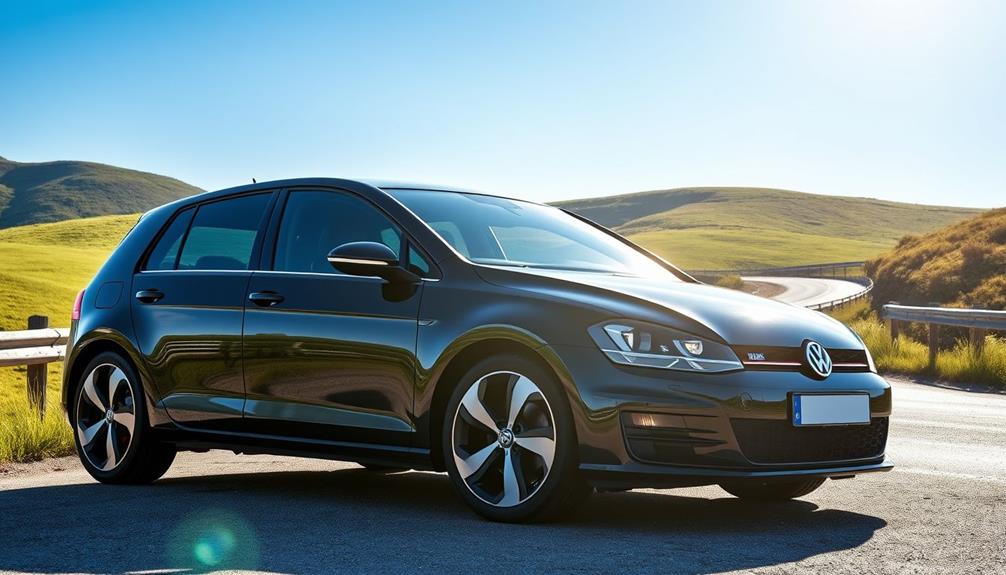
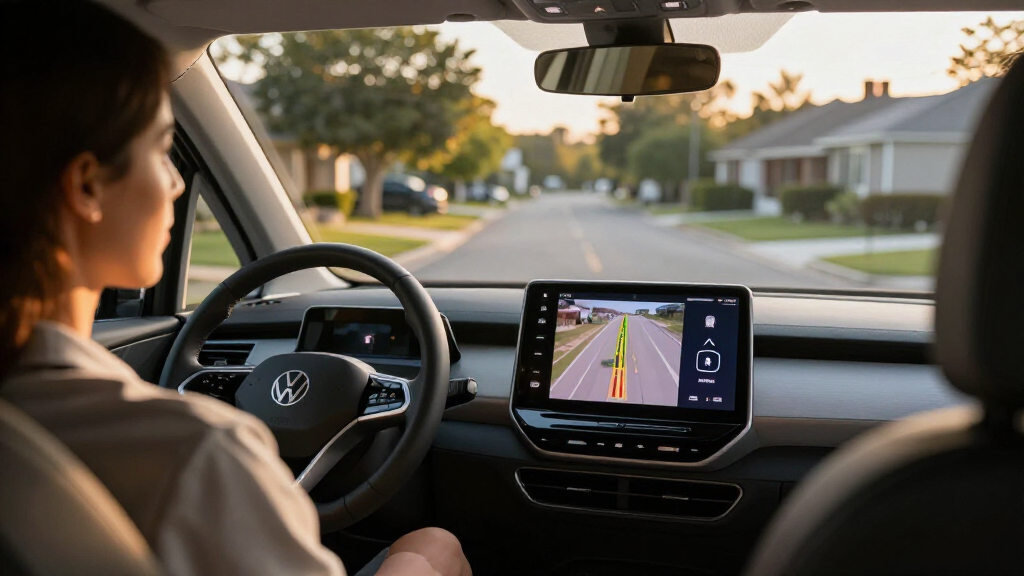
Volkswagen has confirmed that the upcoming ID.Buzz electric van will include assisted lane change and pedestrian detection features. These safety enhancements aim to improve driving safety and convenience. Details are still emerging about the rollout timeline.
Volkswagen has confirmed that the ID.Buzz electric van will soon feature assisted lane changes and pedestrian detection as part of its driver assistance package. This development signals a notable step forward in the vehicle’s safety and automation capabilities, aiming to enhance driver convenience and pedestrian safety. The features are expected to be integrated into upcoming models, although specific timing has not yet been disclosed.
The ID.Buzz will be equipped with advanced driver assistance features, including assisted lane change and pedestrian detection, according to Volkswagen’s recent statements. These features are designed to help drivers navigate more safely by automatically assisting with lane changes when appropriate and alerting or even braking for pedestrians detected in the vehicle’s path. The announcement aligns with Volkswagen’s broader strategy to expand its electric vehicle lineup with enhanced safety technology, competing with other automakers investing heavily in autonomous and semi-autonomous driving features.
Volkswagen did not specify the exact timeline for the deployment of these features but indicated that they will be part of future software updates or model releases. The company emphasized that these driver assistance systems are intended to improve safety, particularly in urban environments where pedestrian activity is high, and complex lane maneuvers are common. Industry analysts see this move as part of a broader trend among automakers to integrate more sophisticated safety features into electric vehicles, which often serve as platforms for new technology testing and deployment.
Enhanced Safety Features Signal VW’s Commitment to Automation
The addition of assisted lane change and pedestrian detection to the ID.Buzz represents a significant step in Volkswagen’s push toward increased vehicle automation and safety. These features can help reduce accidents caused by driver distraction or misjudgment, especially in busy urban settings. As electric vans like the ID.Buzz become more popular, equipping them with advanced driver assistance systems (ADAS) could influence industry standards and consumer expectations. This move also positions Volkswagen competitively amid rising demand for safer, smarter electric vehicles, and could accelerate the adoption of semi-autonomous driving features across its lineup.
Moreover, integrating these capabilities into a vehicle like the ID.Buzz, which has a broad appeal for families and commercial users, underscores a shift toward prioritizing safety in electric mobility. If successful, these features could pave the way for more automation in commercial and passenger EVs, potentially reducing pedestrian injuries and improving traffic flow. However, the actual impact will depend on how effectively these systems perform in real-world conditions and regulatory acceptance.
assisted lane change system for cars
As an affiliate, we earn on qualifying purchases.
As an affiliate, we earn on qualifying purchases.
Volkswagen’s Safety Tech Development in Electric Vehicles
Volkswagen has been steadily expanding its electric vehicle offerings, with the ID.Buzz representing a flagship model aimed at combining classic design with modern electric and safety technology. The company has previously announced plans to incorporate more sophisticated driver assistance features across its EV lineup, aligning with industry trends toward automation. The trend toward including assisted lane change and pedestrian detection has gained momentum as automakers seek to meet regulatory standards and consumer demand for safer vehicles.
While specific details about the ID.Buzz’s new features have not been officially released, industry sources and trend signals suggest that automakers are increasingly prioritizing pedestrian safety and lane assistance as part of their ADAS offerings. The timing of this development appears to be in line with broader industry efforts to improve vehicle safety systems, especially as governments push for stricter pedestrian protection laws and autonomous vehicle regulations. The trend is also fueled by rising search interest and coverage, indicating growing public and industry focus on these safety technologies.
Details on Deployment and Performance Are Still Unclear
While Volkswagen has announced the inclusion of assisted lane change and pedestrian detection, specific details about the timing of rollout, regional availability, and the exact capabilities of these systems remain undisclosed. It is also unclear how these features will perform in different driving conditions or how they will be regulated by authorities. Industry sources suggest that further updates or demonstrations may be forthcoming, but no official timelines have been provided.
Upcoming VW Model Updates and Feature Rollouts
Volkswagen is expected to announce more detailed timelines for the deployment of these features in the coming months. The company may also showcase the capabilities through demonstrations or software updates, especially as regulatory bodies finalize standards for pedestrian detection and assisted lane change systems. Consumers and fleet operators should watch for official communications regarding availability and compatibility with existing models. Industry analysts anticipate that these features will become standard in the ID.Buzz and other VW electric models within the next year or two.
Key Questions
When will the ID.Buzz get assisted lane change and pedestrian detection?
Volkswagen has not provided an exact date, but these features are expected to be introduced in upcoming model updates or software releases within the next year or two.
Are these features standard or optional?
It is not yet confirmed whether the assisted lane change and pedestrian detection will be standard or optional, but industry trends suggest they may initially be offered as part of higher trim levels or packages.
Will these features work in all driving conditions?
Details about the performance of these systems in various conditions are still emerging. Typically, such features are optimized for urban and highway environments but may have limitations in complex or adverse weather conditions.
How do assisted lane change and pedestrian detection improve safety?
Assisted lane change helps prevent accidents caused by lane drifting, while pedestrian detection alerts drivers or automatically brakes when pedestrians are detected in the vehicle’s path, reducing the risk of collisions.
Source: rss
Fall Picks
fall essentials
As an affiliate, we earn on qualifying purchases.