TL;DR

Get business pricing on garage and car supplies
- Business-only prices and quantity discounts
- Tax-exempt purchasing
- Multiple users, one account, clear invoices
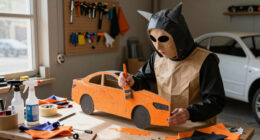
Car-themed Halloween costumes range from simple cardboard cars to elaborate, interactive designs. They’re popular for their visual impact and versatility, with safety, comfort, and originality key to a successful costume.
Imagine a sea of costumes at a neighborhood block party. Among the usual witches, superheroes, and animals, a bright red hot rod zips past—an instant crowd favorite. Car-themed costumes aren’t just eye-catching; they’re a chance to showcase your creativity and love for vehicles.
If you’re thinking about transforming into a race car, a classic muscle car, or even a traffic sign, you’re in good company. These costumes hit the sweet spot between recognizable and fun, offering endless ways to personalize and craft your perfect look. Whether you prefer a quick DIY project or want something impressive yet simple, this guide will steer you right.
Corrugated cardboard is the most practical and versatile material for DIY car costumes, balancing cost, weight, and ease of decoration.
Prioritize safety by using reflective tape, LED lights, and lightweight materials to prevent accidents and ensure visibility.
Design for accessibility—especially for wheelchair or mobility device users—by building lightweight, attachable shells that keep controls accessible.
Keep construction simple with clear steps: measure, build, decorate, and test. Don’t overcomplicate—simplicity often leads to the best results.
Stay on top of trends like interactive lighting and eco-friendly materials to make your costume stand out and be responsible.
What Makes a Car Costume Stand Out and Why It Matters
A great car costume combines vivid colors, simple shapes, and clever details. Think about the shiny paint, racing stripes, headlights, or a license plate. These visual cues instantly tell people what you’re dressed as, even from a distance.
But beyond visual appeal, understanding why these elements matter helps you craft a more effective costume. Bright colors and bold patterns catch the eye and make your costume recognizable from afar, which is especially important in crowded settings. Details like headlights and license plates add authenticity, making your costume more immersive and fun for both you and viewers.
For example, a child dressed as a vintage convertible with a bright blue body, white interior, and a little cardboard steering wheel will immediately be recognized. The key is balance—your costume should be eye-catching but also comfortable and safe to wear. Remember, it’s about creating a look that’s both fun and functional, especially if you plan to walk around for hours.
According to safety experts, costumes that are too heavy, bulky, or obscure your vision can cause accidents. So, choosing lightweight materials and ensuring clear sightlines isn’t just practical—it’s vital for a safe Halloween. The tradeoff often comes between realism and safety; prioritizing lightweight, breathable materials may slightly reduce the realism but significantly enhance safety and comfort, which should always come first.
As an affiliate, we earn on qualifying purchases.
The Top 5 Car Costume Ideas That Turn Heads
Some ideas never go out of style—and they’re easy to pull off with a little DIY magic or a quick shop visit. Here are the most popular and recognizable options for all ages:
- Race Car and Driver Duo: Bright reds, blues, or yellows with racing numbers and sponsor logos. Add a helmet for the driver and a cardboard car for the car.
- Classic Hot Rod or Muscle Car: Think glossy black or cherry red with shiny chrome details, faux exhaust pipes, and big wheels.
- Emergency Vehicles: Police cars, fire trucks, or ambulances. Use reflective tape, siren sounds, and bright colors for instant recognition.
- Famous Vehicles and Characters: Lightning McQueen from Cars, the Batmobile, or the DeLorean from Back to the Future. These are instantly recognizable and loved.
- Simple Cardboard Boxes: For kids or last-minute costumes, a box painted like a car, with wheels and windows, works wonders.
These ideas are flexible. Customize with decals, paint, or accessories to match your favorite vehicle or personality. The key to success with these ideas is understanding what makes each vehicle iconic—whether it’s the sleek lines of a sports car or the distinctive features of a cartoon character—and emphasizing those traits in your costume to maximize recognition and impact.
How to Build a Wearable Car Costume in 10 Easy Steps
- Measure the wearer: Shoulder width, height, and walking stride matter for comfort and fit. Proper measurements help prevent the costume from being too tight or loose, which can cause discomfort or safety issues.
- Pick your materials: Corrugated cardboard is best for balance of weight and durability. Foam board works for cleaner edges. Consider how the material affects mobility and ventilation—heavier or rigid materials may look authentic but can hinder movement or cause fatigue.
- Construct a box shell: Use tape and glue to form a lightweight rectangle or car shape with enough space for the torso. Ensuring the structure is sturdy yet lightweight minimizes fatigue and reduces risk of collapse or injury.
- Cut openings: Leave large enough holes for easy movement and good visibility. Properly sized openings prevent accidents caused by tripping or limited sightlines, which are common hazards in costume construction.
- Add straps: Attach wide, adjustable shoulder straps using strong tape or Velcro. Well-fitted straps distribute weight evenly, preventing strain and ensuring the costume stays securely in place during movement.
- Attach wheels and details: Use painted circles for wheels, add a grille, headlights, or racing stripes. Adding these details enhances realism, but tradeoffs include increased weight or complexity—balance detail with practicality.
- Paint and decorate: Use water-based, non-toxic paint. Add decals, logos, or numbers for extra flair. Consider how paint affects weight and drying time, planning accordingly to avoid delays or damage during wear.
- Install safety features: Incorporate reflective tape, glow-in-the-dark elements, or LED headlights. These features increase visibility and safety but may require power sources or wiring—plan for easy access and quick removal.
- Test your costume: Walk around, check visibility, and ensure it can come off quickly in an emergency. Testing helps identify potential hazards or discomforts, allowing adjustments to ensure both safety and fun.
This step-by-step approach emphasizes balancing realism with safety and comfort. While detailed, each step considers the tradeoffs involved—heavier details look great but can hinder movement; elaborate decorations add authenticity but may increase risk. The goal is a costume that looks impressive yet remains safe and wearable for hours.
Safety Tips Every Car Costume Maker Must Know
Safety isn’t optional; it’s the foundation of a successful costume. Here’s what to keep in mind:
- Visibility: Use reflective tape and lights to keep you seen in dark streets. Never obscure your eyes or face. Enhanced visibility reduces the risk of accidents, especially in poorly lit areas, but choosing the right placement of lights and reflective materials ensures they’re effective without creating distractions or hazards.
- Weight and balance: Keep the costume light enough to walk comfortably. Distribute weight evenly to prevent tipping. Heavy or poorly balanced costumes can cause falls or strain, so consider the tradeoff between detailed decorations and comfort—sometimes simplicity ensures safety.
- Weatherproofing: Seal cardboard with waterproof spray or plastic overlays. Rain can ruin even the best DIY costumes, and water damage can compromise structural integrity, leading to potential safety hazards. Proper sealing extends the lifespan of your costume and maintains its safety features.
- Quick removal: Use easily detachable straps and simple fasteners. Be prepared to peel out of your costume quickly if needed. Quick-release features are crucial during emergencies to prevent entrapment or injury, especially if the costume is bulky or complex.
- Avoid hazards: Skip sharp edges, exposed wires, or open flames. Choose battery-powered LEDs over candles or wired lights. These precautions prevent cuts, electrical hazards, or fire risks, which are critical considerations in costume safety planning.
For example, a child’s cardboard police car with flashing LEDs and reflective strips ensures they stay safe while trick-or-treating. Incorporating safety gear, like a bright vest or glow sticks, complements your costume and significantly reduces accident risks. Remember, the best costume is one that’s not only eye-catching but also prioritizes safety at every step.
Making a Car Costume for Wheelchair or Mobility Device Users
Transforming a wheelchair into a car is totally doable—and a fantastic way to include everyone. The goal? Keep access, safety, and fun in balance.
Start by measuring the wheelchair’s dimensions: length, width, and height. Build a lightweight shell from corrugated plastic or foam that attaches securely without blocking access to controls or brakes. Decorate with paint, decals, and even faux headlights. Use Velcro or magnets to attach details, so they’re removable or adjustable.
For example, a family built a mini race car around a wheelchair for a child. They added a foam body painted like Lightning McQueen, with a faux spoiler and racing number. It was lightweight, safe, and still allowed easy mobility and access to controls.
Remember: Safety, accessibility, and comfort come first. Keep wiring and lights simple, and test the setup thoroughly before the big night. Consider how the modifications impact maneuverability and ensure nothing obstructs vital controls or safety features—this ensures the costume remains functional and safe for the user.
Trends That Are Making Car Costumes Even Cooler in 2024
Every year, new trends turn simple car costumes into showstoppers. Here’s what’s hot for 2024:
- Interactive lighting: Battery-powered LEDs with turn signals, headlights, and dashboards that light up or even change colors. These features add a wow factor and improve safety by increasing visibility, but they require power sources and proper wiring—balancing visual appeal with practicality is key.
- Sustainable materials: Recycled plastics, fabric scraps, and removable decorations cut down on waste and make costumes more eco-friendly. Choosing sustainable options often involves tradeoffs like durability versus environmental impact, but they demonstrate responsibility while still allowing creativity.
- Electric vehicle themes: Designs featuring charging stations, battery meters, or “low battery” jokes resonate with modern trends. These themes make your costume relevant and fun but may require additional details or tech integration that increases complexity.
- Modular builds: Flat-pack panels, foldable spoilers, and detachable wheels make storage and transport easier. Modular designs offer flexibility but may sacrifice some realism or detail for ease of assembly and convenience.
- Social media-ready: Spinning wheels, animated features, and group builds designed to wow in photos and videos. These trends emphasize visual impact, but often require extra components or tech, which can increase cost and setup time.
Take the example of a family that built a modular rally car with spinning wheels and LED dashboard. It looked fantastic in daylight and dazzled under streetlights, making their Halloween post go viral. Such innovations show how blending technology and creativity can elevate your costume, but always weigh the added complexity against your skill level and resources.
Frequently Asked Questions
What’s the easiest car-themed costume to make for kids?
A simple cardboard box painted like a car with attached wheels and windows is quick, fun, and safe. You can add details like headlights using glow-in-the-dark stickers or LED lights for extra flair.
How do I keep a cardboard car costume weatherproof?
Seal the cardboard with waterproof spray or cover it with clear plastic sheets. Avoid heavy rain, but these steps help protect your costume from moisture and keep it looking fresh all night.
Can I make a costume that’s comfortable to wear all night?
Yes. Use lightweight materials, ensure good ventilation, and add adjustable straps. Test your costume by walking around for a few minutes—comfort is key to enjoying the night.
How do I make a wheelchair into a car costume without blocking access?
Build a lightweight shell that attaches to the wheelchair with Velcro or magnets. Keep controls, brakes, and safety straps accessible, and focus on a design that’s easy to remove or adjust. Consider how modifications impact maneuverability, ensuring the user can still operate controls comfortably and safely.
Are inflatable car costumes worth considering?
Inflatable costumes are lightweight and eye-catching, but they can be noisy and bulky in crowds. They’re great for quick setups and dramatic effects but may require batteries and careful handling. Weigh the convenience against potential issues like overheating or restricted movement.
Conclusion
Car-themed costumes aren’t just about turning heads—they’re about creating a safe, fun, and memorable experience. Whether you craft a sleek race car or a playful cardboard box convertible, remember: safety, comfort, and creativity go hand in hand.
So, pick your favorite vehicle, gather your materials, and hit the road for Halloween. The best costume is the one that makes you smile, feels good to wear, and gets everyone talking long after the night ends.
Fall Picks
fall essentials
As an affiliate, we earn on qualifying purchases.