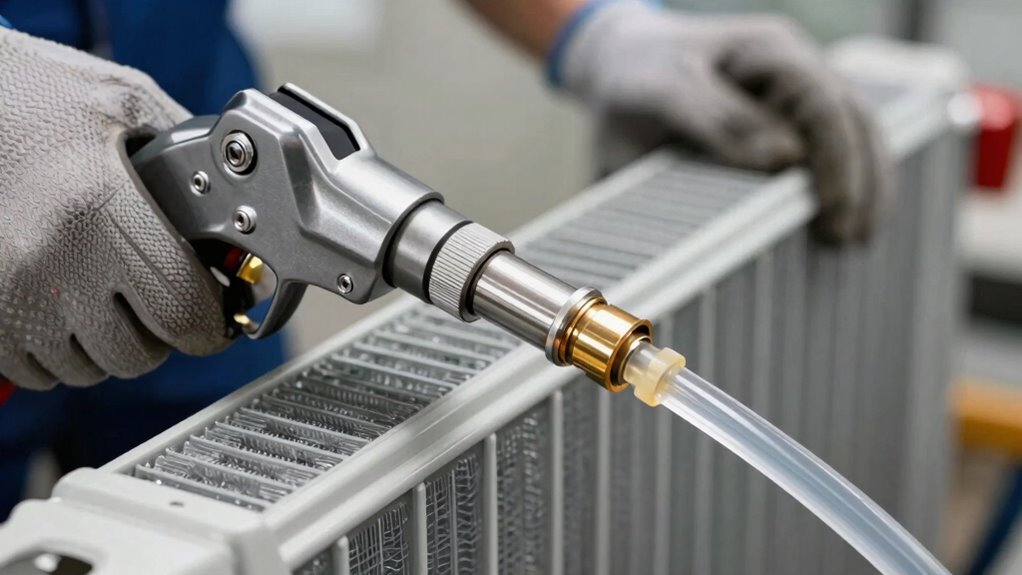

As a new DIYer, you might miss how a coolant vacuum refill tool can save you time and reduce mess. It quickly evacuates air from your cooling system, preventing over- or underfilling and ensuring even coolant circulation. This makes the process cleaner, more precise, and less frustrating. Plus, it helps prevent engine overheating and long-term damage. If you want a smoother, safer way to handle coolant refills, there’s more to discover that can make a real difference.
Play games included with Prime
Start a Prime free trial and play with Amazon Luna on your devices.
As an affiliate, we earn on qualifying purchases.
Key Takeaways
- It quickly evacuates air, ensuring a more thorough and reliable coolant refill process.
- It reduces mess and spills, making maintenance cleaner and safer for DIYers.
- It prevents overfilling or underfilling, maintaining proper coolant levels accurately.
- It promotes proper venting, preventing air pockets that can cause engine overheating.
- It shortens maintenance time, allowing DIYers to complete repairs efficiently.
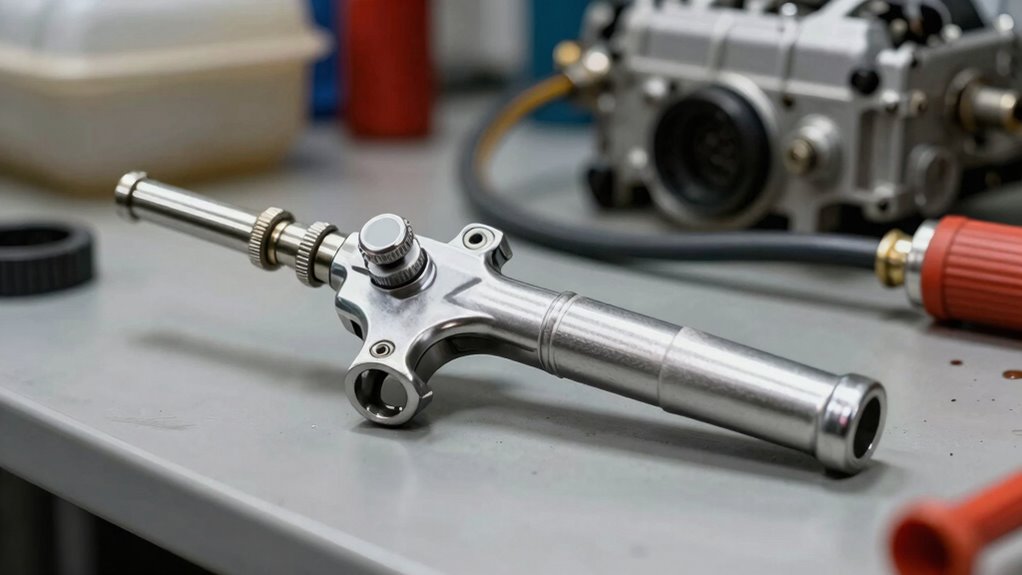
Using a coolant vacuum refill tool offers notable advantages for vehicle maintenance, making the process faster and more efficient. When you’re refilling your vehicle’s cooling system, maintaining proper engine temperature is essential. The tool helps eliminate air pockets that can cause the engine to overheat or run inefficiently. By creating a vacuum, it pulls out trapped air and ensures the coolant circulates evenly. This not only preserves engine health but also prevents costly repairs down the line. Many DIYers overlook how much easier and more precise this method is compared to traditional pouring and topping off, especially when working with complex cooling systems.
Using a coolant vacuum refill tool makes refilling your cooling system faster, cleaner, and more precise.
One of the key benefits of using this tool is the reduction in time spent on the refill process. Without it, you often have to repeatedly start and stop the engine to check for air pockets, which can be tedious and imprecise. The vacuum system streamlines the process by evacuating air quickly, making it straightforward to add coolant afterward. You’ll find that your overall maintenance time decreases considerably, giving you more time for other repairs or upgrades. Plus, because the process is cleaner and less messy, you avoid spills and waste, which can sometimes happen with manual refills. Additionally, understanding the importance of proper venting can help prevent coolant system issues down the road. Implementing proper coolant system venting techniques can further improve the efficiency of your cooling system and extend its lifespan. Proper venting also reduces the likelihood of air pockets forming during future refills, enhancing long-term reliability.
Furthermore, utilizing a vacuum refill tool can assist in maintaining a consistent coolant pressure, which is crucial for the overall cooling system performance. Properly filled and vented cooling systems keep your engine at ideal operating temperatures, avoiding overheating or undercooling issues. These tools also promote safety by minimizing the risk of coolant spills and reducing the chance of introducing air pockets that could cause engine problems. For new DIYers, recognizing these advantages is important, as it encourages safer, more effective maintenance practices. Investing in a coolant vacuum refill tool is a smart move that simplifies the refill process, saves time, and helps keep your engine running smoothly and safely.
As an affiliate, we earn on qualifying purchases.
Frequently Asked Questions
Can the Coolant Vacuum Refill Tool Be Used on All Vehicle Types?
The coolant vacuum refill tool isn’t compatible with all vehicle types. You need to account for tool compatibility and vehicle limitations before using it. Some vehicles have unique cooling systems or configurations that require different tools or methods. Always check your vehicle’s manual and confirm that the tool suits your specific make and model. Using the wrong tool can lead to improper cooling system refilling or potential damage.
How Long Does It Take to Refill the Coolant Using This Tool?
Refilling coolant with this tool takes about 10 to 15 minutes, depending on your vehicle’s coolant capacity and the refill speed of the tool. You’ll notice the process is faster than manual pouring, especially since it creates a vacuum that pulls in the coolant efficiently. Keep an eye on the coolant level to make sure you don’t overfill, and always follow your vehicle’s specifications for best results.
Is Special Training Required to Operate the Vacuum Refill Tool?
Using the vacuum refill tool is like riding a bike—you pick it up quickly. You don’t need special operator training, as long as you follow the instructions carefully. Just make certain the equipment is compatible with your vehicle, and you’ll find operating it straightforward. Most DIYers can manage it with minimal practice, making it a user-friendly option for refilling coolant efficiently without requiring extensive training.
What Safety Precautions Should I Follow During Use?
When using the coolant vacuum refill tool, you should always wear personal protective gear like gloves and safety glasses to protect your skin and eyes. Make certain you work in an area with proper ventilation to avoid inhaling any fumes or vapors. Follow the manufacturer’s instructions carefully, and double-check connections before starting. Staying cautious helps prevent accidents, and maintaining safety precautions keeps your DIY project safe and effective.
Can I Reuse the Coolant After Vacuum Refilling?
You shouldn’t reuse coolant after vacuum refilling if it’s contaminated, as coolant contamination can cause engine issues. Instead, follow proper recycling procedures to dispose of old coolant safely. Always check for signs of contamination, like sediment or discoloration, before considering reuse, but it’s safer to replace it altogether. Recycling procedures ensure environmental safety and peak engine performance, so don’t cut corners—dispose of or replace coolant responsibly.
Conclusion
While traditional methods may seem simpler, skipping the coolant vacuum refill tool often costs you time and frustration. Without it, you risk air pockets and uneven cooling, which can lead to costly engine damage. Yet, with this tool, you gain precision and peace of mind, transforming a messy, guesswork process into a straightforward task. Sometimes, the modern solution isn’t just a convenience—it’s the difference between a quick fix and a costly mistake.
NFL season / tailgating Picks
team gear
As an affiliate, we earn on qualifying purchases.