
Choosing a racing seat requires more than just picking any bolt-in model; it’s about ensuring safety, comfort, and ideal performance. Proper planning helps you select the right material, secure correct installation, and meet safety standards. Rushing into a quick purchase can lead to safety risks and discomfort during races. If you want to understand how to make smarter, safer choices that enhance your racing experience, there’s more to take into account for your setup’s success.

Get garage and car supplies delivered free — and shop member deals
- Fast, free delivery on millions of items
- Access to Prime Big Deal Days deals on October 6–7
- Prime Video, Amazon Music and more included
Key Takeaways
- Proper planning ensures seat safety, comfort, and compatibility, reducing risks during high-stress racing conditions.
- Selecting the right materials affects safety, durability, and performance, not just initial fitment.
- Correct installation is crucial to prevent seat failure and ensure compliance with safety standards.
- Understanding testing standards guarantees the seat can withstand race impacts and meet regulatory requirements.
- Thoughtful planning enhances overall racing performance and minimizes long-term discomfort or safety issues.
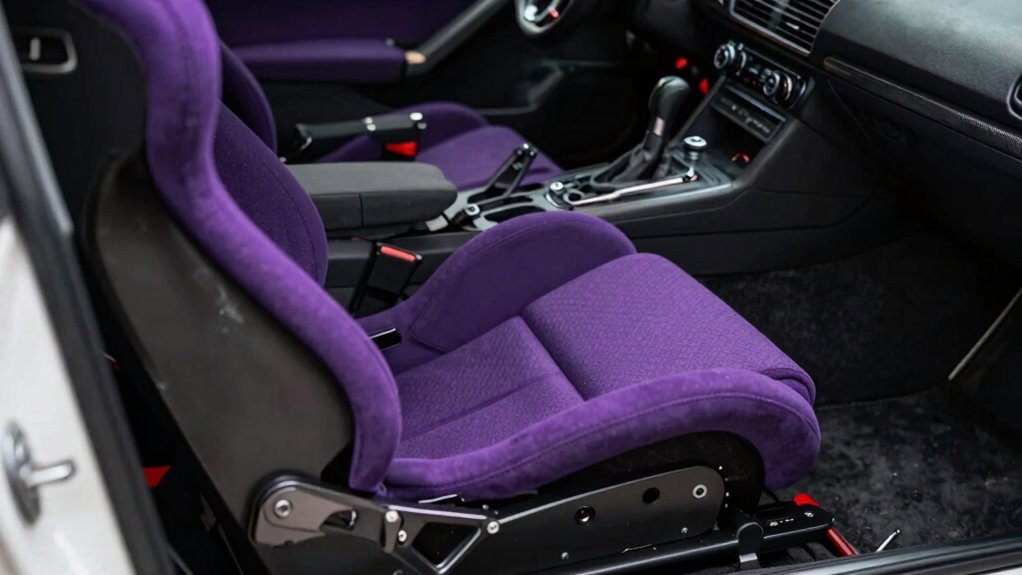
Have you ever wondered how to choose the perfect racing seat for your setup? It’s not just about picking a seat that looks good or fits your budget; it’s about understanding the importance of thoughtful planning. When it comes to racing seats, a simple bolt-in purchase may seem convenient, but it’s rarely enough to guarantee safety, comfort, and performance. Proper planning involves more than just securing a seat into your vehicle—it’s about selecting the right seat material, confirming installation safety, and considering how all these aspects work together to give you maximum results during races.
Choosing the right racing seat requires careful planning for safety, comfort, and performance.
The seat material plays a critical role in your racing experience. Different materials offer varying levels of comfort, durability, and weight. For example, fiberglass seats are lightweight and affordable but may lack the flexibility and comfort of carbon fiber options, which are more durable and lighter but come at a higher cost. Vinyl or suede covers can add comfort and grip, especially during intense driving sessions. Choosing the right seat material isn’t just about aesthetics; it directly impacts your safety and performance. A seat made with high-quality, FIA-approved materials can withstand impacts better and provide better support during sharp turns or collisions. Knowing what material suits your racing style and safety requirements helps you avoid future discomfort or unsafe compromises. Additionally, understanding seat materials helps ensure your investment aligns with safety standards and durability needs. Considering installation safety is equally important to prevent accidents caused by improper mounting or fitment issues. Furthermore, selecting the correct testing standards for racing seats can help ensure your equipment meets necessary safety requirements and performs reliably under race conditions. Ensuring that your seat meets safety standards is essential for compliance and peace of mind during competition.
As an affiliate, we earn on qualifying purchases.
Frequently Asked Questions
How Do Racing Seats Affect Overall Vehicle Safety?
Racing seats markedly impact your vehicle’s safety by providing better support and reducing movement during sharp turns or crashes. The seat material, such as fire-resistant fabrics, adds extra protection, while proper mounting brackets ensure the seat stays securely in place. If you overlook these factors, the seat might not perform effectively in a crash, risking injury. Proper planning guarantees your racing seat enhances safety and offers ideal support during high-stress situations.
What Are the Long-Term Comfort Considerations?
You need to ensure long-term comfort by focusing on ergonomic design and cushioning material. An ergonomic seat supports your body properly during extended use, reducing fatigue and discomfort. The cushioning material should be both supportive and breathable, preventing soreness and overheating. Remember, a well-planned racing seat ensures comfort over time, not just immediate fit. Investing in quality ergonomics and cushioning guarantees you stay comfortable and alert during long sessions or drives.
Can Racing Seats Be Customized for Specific Racing Types?
Absolutely, racing seats can be tailored for specific racing styles, making your experience more personalized. You’ll find a variety of material options like lightweight composites or plush fabrics, depending on your needs. Aesthetic customization lets you match your seat to your car’s theme or your personality. By selecting features suited for rally, drag, or circuit racing, you guarantee comfort and performance, turning your seat into a true extension of your racing passion.
How Do Weight Differences Impact Vehicle Performance?
Weight differences considerably impact your vehicle’s performance by altering weight distribution and handling dynamics. When weight shifts forward or backward, it can affect traction, braking, and cornering stability. Lighter components improve acceleration and agility, while heavier ones may reduce responsiveness. You need to plan carefully, especially when upgrading parts like racing seats, to guarantee proper weight balance, optimize handling dynamics, and maintain overall vehicle performance during races.
Are There Legal Regulations for Racing Seat Installation?
Think of legal regulations for racing seat installation as a shield protecting you on the track. You must guarantee your setup meets legal compliance and installation standards, which vary by region and racing class. Failing to adhere can lead to disqualification or safety hazards. Always check with local authorities and race organizations to verify your seat’s installation complies with safety standards, keeping your focus on racing, not legal troubles.
Conclusion
When choosing a racing seat, don’t just go for the quick bolt-in option. Proper planning guarantees you get the right fit, support, and safety features tailored to your needs. Did you know that improperly fitted seats can increase the risk of injury by up to 40% during a crash? Investing time in research and precise measurements not only enhances your performance but also keeps you safer on the track. So, plan carefully—your safety depends on it.
Fall Picks
fall essentials
As an affiliate, we earn on qualifying purchases.