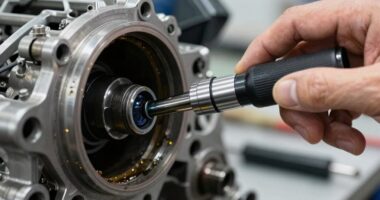
To analyze wear patterns on bushings, tires, and pads together, look for signs of uneven or localized wear, which may indicate misalignment, improper load sharing, or surface degradation. Pay attention to wear direction; aligned wear suggests normal operation, while angled or uneven patches hint at issues like imbalance or fatigue. Spot cracks or flattening that signal material weakening. Recognizing these signs helps diagnose problems early—keep exploring to get a clearer picture of how to interpret these patterns effectively.

Get business pricing on garage and car supplies
- Business-only prices and quantity discounts
- Tax-exempt purchasing
- Multiple users, one account, clear invoices
Key Takeaways
- Compare wear shapes and distribution across all components to identify uneven stress or misalignment.
- Analyze wear directionality to determine if components are experiencing normal or abnormal forces.
- Look for localized or irregular wear patches indicating surface fatigue or degradation.
- Assess surface smoothness and depth of wear to gauge component health and potential failure points.
- Consider material-specific wear behaviors to accurately interpret combined wear patterns.

Understanding wear patterns is essential for diagnosing issues with machinery or footwear, as they reveal how surfaces interact under stress. When you examine the wear on bushings, tires, and pads, you’re essentially reading a story about surface degradation and material fatigue. Recognizing these signs helps you determine whether components are wearing evenly or if specific areas are suffering from excessive stress. For example, uneven wear on tires might signal misalignment or improper inflation, leading to uneven surface degradation. Similarly, abnormal wear on bushings can point to compromised material integrity, indicating that fatigue has set in, weakening the component’s ability to absorb shock or handle load.
As you look at these wear patterns, focus on the shape and distribution of the wear. Smooth, consistent wear suggests that the material has endured stress evenly, indicating healthy operation. Conversely, localized or irregular wear patches often reveal areas where surface degradation is more advanced. For instance, deep gouges or excessive flattening on a tire’s tread can be signs of prolonged friction and stress concentration, which accelerate material fatigue. On bushings or pads, cracks or crumbling edges are clear indicators that the material has undergone fatigue, losing its resilience and becoming more prone to failure. It’s also important to consider the material composition of the components, as different materials will wear differently under similar conditions. Additionally, observing the wear pattern distribution can help you identify underlying issues like improper installation or uneven load sharing.
Pay attention to the direction of wear as well. Wear aligned with the rotation or movement indicates normal operation, but if you see wear patterns that are angled or inconsistent, it may suggest misalignment or improper load distribution. These issues can cause uneven surface degradation, contributing to faster fatigue in certain spots. When inspecting pads or bushings, if wear is mostly on one side, it could be a sign of imbalance or improper installation, which accelerates both surface degradation and fatigue. Additionally, understanding wear patterns can help you predict when maintenance is needed to prevent component failure. Recognizing the signs of fatigue early allows for timely repairs, reducing the risk of sudden breakdowns and costly repairs. Being familiar with the typical wear behaviors of different materials enhances your ability to interpret these signs accurately.
tire wear pattern analysis tools
As an affiliate, we earn on qualifying purchases.
As an affiliate, we earn on qualifying purchases.
Frequently Asked Questions
What Tools Are Best for Inspecting Wear Patterns?
You should use a flashlight and a mirror for effective visual inspection, allowing you to see wear patterns clearly. A magnifying glass can enhance detail, ensuring tool accuracy in your assessment. For more precise measurements, consider using a dial indicator or a caliper. These tools help you detect uneven wear or damage on bushings, tires, and pads quickly and accurately, so you can identify issues early and plan necessary repairs.
How Often Should Wear Patterns Be Checked?
You should check wear patterns regularly, ideally during your maintenance schedules, to catch issues early. Depending on your vehicle or equipment, this might mean inspecting every 5,000 to 10,000 miles or every few months. Use wear pattern indicators to help identify uneven or excessive wear. Consistent checks guarantee you catch problems before they become costly repairs, keeping everything running smoothly and extending the life of your bushings, tires, and pads.
Can Wear Patterns Indicate Alignment Issues?
Yes, wear patterns can indicate alignment issues. During misalignment diagnosis, wear pattern analysis reveals uneven or irregular wear on tires, bushings, or pads. If you notice excessive or uneven wear on one side, it suggests your suspension or steering components might be out of alignment. Regularly inspecting these patterns helps catch alignment problems early, preventing further damage and ensuring your vehicle handles correctly and safely.
Are Uneven Wear Patterns Always Caused by Misuse?
Uneven wear patterns aren’t always caused by misuse; they can be like a warning sign flashing unexpectedly. While misuse causes inconsistent wear, other factors like misalignment or underlying issues also play a role. If wear isn’t consistent, it’s a signal that something’s off, but it doesn’t automatically mean you’ve misused the equipment. Keep an eye on wear patterns to catch problems early and maintain proper function.
How Do Environmental Factors Affect Wear Patterns?
Environmental factors considerably influence wear patterns, as they impact how components degrade over time. For example, extreme temperatures can cause uneven expansion or contraction, leading to irregular wear. Moisture and dirt can accelerate corrosion or abrasion, altering wear pattern causes. You should regularly inspect your bushings, tires, and pads for signs of environmental effects, since these factors can mask or mimic misuse, complicating accurate assessment of wear patterns.
Conclusion
By understanding wear patterns on bushings, tires, and pads, you can diagnose issues early and prevent costly repairs. For example, if you notice uneven tire wear along with worn bushings, it might indicate misalignment or suspension problems. Regularly inspecting these components helps you catch problems before they escalate. Staying attentive to these signs guarantees smoother rides and longer-lasting parts, saving you time and money in the long run.
Fall Picks
fall essentials
As an affiliate, we earn on qualifying purchases.