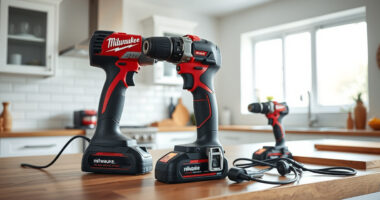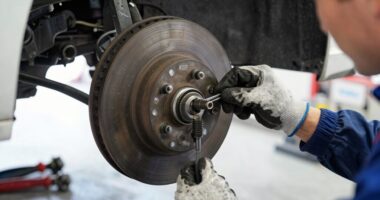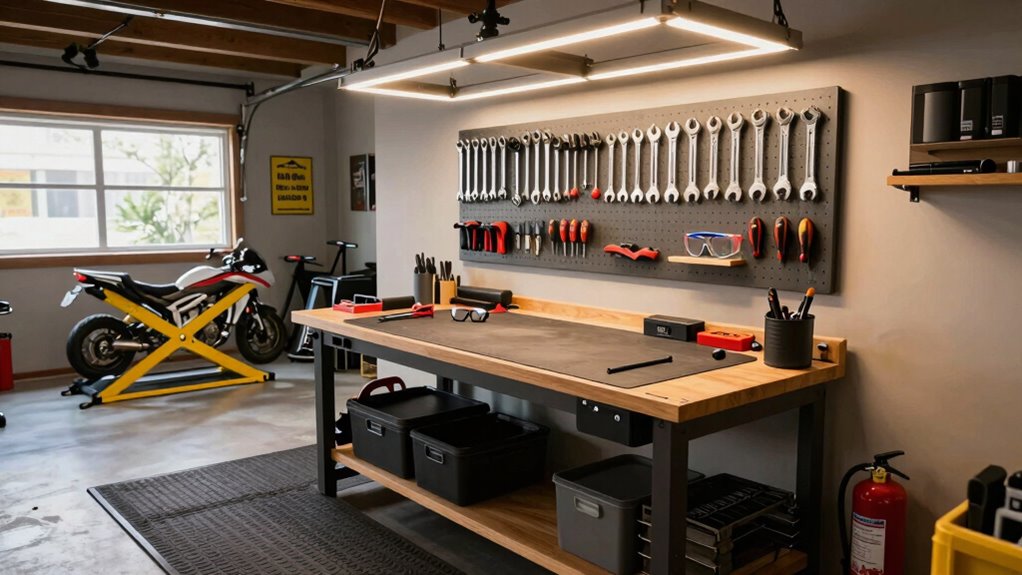

To build a safer DIY tuning workspace at home, organize your area to prevent clutter and guarantee good lighting for visibility. Always wear safety gear like glasses, gloves, and masks, and keep a fire extinguisher nearby. Use grounded electrical outlets and inspect cords regularly to avoid hazards. Keep flammable materials away from heat sources and maintain your workspace free from obstacles. For more tips on creating a secure environment, continue exploring ways to enhance your setup.

Get business pricing on garage and car supplies
- Business-only prices and quantity discounts
- Tax-exempt purchasing
- Multiple users, one account, clear invoices
Key Takeaways
- Organize tools and parts systematically, ensuring clear walkways and well-lit work areas to prevent accidents.
- Wear appropriate safety gear such as goggles, gloves, masks, and steel-toed boots during all tasks.
- Keep fire extinguishers accessible, store flammable materials safely, and maintain proper ventilation to prevent fire hazards.
- Regularly inspect electrical cords, outlets, and equipment to avoid shocks, short circuits, and electrical fires.
- Follow safety protocols, maintain cleanliness, and keep a first aid kit nearby for quick response to injuries.
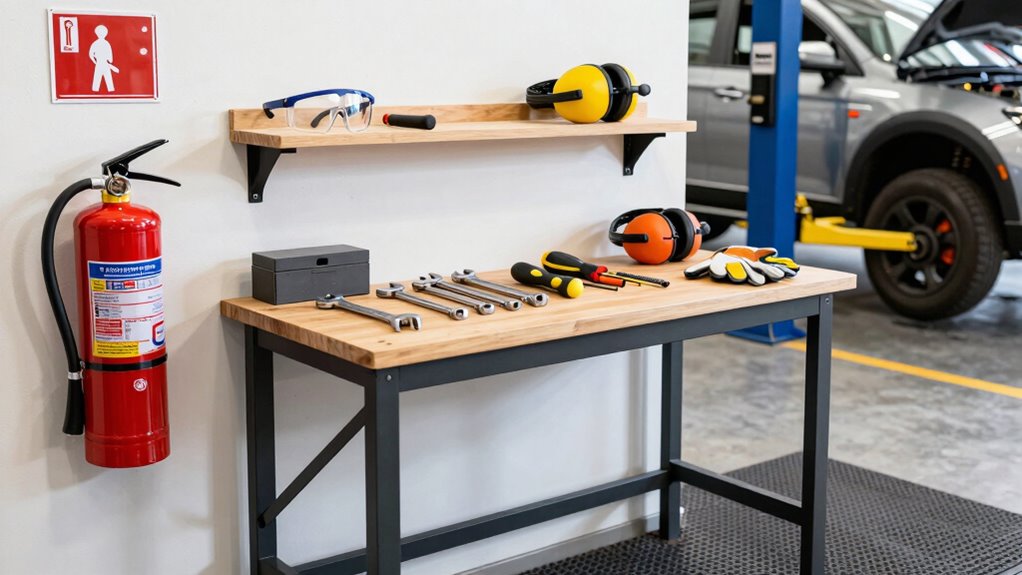
Creating a safe DIY tuning workspace is essential to prevent accidents and protect yourself while working on vehicles. The first step is to establish a well-organized area that minimizes clutter, as loose tools or parts can cause trips or falls. Keep your workbench clear and store tools properly when not in use. Good lighting is also crucial; bright, focused illumination helps you see small parts and avoid mistakes that could lead to injury.
A tidy, well-lit workspace minimizes hazards and keeps you safe while working on vehicles.
One of the most important aspects of safety is wearing the right safety gear. Always equip yourself with safety glasses to shield your eyes from debris, sparks, or chemical splashes. Gloves protect your hands from cuts, burns, and harmful chemicals, especially when handling sharp tools or hot components. A dust mask or respirator is essential if you work with fumes, dust, or chemicals, to prevent inhalation of harmful substances. Wearing ear protection when operating loud equipment prevents hearing damage, and steel-toed boots safeguard your feet from falling objects or heavy tools.
Fire hazards are a serious concern in any workspace where you work on vehicles. Fuel spills, electrical sparks, and hot surfaces can ignite fires if not properly managed. To minimize this risk, keep a fire extinguisher nearby—preferably a Class B extinguisher suitable for flammable liquids—and ensure it’s in good working order. Avoid storing flammable materials like gasoline, oil, or cleaning solvents near hot engines or electrical equipment. Always work in a well-ventilated area to prevent the buildup of flammable fumes, and never smoke or use open flames in your workspace. Ensuring proper fire safety measures is key to preventing potential disasters. Additionally, having proper fire prevention protocols can further reduce risks. Regularly checking your fire safety equipment ensures it functions correctly in case of an emergency. Incorporating fire-resistant materials into your workspace design can also provide added protection against accidental fires.
Electrical safety is also indispensable. Use grounded outlets and avoid overloading circuits. Inspect electrical cords for damage before use, and keep them away from water or oil spills. When working with electrical components, disconnect the vehicle’s battery to prevent sparks or shocks. Properly grounding your work area reduces static buildup, which can ignite fuel vapors or cause electrical fires. Additionally, ensuring that your workspace has proper electrical wiring helps prevent accidental overloads and short circuits.
Finally, establish safety protocols for yourself and others who might work in your space. Never rush through tasks—take your time to follow proper procedures. Keep a first aid kit accessible, and familiarize yourself with basic first aid procedures. Regularly inspect your workspace for potential hazards, and maintain a clean, clutter-free environment. By prioritizing safety gear and diligently managing fire hazards, you create a safer, more effective DIY tuning workspace that allows you to focus on your work without unnecessary risks.
Frequently Asked Questions
What Tools Are Essential for a Safe DIY Tuning Workspace?
You need crucial tools like screwdrivers, wrenches, and pliers for safe DIY tuning. Keep your equipment well-maintained to prevent accidents, and prioritize workspace organization to avoid clutter and hazards. A sturdy workbench, proper lighting, and safety gear like gloves and goggles are also essential. Regularly inspect your tools, clean your workspace, and store everything properly to guarantee safety during tuning projects.
How Can I Prevent Fire Hazards in My Workspace?
To prevent fire hazards, you should use fire-resistant mats under your work areas and keep flammable materials away from heat sources. Install smoke detectors throughout your workspace to alert you early in case of smoke or fire. Regularly check and maintain these detectors, and guarantee your workspace has a clear escape route. These precautions help you stay safe while working on your tuning projects.
What Safety Gear Should I Always Wear?
You should always wear protective clothing, safety goggles, and gloves to shield yourself from sparks, chemicals, and debris. Ear protection is essential for noisy tools, and a dust mask keeps inhaling harmful particles at bay. Keep an emergency kit nearby, stocked with first aid supplies and fire extinguishers. Wearing the right safety gear not only protects you but also keeps your workspace safe and ready for any unexpected incidents.
How Do I Dispose of Hazardous Materials Properly?
To properly dispose of hazardous materials, you need to follow local regulations for hazardous waste. Always store hazardous waste in labeled, leak-proof containers away from heat sources. Contact your local waste management or environmental agency for specific disposal guidelines. Never pour hazardous waste down drains or onto the ground, as improper disposal can harm the environment. Proper disposal guarantees safety for you and your community while preventing environmental contamination.
How Can I Ensure Proper Ventilation During Tuning?
You can guarantee proper ventilation during tuning by optimizing airflow with effective ventilation systems. Install exhaust fans or air purifiers equipped with HEPA filters to remove fumes and dust efficiently. Keep windows open whenever possible, and use ducting to direct airflow outside. Regularly maintain and check your ventilation systems to ensure they’re working correctly. Proper airflow optimization reduces harmful exposure, creating a safer and more comfortable workspace for tuning activities.
Conclusion
By taking these safety steps, you create a workspace where accidents are less likely to happen—almost as if safety naturally follows your careful planning. When you prioritize proper ventilation, organized tools, and protective gear, you might find that your focus sharpens, making tuning both safer and more enjoyable. Sometimes, the smallest precautions can unexpectedly make all the difference, turning your DIY space into a haven of craftsmanship and confidence—proof that safety and skill can go hand in hand.
Fall Picks
fall essentials
As an affiliate, we earn on qualifying purchases.