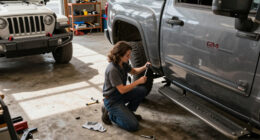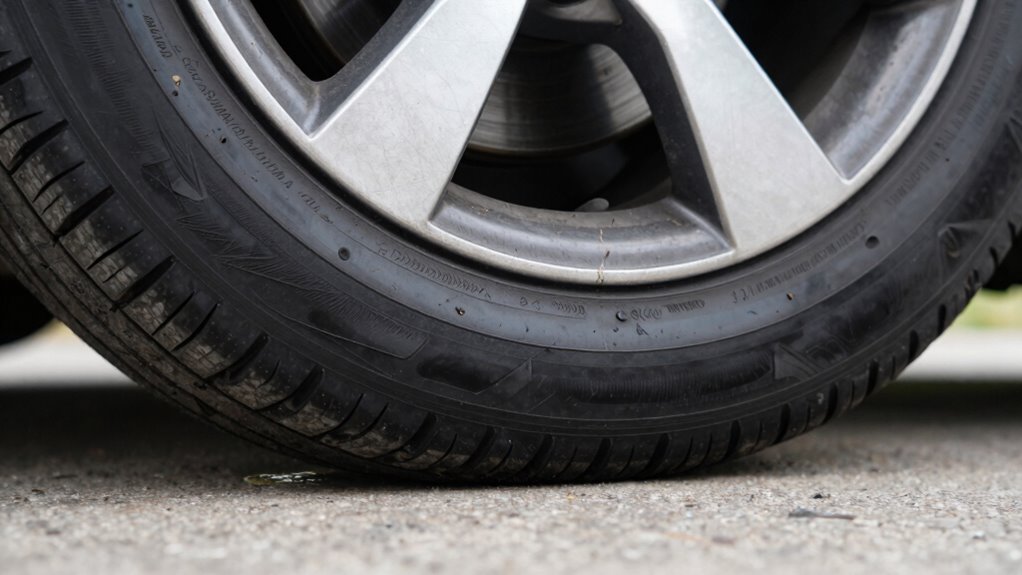

To quickly tell if a used wheel is bent or damaged, start by placing the wheel on a flat, level surface and give it a slow spin by hand. Watch for side-to-side wobbling, which indicates hidden damage. Also, inspect the rim carefully for dents, cracks, or deformities. If the wheel wobbles or shows damage, it’s likely compromised. Keep going for more tips on how to thoroughly assess wheel safety and condition.

Get business pricing on garage and car supplies
- Business-only prices and quantity discounts
- Tax-exempt purchasing
- Multiple users, one account, clear invoices
Key Takeaways
- Spin the wheel on a flat, level surface to check for side-to-side wobbling or uneven rotation.
- Visually inspect the rim for dents, cracks, or deformities around the edge.
- Look for noticeable vibrations or vibrations when the wheel is mounted on the vehicle.
- Check for uneven or excessive brake rotor wear, cracks, or warping during brake system inspection.
- Ensure the wheel is properly balanced; unbalanced wheels can mimic damage symptoms.
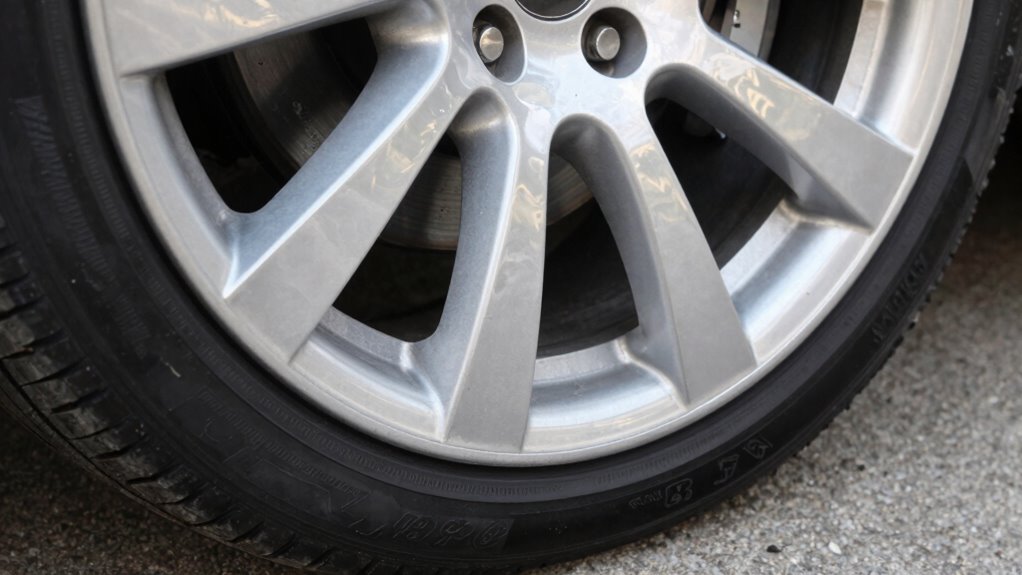
If you suspect a used wheel might be bent or damaged, there’s a quick and effective way to check without needing special tools. First, take your vehicle to a flat, level surface and gently lift it using a jack so that the wheel you’re inspecting is off the ground. Spin the wheel slowly by hand and observe its rotation carefully. If it wobbles side to side or appears uneven, chances are it’s bent or damaged. This visual check is often enough to identify obvious issues, but for a more thorough assessment, you should also consider tire balancing. An unbalanced wheel can cause vibrations that mimic or mask damage, so verify proper tire balancing is essential before concluding the wheel’s condition. If your wheel feels smooth and stable when spinning, it’s a good sign that it’s not bent, but do keep an eye out for other symptoms.
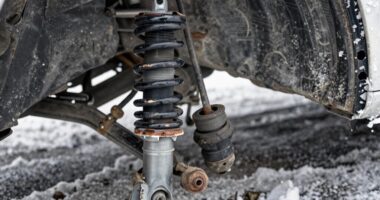
Next, perform a brake inspection while the wheel is off the ground. Check the brake rotor for any uneven wear, cracks, or warping. Warped rotors often result from excessive heat or repeated brake stress, which can also cause the wheel to become damaged or bent over time. If you notice uneven grooves or a shiny, glazed appearance on the rotor surface, it could indicate braking issues that might contribute to wheel damage. This step helps you understand whether the problem might stem from braking system problems rather than the wheel itself. If the brake components look fine but the wheel still wobbles during spinning, it’s likely a bent or damaged wheel. Additionally, inspecting the wheel rim for dents, cracks, or deformities can provide quick insight into potential damage. Look for dents, cracks, or deformities around the edge. Any visible damage should be a red flag, and it’s best to replace the wheel before driving extensively. Keep in mind that some damage isn’t immediately visible to the naked eye and might require a professional inspection. To help identify less obvious issues, it’s also wise to check the suspension system, as problems there can sometimes cause symptoms similar to wheel damage. Proper tire balancing and suspension checks complement your inspection process and confirm your vehicle runs smoothly. Understanding how wheel damage affects vehicle safety can motivate thorough inspections, as even minor issues can escalate if left unaddressed. Regular visual inspections can help catch potential problems early, preventing costly repairs or safety hazards. Consulting a professional can help identify hidden damage that might not be apparent during a basic visual inspection.
used wheel damage inspection tools
As an affiliate, we earn on qualifying purchases.
As an affiliate, we earn on qualifying purchases.
Frequently Asked Questions
Can a Bent Wheel Be Repaired or Should It Be Replaced?
If your wheel is bent or damaged, it’s usually best to opt for replacement options rather than wheel repair, especially if the damage is severe. Small bends or cracks might be fixable by a professional, but extensive damage often compromises safety. You should have a mechanic inspect the wheel to determine if repair is possible or if replacement is the safer choice, ensuring your vehicle’s performance and safety.
How Does a Bent Wheel Affect Vehicle Handling and Safety?
Poorly positioned wheels cause compromised control, crummy cornering, and clunky vibrations, impacting your safety. When a wheel’s bent, it distorts tire alignment, leading to uneven wear and wobbling wheels. This, in turn, hampers brake performance, making stops uncertain. You’ll notice a noticeable decline in handling, stability, and safety. To keep your car confident and controlled, address bent wheels promptly, ensuring smooth steering, proper tire alignment, and peak brake performance.
Are There Specific Tools to Detect Subtle Wheel Damage?
You can detect subtle wheel damage using specific tools like a dial indicator for wheel balancing and a tread depth gauge. The dial indicator helps identify small imbalances or bends, while inspecting the tire tread reveals uneven wear caused by wheel issues. Combining these tools allows you to spot even minor damage, ensuring your wheel is safe and properly aligned before driving. Regular checks can prevent further damage or safety hazards.
What Are the Signs of Hidden Wheel Damage After an Accident?
After an accident, watch for signs of hidden damage like surface deformation or hidden cracks that aren’t immediately visible. You might notice uneven tire wear, vibrations, or a wobbling wheel when driving. These symptoms suggest there could be underlying issues. Always inspect thoroughly, and if you suspect damage, have a professional check the wheel for hidden cracks or structural issues to guarantee safe driving.
How Often Should Used Wheels Be Inspected for Damage?
You should inspect used wheels regularly, ideally every 3 to 6 months, to spot damage early. Check for uneven tire alignment and brake performance issues, which can signal wheel problems. If you notice vibrations, pulling, or uneven wear, it’s time for a thorough inspection. Regular checks help prevent safety hazards and costly repairs, ensuring your wheels stay in good shape and your vehicle drives smoothly.
Conclusion
By giving the wheel a quick visual inspection and a simple spin test, you can spot damage faster than a lightning strike. Don’t ignore even tiny cracks or wobbling—these are warning signs waiting to ruin your ride. Remember, a damaged wheel isn’t just a small problem; it’s a ticking time bomb that can explode into costly repairs or dangerous accidents. Stay vigilant, catch issues early, and keep your wheels rolling smoothly!
Fall Picks
fall essentials
As an affiliate, we earn on qualifying purchases.