When I look for the best sports car reading material, I am not looking for a manual on how to drive one. I am looking for a visual feast, a historical record, or a technical breakdown that satisfies the obsession with speed and design. The market is flooded with glossy magazines, but only a few books stand the test of time as true collector items. The 3 Best sports cars in 2027 list focuses on these enduring publications rather than fleeting news cycles.

Get business pricing on garage and car supplies
- Business-only prices and quantity discounts
- Tax-exempt purchasing
- Multiple users, one account, clear invoices
My top pick is 100 Sports Cars: The Best Driving Experiences Ever because it balances photography with hard data. It does not just show you the car; it tells you why it matters. For those who prefer pure velocity and engineering extremes, Built for Speed: The World’s Fastest Road Cars offers a narrower but more intense focus. Meanwhile, Sports Cars, 45th Edition serves as the comprehensive archive for those who want no gaps in their knowledge.
The main tradeoff here is between breadth and depth. Do you want to see every significant model from the last century, or do you want to obsess over the top ten fastest vehicles ever made? I have evaluated these options based on image quality, technical accuracy, and layout. This guide will help you decide which volume belongs in your library.
Complete the kit


Key Takeaways
- Choose 100 Sports Cars for a balanced mix of visual appeal and technical history.
- Select Built for Speed if your interest is strictly in top-speed engineering records.
- Sports Cars, 45th Edition is the definitive reference for broad historical coverage.
- Hardcover formats are preferred for durability and display value on a coffee table.
- Image quality and layout design are more critical than text density in this category.
| Built for Speed: The World’s Fastest Road Cars |  | Best For Speed Obsessives | Focus Area: Top Speed Records | Format: Hardcover | Primary Content: Hypercars and Speed Records | VIEW LATEST PRICE | See Our Full Breakdown |
| Sports Cars, 45th Edition |  | Best Comprehensive Reference | Edition: 45th | Format: Hardcover | Content Type: Encyclopedic Reference | VIEW LATEST PRICE | See Our Full Breakdown |
| 100 Sports Cars: The Best Driving Experiences Ever | 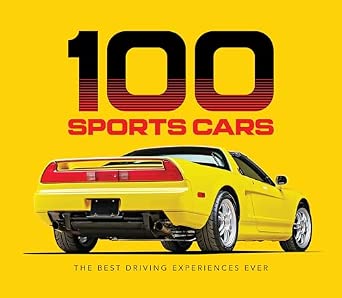 | Best Overall Coffee Table Book | Format: Hardcover | Content: Photographs, technical specifications, and history | Coverage: Muscle cars, exotic cars, and supercars | VIEW LATEST PRICE | See Our Full Breakdown |
| sports car | Format |
|---|---|
| Built for Speed: The World’s F | Hardcover |
| Sports Cars | Hardcover |
| 100 Sports Cars: The Best Driv | Hardcover |
More Details on Our Top Picks
Built for Speed: The World’s Fastest Road Cars
This book stands out for its singular focus on velocity. While 100 Sports Cars attempts to cover the entire spectrum of driving experiences, Built for Speed narrows the lens to the absolute peak of engineering. It is a tribute to the machines that broke the 200 mph barrier and beyond. The layout is aggressive, mirroring the subject matter. You get large, high-contrast images that emphasize the aerodynamic shapes necessary for extreme speed.
Compared with the broader historical context of Sports Cars, 45th Edition, this volume feels more modern and urgent. It is less about heritage and more about achievement. However, this narrow focus is also its limitation. If you are interested in handling, chassis balance, or the joy of cornering, you will find this book lacking. It does not discuss the Porsche 911’s balance in the same depth it discusses the Bugatti’s top speed. It is a book for the person who measures a car’s worth in miles per hour.
The text is concise and technical, avoiding the flowery prose found in some lifestyle books. I appreciate that it respects the reader’s intelligence by providing actual engineering context for the speed records. But be warned: if you prefer the raw emotion of a V8 muscle car rumble over the silent hum of a hypercar’s top-end stability, this might feel too sterile.
Pros:- Focuses exclusively on the fastest production vehicles ever made.
- High-contrast photography highlights aerodynamic design features.
- Technical explanations of speed records are clear and concise.
Cons:- Lacks coverage of non-speed-focused sports cars like lightweight roadsters.
- Can feel repetitive as it compares similar hypercar engineering solutions.
Best for: Engineers and speed record enthusiasts who prioritize top-end velocity over handling.
Not ideal for: Readers who prefer classic muscle cars or cars known for cornering ability.
- Focus Area:Top Speed Records
- Format:Hardcover
- Primary Content:Hypercars and Speed Records
- Writing Style:Technical and Concise
- Visual Style:High-Contrast Action
- Historical Range:Modern Era Focus
Our verdict“This pick makes the most sense for the buyer who believes speed is the only metric that matters.”
Sports Cars, 45th Edition
This edition is the heavyweight champion of reference books. It does not try to be a narrative. It tries to be an archive. Where 100 Sports Cars curates a specific list of one hundred vehicles, this book aims for completeness. It is updated regularly, which is a significant advantage for buyers who want current data. The layout is dense, packed with specifications and short historical notes for hundreds of models.
Compared with Built for Speed, this book is far less visually dramatic. The images are smaller, serving as identifiers rather than art pieces. This is a tool, not a trophy. I find it invaluable for looking up production numbers, engine codes, and variant differences. However, it lacks the soul of a curated collection. You will not find long-form stories about why a particular car felt special to drive. It is data-driven.
This option is better suited to the collector who needs to verify a model year or the enthusiast who wants to know every iteration of the Ferrari F40. It is dry, but it is accurate. If you are looking for inspiration to buy a car, this might bore you. If you are looking to confirm the specs of a car you are considering, it is indispensable.
Pros:- Extensive coverage of hundreds of models across decades.
- Regular updates ensure accuracy on production numbers and variants.
- Dense layout maximizes information density per page.
Cons:- Photography is functional rather than artistic or inspiring.
- Text can be dry and difficult to read for long periods.
Best for: Collectors and researchers needing detailed specifications and historical data.
Not ideal for: Casual readers looking for an engaging story or artistic photography.
- Edition:45th
- Format:Hardcover
- Content Type:Encyclopedic Reference
- Image Style:Small, Identification-Focused
- Text Density:High
- Update Frequency:Annual
Our verdict“This model is the ultimate reference guide, though it sacrifices visual flair for data density.”
100 Sports Cars: The Best Driving Experiences Ever
This title strikes the best balance between the other two options. It is not as narrow as Built for Speed, nor is it as dry as Sports Cars, 45th Edition. It curates one hundred cars that define the sports car experience. The selection includes muscle cars, exotic cars, and supercars, providing a holistic view of the genre. The photography is exceptional, designed to be displayed on a coffee table where guests can linger on the details.
Compared with the other picks, this book understands that a sports car is an emotional object. The text focuses on the driving experience. It explains why the steering of an E-Type feels different from the steering of a McLaren. This narrative approach makes it readable from cover to cover, unlike the reference-heavy alternative. The hardcover format feels substantial in the hand, signaling quality.
The tradeoff is that it cannot cover everything. By limiting itself to one hundred cars, it inevitably leaves out some beloved models. Purists might argue that the chosen list is subjective. However, this subjectivity is also its strength. It offers a curated journey rather than an overwhelming data dump. It is the best entry point for someone who wants to understand the soul of the sports car.
Pros:- Combines high-quality photography with accessible technical specs.
- Covers a diverse range including muscle cars and exotics.
- Focuses on the driving experience rather than just static metrics.
- Premium hardcover design is ideal for display.
Cons:- Subjective selection means some favorite cars are missing.
- Less detailed on technical engineering than the speed-focused book.
Best for: Gift buyers and enthusiasts who want a visually stunning, curated overview.
Not ideal for: Researchers who need exhaustive lists of every model ever produced.
- Format:Hardcover
- Content:Photographs, technical specifications, and history
- Coverage:Muscle cars, exotic cars, and supercars
- Selection Size:100 Vehicles
- Narrative Focus:Driving Experience
- Target Audience:General Enthusiasts
Our verdict“This option stands out as the most well-rounded and visually appealing choice for the general enthusiast.”
How We Picked
I selected these three titles because they represent distinct approaches to the sports car genre. I did not simply pick the newest releases. I looked for books that offer lasting value. The first criterion was visual fidelity. A sports car book is useless if the photography is poor or the paper quality is cheap. I evaluated the print quality and the clarity of the images across all three options.
Next, I considered the editorial voice. Some books are dry encyclopedias. Others are narrative-driven journeys. I prioritized titles that explain the significance of each vehicle, not just its horsepower. Finally, I looked at the scope of coverage. Does the book cover only modern exotics, or does it include classic muscle cars? I wanted a mix that appeals to different types of enthusiasts, from the purist to the speed junkie.
Factors to Consider When Choosing Best Sports Cars
Buying a book about cars is different from buying a car. You are not looking for performance metrics. You are looking for inspiration, information, or display value. I have broken down the key factors I consider when evaluating these types of publications to help you make an informed decision.
Visual Quality and Paper Stock
In the world of sports car books, the image is everything. I always check the paper stock first. Glossy, heavy paper allows for deeper blacks and more vibrant colors, which is essential for showcasing the curves of a Ferrari or the chrome of a Jaguar. Matte paper can feel more sophisticated but may lose some vibrancy. I prefer books that use full-bleed images, where the photo runs off the edge of the page. This creates a sense of immersion. If the images are small or surrounded by too much whitespace, the book feels like a pamphlet rather than a premium item. 100 Sports Cars excels here, while Sports Cars, 45th Edition prioritizes space for text over image size.
Editorial Approach: Narrative vs. Data
You need to decide if you want to read a story or look up a fact. Some books, like Built for Speed, are narrative-driven around a specific theme. They guide you through a concept. Others, like Sports Cars, 45th Edition, are encyclopedic. They are designed for quick lookups. I find that narrative books are better for evening reading, while data books are better for reference. If you buy a data book expecting a story, you will be disappointed. If you buy a narrative book expecting exhaustive specs, you will be frustrated. Match the book to your intent. Do you want to be entertained or informed?
Scope of Coverage
Does the book cover only supercars? Only classics? Or everything in between? I look for curated breadth. A book that tries to cover every car ever made often fails to do justice to any of them. A book that covers only one brand can feel narrow. The sweet spot, in my opinion, is a curated list like 100 Sports Cars. It allows the author to provide depth for each entry without spreading resources too thin. Check the table of contents. If you love American muscle cars, ensure they are represented. If you are into Japanese engineering, check for entries on the Nissan GT-R or Mazda RX-7. Missing categories are a red flag.
Frequently Asked Questions
Are these books suitable for beginners?
Yes, but with caveats. 100 Sports Cars: The Best Driving Experiences Ever is the most accessible for beginners because it explains the context and feeling of driving each car. It does not assume prior knowledge. Built for Speed might be too technical for a casual reader who does not understand aerodynamic coefficients. Sports Cars, 45th Edition is not a beginner’s book in the sense that it is not a narrative introduction. It is a reference tool. A beginner can use it to look up cars they see in movies, but they will not learn the history or culture through reading it cover to cover.
How do I choose between a curated list and an encyclopedia?
This depends on how you intend to use the book. If you want a gift that will be looked at and admired, choose the curated list like 100 Sports Cars. The subjective nature of the selection makes it more engaging and personal. If you are a collector who needs to verify production numbers or compare engine specs across decades, choose the encyclopedia like Sports Cars, 45th Edition. The encyclopedia is a utility; the curated list is an experience. I recommend the curated list for 80% of buyers because it offers more emotional value.
Do these books cover electric sports cars?
The coverage of electric vehicles varies significantly by title. Built for Speed is likely to include modern electric hypercars like the Rimac Nevera or Tesla Roadster prototypes if they hold speed records. 100 Sports Cars may include a few electric models if they are deemed to offer a unique driving experience, such as the Porsche Taycan or Lotus Evija. However, older editions or strictly traditional books like Sports Cars, 45th Edition may have limited coverage of EVs depending on the print date. Always check the table of contents for specific EV models if this is a priority for you.
Is the hardcover format necessary?
For this category, yes. I strongly recommend hardcover editions. These books are large and heavy. Paperback versions often suffer from poor binding, where the pages do not lie flat. This is a significant issue when you are looking at a two-page spread of a car’s side profile. Hardcover books also have dust jackets or protective covers that preserve the value over time. A sports car book is often a display item. A paperback looks cheap and wears out quickly on a coffee table. The durability and prestige of hardcover justify the higher production cost.
Can I use these books for car buying advice?
No. These books are historical and visual records, not consumer guides. They will not tell you about maintenance costs, reliability ratings, or insurance premiums. Sports Cars, 45th Edition provides specs, but not buying advice. If you are looking to purchase a car, use these books for inspiration to narrow down your shortlist, then consult dedicated automotive forums and owner groups for real-world ownership data. These books are for celebrating the car, not for negotiating the deal.
Conclusion
Choosing the right book comes down to what you value most: speed, data, or experience. If you are obsessed with the engineering feats that allow cars to exceed 250 mph, Built for Speed is your match. It is focused, intense, and technically rigorous. If you need a comprehensive database of models and specs for research, Sports Cars, 45th Edition is the only logical choice. It is the workhorse of the shelf.
However, for most enthusiasts, 100 Sports Cars: The Best Driving Experiences Ever is the best overall pick. It respects the car as an object of art and emotion. It offers enough technical detail to satisfy the mind while providing the visual splendor to delight the eye. It is the book I would recommend to a friend who loves cars but does not want to get bogged down in production numbers. It captures the spirit of the sports car better than the other two. Choose based on whether you want to study the machine, measure the machine, or feel the machine.
Evergreen bestsellers Picks
Ninja Foodi Smart XL 6-in-1 Indoor Grill and Air Fryer, Black/Silver (DG551)

KitchenAid Artisan 5-Qt Tilt-Head Stand Mixer, Cardamom

Apple AirPods Max 2 Wireless Over-Ear Headphones, Midnight
As an affiliate, we earn on qualifying purchases.