Upgrading to big brakes can sometimes make your car worse if you don’t match them properly with your ABS and hydraulic system. Larger brakes generate more heat and may cause heat buildup, leading to brake fade or inconsistent stopping. Without proper calibration, you might notice softer pedal feel or unpredictable ABS engagement, reducing safety. To avoid these issues, proper installation, cooling, and compatibility are essential. Want to discover how to upgrade safely? Keep exploring to find out more.

Get business pricing on garage and car supplies
- Business-only prices and quantity discounts
- Tax-exempt purchasing
- Multiple users, one account, clear invoices
Key Takeaways
- Improper matching of larger brakes with existing ABS systems can cause unpredictable activation and reduced braking control.
- Increased heat from bigger brakes may lead to brake fade if cooling is inadequate, impairing ABS performance.
- Incorrect calibration of hydraulic systems after upgrade can cause inconsistent pedal feel and interfere with ABS operation.
- Poor installation or incompatible components can disrupt brake fluid flow, affecting ABS responsiveness during emergency stops.
- Without proper maintenance and cooling, heat buildup can diminish brake effectiveness, worsening overall braking performance.
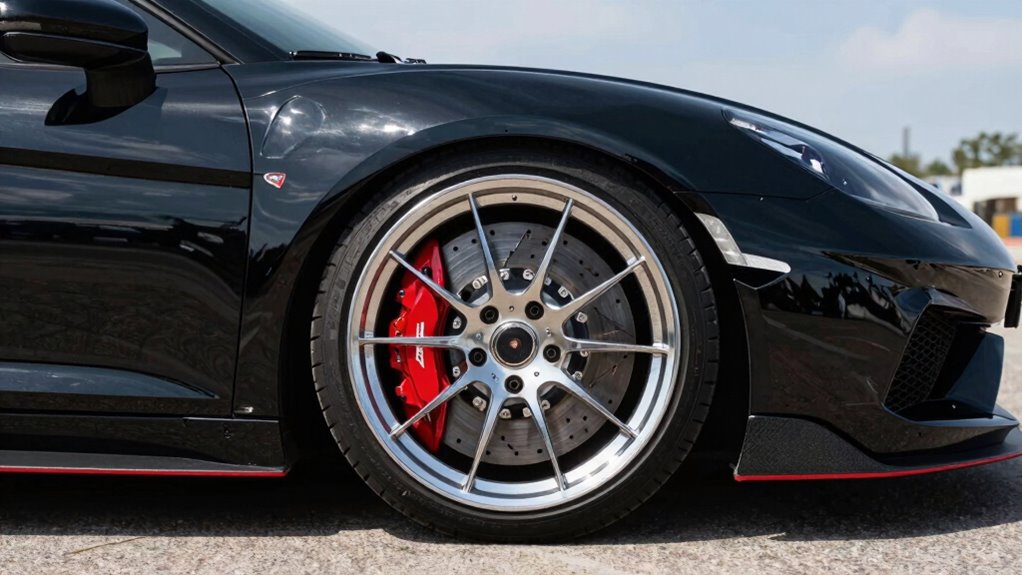
Have you ever wondered how big brakes and ABS work together to keep you safe on the road? When you step on the pedal, your braking system is designed to slow your vehicle effectively, but as you push harder or brake frequently, issues like brake fade can occur. Brake fade happens when the brake components, especially the pads and rotors, heat up too much, reducing their ability to generate the necessary friction. This results in a spongy or less responsive pedal feel, which can be unsettling. Upgrading to larger brakes might seem like a great idea, but if your brake system isn’t properly matched or maintained, you could end up with worse braking performance instead of better. Larger brakes can sometimes generate more heat during aggressive stops, increasing the risk of brake fade if the cooling isn’t sufficient. Coupled with your ABS, which is designed to prevent wheel lock-up during hard braking, poor brake modulation can occur if the system isn’t tuned properly for the new setup. This could make your pedal feel less predictable, especially in emergency situations where precise control matters most.
The pedal feel is a critical aspect of braking safety and confidence. When your brakes are upgraded, you expect a firmer, more responsive pedal, but sometimes, after installing bigger brakes, the pedal might feel softer or less direct. That’s because the hydraulic system might need recalibration, or the master cylinder may not be providing the right pressure. If the pedal feels soft or spongy, you might instinctively press harder, which doesn’t always translate to better stopping power, especially if your ABS is kicking in unexpectedly. Proper bleeding of the brake lines and ensuring the system is calibrated to the new components can help restore that firm pedal feel. Without these adjustments, the combination of larger rotors, pads, and the ABS system can create a disconnect that affects how you perceive braking performance. Additionally, selecting appropriate body jewelry materials and ensuring proper installation can prevent complications and improve overall performance.
In some cases, bigger brakes and ABS don’t just improve safety—they can complicate it if not installed and tuned correctly. The key is understanding that upgrading isn’t just about size; it’s about ensuring everything from brake fluid to calibration matches the new hardware. Otherwise, you risk experiencing issues like brake fade, inconsistent pedal feel, or even reduced stopping distances. When done right, however, enhanced braking systems can give you more confidence and control. But it’s essential to recognize that bigger brakes require proper maintenance, cooling, and system adjustments to truly outperform the stock setup and keep you safe on every drive.
As an affiliate, we earn on qualifying purchases.
Frequently Asked Questions
Can Aftermarket Brakes Improve My Car’s Handling?
Yes, aftermarket brakes can improve your car’s handling if you choose the right components. Focus on brake pad selection for better grip and fade resistance, and guarantee brake fluid compatibility to prevent boiling under heavy braking. Proper installation and tuning are essential; otherwise, you might experience worse handling. Always match your upgrades to your vehicle’s needs and driving style for ideal results.
How Do Big Brakes Affect Tire Wear?
Did you know that big brakes can increase tire wear by up to 20%? You might notice uneven tire wear if your tire alignment isn’t spot-on or if you choose brake pads that aren’t compatible with your driving style. Larger brakes generate more heat and braking force, which can accelerate tire degradation. To minimize this, make sure proper tire alignment and select brake pads suited for your needs, helping extend your tires’ lifespan.
Are Upgraded Brakes Compatible With All ABS Systems?
Upgraded brakes aren’t always compatible with all ABS systems. You need to check brake fluid compatibility because mismatched fluids can cause ABS malfunction. Additionally, ABS sensor calibration is vital; improper calibration might lead to ABS warning lights or poor braking performance. Before upgrading, verify that your new brakes are compatible with your vehicle’s ABS system, and consider professional calibration to guarantee safe, effective braking.
Do Larger Brakes Increase Brake Fade?
Larger brakes can actually increase brake fade if not properly managed, making your stopping power feel sluggish during intense driving. While bigger brakes seem like they should improve performance, they generate more heat, which can cause brake fade. So, instead of reducing fade, they might make it worse if cooling isn’t sufficient. Properly matched components and cooling solutions are essential to prevent this and keep your brakes performing at their best.
What’s the Best Way to Maintain Upgraded Brake Systems?
To maintain your upgraded brake system, regularly check and replace the brake fluid to prevent moisture buildup and boiling, which can cause brake fade. Also, pay attention to pedal feel; if it becomes spongy or less responsive, it’s time for bleeding the brakes. Consistent maintenance guarantees peak performance, prolongs component life, and keeps your braking response predictable, helping you get the most from your upgrades.
Conclusion
Upgrading your brakes can sometimes backfire, making your car worse rather than better. Did you know that improperly installed ABS or oversized brakes can increase stopping distances by up to 20%? That’s a huge safety risk. So, before you upgrade, do your research and get professional help. Sometimes, sticking with the right-sized, properly installed system is the best way to guarantee your car performs safely and effectively. Don’t let upgrades compromise your safety.
Halloween Picks
halloween
As an affiliate, we earn on qualifying purchases.