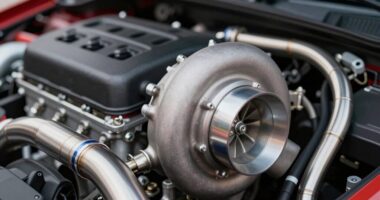
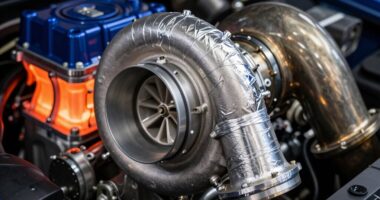
If you’re choosing between a cat-back and an axle-back exhaust, consider your goals and budget. A cat-back offers better performance gains and deeper sound but costs more and is harder to install, making it ideal if you want maximum improvements. An axle-back is simpler, cheaper, and mainly boosts sound, perfect for a quick, budget-friendly upgrade. To learn which option suits your needs best, keep exploring the details behind each system.

Get garage and car supplies delivered free — and shop member deals
- Fast, free delivery on millions of items
- Access to Prime Big Deal Days deals on October 6–7
- Prime Video, Amazon Music and more included
Key Takeaways
- Axle-back systems are more budget-friendly and primarily improve sound with minimal performance gains.
- Cat-back exhausts offer both significant sound enhancement and measurable performance improvements for the cost.
- For the best sound-per-dollar ratio, axle-back upgrades are ideal for budget-conscious enthusiasts focused on sound.
- Cat-back systems provide superior airflow and power gains but at a higher cost, making them less cost-effective solely for sound.
- The choice depends on whether your priority is enhanced sound, performance, or a balance of both within your budget.

When upgrading your vehicle’s exhaust system, understanding the differences between cat-back and axle-back setups is essential. These modifications impact not only your car’s sound but also its performance gains and installation complexity. Knowing which one suits your goals helps you make an informed choice and get the most out of your investment.
A cat-back exhaust system runs from the catalytic converter back to the muffler and tailpipe. It’s designed to replace factory components with aftermarket parts that typically improve airflow. This setup often results in noticeable performance gains because reducing exhaust backpressure allows your engine to breathe better. Expect increased horsepower and torque, especially at higher RPMs, making your vehicle feel more responsive. However, installing a cat-back system can be more complex than an axle-back. You might need to remove and replace parts underneath your car, and it sometimes requires modifications to fitment or welding, depending on your vehicle and the kit you choose. The process may take several hours and might be best handled by someone with mechanical experience or a professional.
In contrast, an axle-back exhaust focuses solely on replacing the muffler and tailpipe. It’s a simpler, more straightforward upgrade that doesn’t involve the catalytic converter or the mid-pipe. Because of this, installation complexity is considerably lower. You can often swap out your factory muffler for an aftermarket one in a matter of minutes, sometimes just using basic hand tools. Performance gains from axle-back setups are usually more modest, mainly improving sound and a slight increase in power at higher RPMs. They’re ideal if you want a louder, sportier sound without the hassle of extensive modifications. Keep in mind that since the main change is in the muffler and tailpipe, the airflow improvements are limited compared to a full cat-back system.
Additionally, understanding exhaust flow dynamics can help you better evaluate how each system impacts your vehicle’s performance and sound. When comparing the two, consider your goals. If you’re after maximum performance gains and don’t mind a more involved installation, a cat-back system is the way to go. It offers better airflow and power improvements but at a higher cost and complexity. If you’re mainly looking for a louder, more aggressive sound with minimal fuss, an axle-back setup is more practical. It’s less expensive, easier to install, and still provides a noticeable enhancement in sound quality. Your choice depends on your budget, mechanical comfort level, and whether performance or sound is your priority. Both options can upgrade your vehicle’s exhaust note and efficiency, but understanding these differences helps you pick the right one for your needs.
best cat-back exhaust system for performance
As an affiliate, we earn on qualifying purchases.
As an affiliate, we earn on qualifying purchases.
Frequently Asked Questions
Which Exhaust Type Is Easier to Install Myself?
Axle-back exhaust systems are generally easier to install yourself because they involve replacing only the rear section of your exhaust. Their installation difficulty is lower, making them more DIY friendly. You’ll likely need basic hand tools and some patience, but it’s a manageable project for beginners. On the other hand, cat-back systems are more complex, requiring more time and technical skill, so they’re less suited for a straightforward DIY install.
Do Cat-Back or Axle-Back Exhausts Affect Vehicle Emissions?
You’ll find that aftermarket exhausts, whether cat-back or axle-back, can impact your vehicle’s emissions. While they often improve performance and sound, they might not meet strict emission standards without proper modifications. If eco-friendliness is a priority, check if the exhaust system complies with local regulations. Upgrading can sometimes reduce emissions, but it’s essential to verify that your chosen system aligns with eco-friendly practices and legal requirements.
Are There Legal Restrictions on Aftermarket Exhausts in My Area?
You need to check your local noise ordinances and emissions regulations before installing an aftermarket exhaust. Many areas have restrictions on noise levels, especially for louder systems like aftermarket cat-back or axle-back exhausts. Some regions also have emissions laws that could restrict modifications affecting emissions output. To avoid fines or legal issues, verify your exhaust setup complies with local rules and passes any required inspections.
How Do Exhaust Modifications Impact Vehicle Resale Value?
Ever wonder if your exhaust mods make your car less appealing? They can, as aftermarket exhausts might boost resale value for enthusiasts but could hurt market perception among average buyers. Custom sound and appearance might stand out, but potential buyers could see it as a negative. Overall, modifications impact resale value variably, depending on your car’s appeal, the quality of the upgrade, and buyer preferences. Consider these factors before customizing.
Can Exhaust Upgrades Improve Fuel Efficiency Significantly?
Exhaust upgrades can improve fuel efficiency slightly by reducing back pressure and optimizing flow, leading to some fuel savings. However, the actual gains are usually modest, around 1-3%, and depend on your driving habits. Keep in mind, these modifications also impact emissions, with some upgrades reducing emissions while others might increase them. So, while you might see minor fuel savings, don’t expect a dramatic change.
Conclusion
Choosing between cat-back and axle-back exhausts depends on your goals and budget. Think of it as upgrading your car’s voice—do you want a deeper roar or a subtle whisper? Remember, the sound may turn heads, but your wallet shouldn’t turn pale. Ultimately, the right choice amplifies your driving experience without drowning your wallet. After all, isn’t it better to enjoy the ride than to be lost in the noise of overspending?
Fall Picks
fall essentials
As an affiliate, we earn on qualifying purchases.