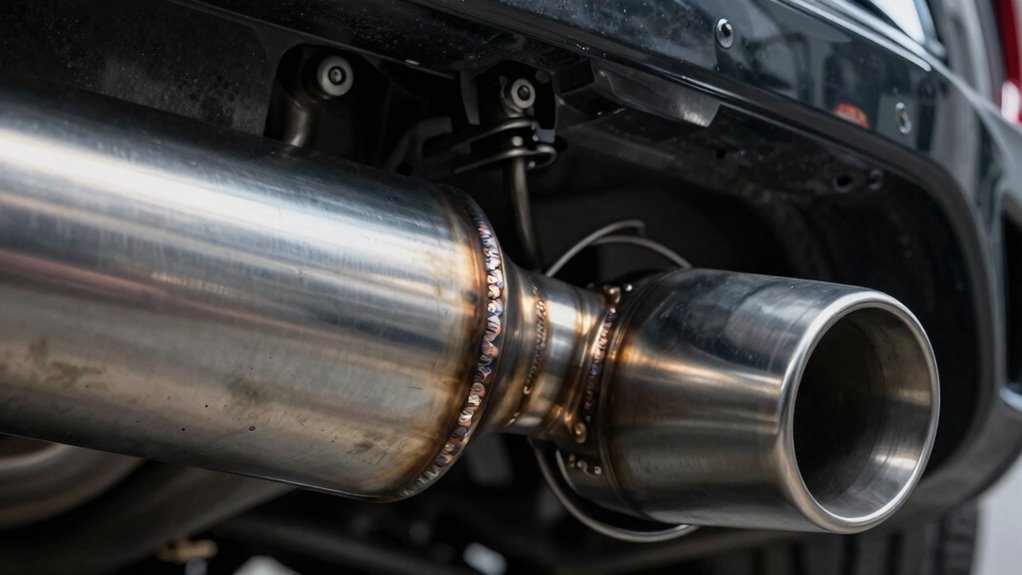

Upgrading your exhaust system without ensuring compatibility and proper calibration often triggers the check engine light. Mismatched components or high-flow catalytic converters can send false signals from sensors or disrupt the engine’s emissions balance. Poor installation or ignoring calibration steps can lead to increased emissions, performance issues, and even engine damage. If you want to avoid these common mistakes and keep your vehicle running smoothly, there’s more important info you should know.
Listen free for 30 days with Audible
Thousands of audiobooks and originals — cancel anytime.
As an affiliate, we earn on qualifying purchases.
Key Takeaways
- Installing incompatible aftermarket exhaust components can cause sensor misreads and trigger warning lights.
- High-flow catalytic converters often set off diagnostic trouble codes if not properly calibrated.
- Poor installation or lack of calibration disrupts the vehicle’s emissions system, activating the check engine light.
- Mismatched parts or incomplete upgrades can lead to false sensor signals and diagnostic errors.
- Neglecting proper calibration after exhaust modifications increases the risk of engine issues and emissions non-compliance.
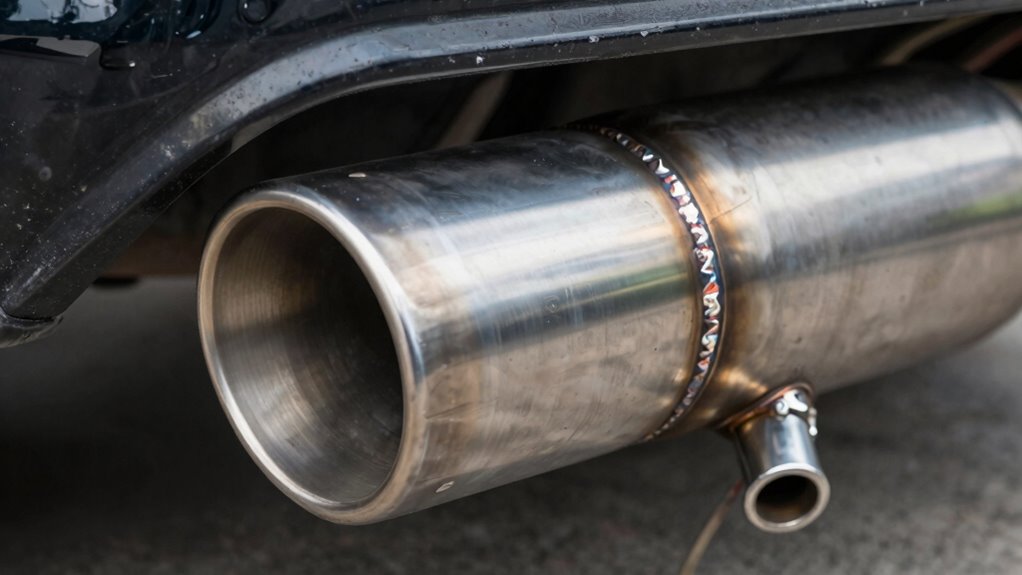
Upgrading your exhaust system might seem like a straightforward way to boost performance, but if you don’t do it carefully, it can backfire. Many enthusiasts pursue exhaust upgrades to achieve better performance gains and sound enhancement, but overlooking certain details can lead to unintended issues, like triggering the check engine light. This warning signals that your car’s onboard diagnostics system has detected a problem, often related to emissions or sensor readings, which can be directly affected by changes to the exhaust system.
Upgrading your exhaust can boost performance, but improper installation may trigger warning lights and cause issues.
When you install a new exhaust, especially one that isn’t designed for your specific vehicle, it can cause a mismatch with the engine’s sensors, particularly the oxygen sensors. These sensors monitor exhaust gases and help regulate the engine’s air-fuel mixture. If they detect abnormal readings—often caused by a less restrictive exhaust or aftermarket components that aren’t compatible—they may send false signals. This can result in the check engine light illuminating, alerting you to a potential issue that might not even be a problem but rather a side effect of your upgrade.
Many aftermarket exhaust systems aim to maximize performance gains and sound enhancement, but if they aren’t properly tuned or installed, they can upset the delicate balance of your vehicle’s emissions system. For example, a high-flow catalytic converter or a non-compliant muffler can trigger diagnostic trouble codes (DTCs). Sometimes, these components alter the exhaust flow enough to make sensors read differently, causing the engine control unit (ECU) to throw a warning. If you ignore this warning, it can lead to reduced fuel efficiency, increased emissions, or even engine damage over time. Ensuring your exhaust system is compatible with your vehicle’s emission standards is key to avoiding these issues. Additionally, understanding how sensor mismatch issues can arise from aftermarket modifications can help you better prepare for a smooth upgrade process. Being aware of emissions system compatibility can make all the difference during installation. Taking the time to properly calibrate your system can help your vehicle adapt seamlessly to the new parts.
To avoid this mistake, you should ensure your new exhaust system is compatible with your vehicle’s make and model. Performing a thorough tune-up or calibration after installation can help your ECU adapt to the new setup, preventing false alarms. Additionally, using high-quality components designed to meet emission standards reduces the likelihood of sensor issues. Proper installation and calibration are crucial for avoiding sensor mismatch issues, ensuring your vehicle functions correctly without false warning lights. If you’re unsure, consulting with a professional mechanic or tuning specialist can save you from the hassle of frequent warning lights and potential repairs.
While the goal of your exhaust upgrade is to improve sound and performance, skipping these critical steps can cause more trouble than it’s worth. Being cautious and informed during installation helps you enjoy the performance gains and sound enhancement benefits without triggering that pesky check engine light.
aftermarket exhaust system for [vehicle make and model]
As an affiliate, we earn on qualifying purchases.
As an affiliate, we earn on qualifying purchases.
Frequently Asked Questions
Can an Exhaust Upgrade Improve Fuel Efficiency?
Yes, an exhaust upgrade can improve your fuel economy by reducing backpressure and optimizing exhaust flow, which helps your engine run more efficiently. However, if not done correctly, it might affect emissions regulations and trigger check engine lights. To maximize benefits without legal issues, choose quality upgrades and guarantee they meet local emissions standards. Proper installation is key to avoiding issues and achieving better fuel efficiency.
How Long Does a Typical Exhaust Upgrade Installation Take?
An exhaust upgrade typically takes about 2 to 4 hours, depending on your vehicle and the exhaust materials used. During the installation process, your mechanic will remove the old exhaust system and fit the new one, ensuring all connections are tight. If your exhaust materials are complex or custom, it might take longer. It’s best to set aside enough time for a thorough installation to avoid future issues.
Are There Legal Restrictions on Aftermarket Exhaust Systems?
You absolutely must obey environmental regulations and noise ordinances when installing aftermarket exhaust systems. Laws can be as strict as banning any exhaust that’s louder than a whisper or emitting pollutants beyond permitted levels. Ignoring these restrictions can lead to hefty fines, vehicle impoundment, or even court dates. So, before upgrading, check your local laws to guarantee your new exhaust system stays within legal limits, avoiding costly trouble.
Will a Louder Exhaust Affect Vehicle Insurance?
A louder exhaust can impact your insurance, as it may lead to increased premiums or coverage issues due to insurance implications. Insurers might view it as a risk factor, especially if the noise violates local noise regulations. You should check your policy and local noise regulations before upgrading. Keep in mind that excessively loud exhausts could also attract police attention, possibly affecting your driving record and insurance claims.
How Do I Choose the Right Exhaust Upgrade for My Car?
To choose the right exhaust upgrade, start by considering exhaust materials like stainless steel or titanium for durability and weight. Check sound regulations in your area to avoid excessive noise that could lead to fines. Look for a system that enhances performance without violating local laws. Test different sound levels and guarantee compatibility with your vehicle’s make and model. This approach helps you upgrade effectively and legally.
Conclusion
Avoid the exhaust upgrade mistake that triggers check engine lights like a warning siren blaring in your car’s engine. By ensuring you use the right parts and get a proper tune-up, you keep your vehicle running smoothly—like a well-oiled machine. Skipping these steps is like ignoring a small crack in a dam; it might not seem urgent now, but it can lead to bigger problems down the road. Stay vigilant and upgrade wisely!
Fall Picks
fall essentials
As an affiliate, we earn on qualifying purchases.