To guarantee your vehicle passes inspection, you need to know the specific standards for emissions, safety features, and documentation required by your state. Use an updated inspection checklist to verify that everything is properly installed, functioning, and compliant. Keep detailed records of all modifications and repairs, and thoroughly clean your vehicle before the test. Staying organized and prepared reduces the chance of failure. If you’re ready to get it right the first time, there’s more you should know.

Get business pricing on garage and car supplies
- Business-only prices and quantity discounts
- Tax-exempt purchasing
- Multiple users, one account, clear invoices
Key Takeaways
- Understand specific state compliance standards for emissions, safety features, and documentation requirements before modifications.
- Use a comprehensive inspection checklist to ensure all modifications meet current regulations and are properly documented.
- Verify that all safety components and emissions systems are functional, intact, and leak-free prior to inspection.
- Maintain detailed records of modifications, repairs, and testing to demonstrate compliance during evaluation.
- Perform final vehicle cleaning, remove obstructions, and double-check all systems to ensure a presentable, inspection-ready vehicle.
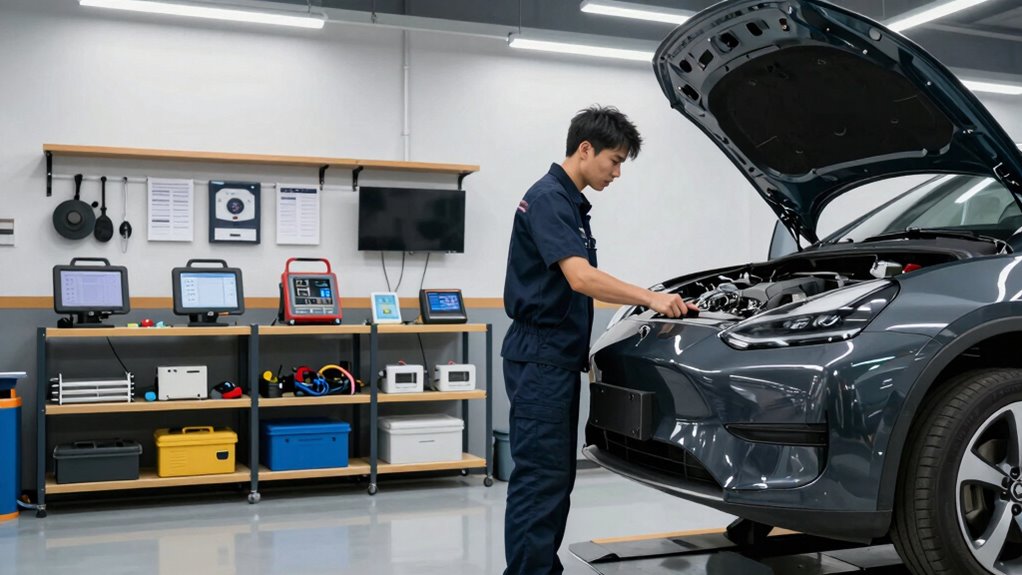
Are you prepared to guarantee your modifiers meet state inspection standards? If you’re a modifier working in the automotive industry, understanding what’s required for a successful inspection is essential. State inspection standards are designed to ensure vehicles are safe, environmentally compliant, and roadworthy. To stay ahead, you need to be familiar with the specific compliance standards that apply to your modifications. These standards can vary by state but generally include emissions controls, safety features, and proper documentation. Having a solid grasp of these requirements helps you avoid costly re-inspections or potential legal issues down the line.
Ensuring modifications meet state standards prevents costly re-inspections and legal issues.
An indispensable part of your preparation involves creating and regularly updating an inspection checklist. This checklist acts as a roadmap, guiding you through the necessary steps to make sure every aspect of your modifications aligns with state regulations. Your inspection checklist should cover everything from verifying emission control devices to confirming the proper installation of safety features like lights, brakes, and seat belts. It’s not just about ticking boxes; it’s about making sure each modification is properly documented, meets technical specifications, and passes functional tests.
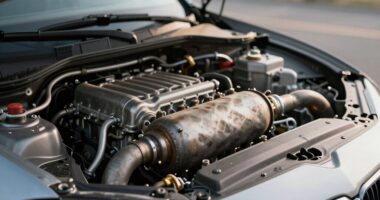
To get your vehicle ready for inspection, start by reviewing the latest compliance standards published by your state’s vehicle department. These documents often contain detailed information about allowable modifications and the necessary testing procedures. Use this data to cross-check your work against the requirements. Next, conduct a thorough internal inspection using your checklist. Check that emissions systems are intact and functioning properly—any leaks, damage, or missing parts could cause failure. Ensure safety components are installed correctly and operate as intended. For example, lights should be visible and working, brakes should respond smoothly, and seat belts must be securely anchored. Additionally, understanding state inspection standards is crucial for ensuring your modifications are compliant and can pass inspection on the first try. Familiarity with emissions regulations can significantly reduce the risk of non-compliance.
It’s also wise to keep meticulous records of all modifications, repairs, and tests. Documentation can be essential if your vehicle is ever flagged during an inspection or if you need to prove compliance. Proper records demonstrate that you’ve followed the correct procedures and adhered to regulatory standards. Before heading to the inspection station, double-check your vehicle against your checklist one last time. Remove any loose parts or debris that could obstruct visibility or accessibility. Make sure the vehicle is clean and presentable, as a tidy appearance can positively influence the inspector’s perception.
Ultimately, thorough preparation, knowledge of compliance standards, and a detailed inspection checklist are your best tools to guarantee your modifiers meet state inspection standards. Being proactive in identifying potential issues allows you to address them beforehand, saving time and avoiding re-inspections. When your vehicle passes the inspection, it confirms that your modifications are safe, legal, and compliant—giving you peace of mind and a smoother ride down the road.
As an affiliate, we earn on qualifying purchases.
Frequently Asked Questions
How Often Should Modifiers Update Their Inspection Procedures?
You should update your inspection procedures regularly, at least once a year, to stay compliant. Regular reviews guarantee your inspection protocols align with current regulations and industry standards. Use a compliance checklist to identify gaps and keep your procedures effective. Keeping your inspection protocols up-to-date helps prevent violations, ensures safety, and makes inspections smoother, saving you time and potential fines during state inspections.
What Are Common Penalties for Non-Compliance During Inspections?
About 40% of modifiers face penalties during inspections, highlighting the importance of insurance compliance and technician training. If you fail to meet state requirements, you risk fines, license suspension, or even business closure. Staying current with inspection procedures, maintaining proper documentation, and ensuring your technicians are well-trained can help you avoid these penalties. Proactive compliance not only protects your business but also builds customer trust and safety.
How Can Modifiers Prepare for Unexpected Inspection Audits?
To prepare for unexpected inspection audits, you should focus on maintaining documentation accuracy and ensuring staff training is up-to-date. Keep all records organized and accessible, so you can quickly provide requested information. Regularly train your team on compliance procedures and inspection protocols, fostering a knowledgeable environment. This proactive approach minimizes surprises, helps you address issues swiftly, and demonstrates your commitment to inspection readiness, reducing potential penalties or delays.
Are There Specific Tools or Software Recommended for Inspection Readiness?
You should consider using compliance software specifically designed for inspection readiness, which helps you organize your documents, track compliance status, and update your inspection checklist regularly. These tools streamline the process, reduce errors, and guarantee you’re always prepared for unexpected audits. Look for software with user-friendly interfaces, real-time updates, and customizable features to suit your shop’s unique needs, keeping you confident and compliant at all times.
How Do State Differences Impact Inspection Requirements for Modifiers?
Imagine you’re preparing for an inspection, and you find that in State A, stricter inspection standards require detailed documentation, while State B emphasizes equipment calibration. State regulations vary considerably, impacting how you meet inspection standards. You must stay updated on each state’s rules, tailoring your compliance procedures accordingly. Recognizing these differences guarantees you’re fully prepared, avoiding surprises and ensuring smooth inspections across different states.
Conclusion
By staying ahead of state inspection requirements, you keep your business sailing smoothly through turbulent waters. Think of inspection readiness as your ship’s sturdy hull—without it, you’re vulnerable to storms that can sink your operations. Regular checks and updates aren’t just chores; they’re your safeguard against costly penalties and downtime. Embrace proactive preparation, and you’ll navigate the inspection process with confidence, turning potential roadblocks into mere ripples on your path to success.
Halloween Picks
halloween
As an affiliate, we earn on qualifying purchases.