
TL;DR
Modern LED headlights are brighter and more efficient, improving road visibility. However, their intense beams can cause glare, especially for oncoming drivers and older motorists. Experts are examining whether this creates safety concerns.
Recent reports and expert analyses indicate that while LED headlights enhance nighttime visibility, their increased brightness may cause glare that affects oncoming drivers, especially older motorists. This development raises safety concerns as manufacturers and regulators consider adjustments to headlight standards.
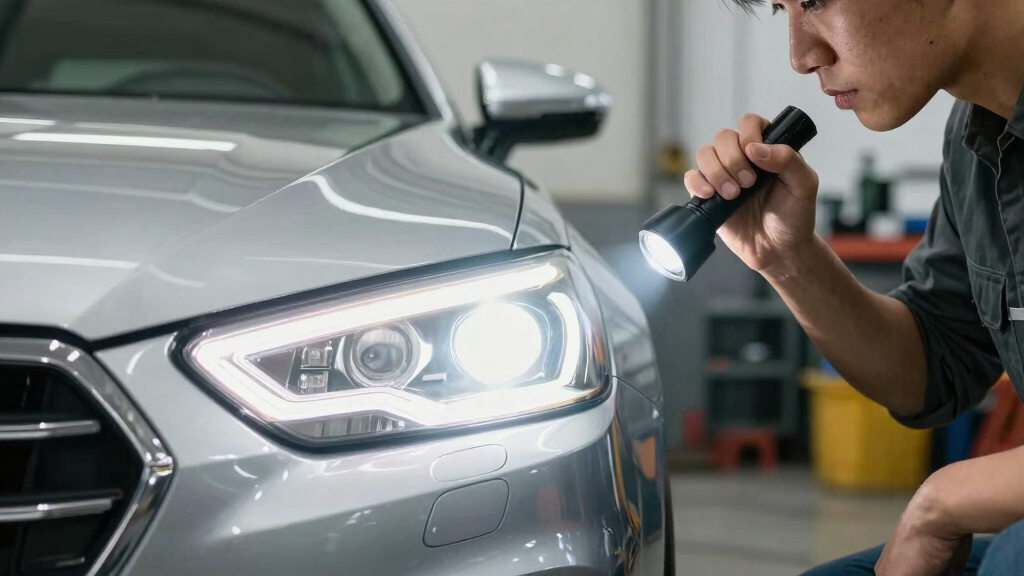
Modern LED headlights produce a concentrated, white beam that is significantly brighter and whiter than older halogen or HID headlights. This improved illumination helps drivers see more clearly at night and on dark roads, potentially reducing accidents. However, their intense output can create glare, which is especially problematic on curved or hilly roads and for drivers with aging eyes.
According to the Insurance Institute for Highway Safety, driving at night is three times riskier than during the day, and headlights play a crucial role in safety. Manufacturers have shifted to LED technology because of its efficiency, longevity, and design flexibility. LEDs consume less power—typically 15 to 30 Watts per headlight—compared to halogens, which draw 55 to 65 Watts per bulb, and produce a sharper, daylight-like beam that enhances road visibility.
Experts note that the optics of LED headlights create a sharp cutoff line designed to reduce glare, but the high intensity of the light at this boundary can appear harsh or piercing, particularly to older drivers. A recent study by the Chaiking Trial Group highlights that this can contribute to a higher incidence of glare-related fatalities among drivers aged 65 and older. While LEDs are not intended to blind, their placement—especially on taller vehicles like trucks and SUVs—can direct intense beams at oncoming drivers, increasing glare complaints.
Implications of Bright LED Headlights on Road Safety
This issue is significant because increased headlight glare can impair the vision of oncoming drivers, leading to accidents, especially on dark, curved, or hilly roads. Older drivers, who often have more sensitive eyes, are particularly vulnerable. The debate over whether LED headlights should be regulated for brightness or beam pattern is gaining momentum, as safety and technology evolve.
While LED headlights improve overall visibility, their potential to cause discomfort or temporary blindness raises questions about optimal design standards and driver safety regulations. Balancing illumination benefits with glare reduction is critical to prevent new safety hazards from emerging as vehicle lighting technology advances.

Bloomoak LED Night Driving Glasses, Anti Glare Driving Glasses for Headlight Halos, AR Coated Light Blue Lenses Reduce Glare & Eye Fatigue for Clearer Road Detail
- Advanced Light Management: Reduces glare and enhances contrast
- Color Temperature Normalization: Provides cool-white clarity for better visibility
- Glow & Halo Softening: Reduces starburst and softens headlight halos
As an affiliate, we earn on qualifying purchases.
As an affiliate, we earn on qualifying purchases.
Evolution and Challenges of Headlight Technologies
Headlight technology has evolved from incandescent bulbs to halogen, HID, and now LED systems, driven by efficiency and design needs. LEDs became the standard due to their longevity, lower power consumption, and ability to produce a daylight-like beam. However, their focused, intense light has introduced new glare-related issues that were less prevalent with older, less bright headlights.
Research indicates that the high color temperature and sharp cutoff of LED headlights, while beneficial for visibility, can be perceived as harsh or piercing, especially by older drivers. The problem is exacerbated when vehicles with high-mounted headlights face lower vehicles or when headlights are misaligned or dirty, increasing glare and potential safety risks.
Regulatory bodies and manufacturers are now exploring adaptive lighting systems, such as auto-leveling and automatic high-beam controls, to mitigate glare while maintaining the benefits of LED technology.
“Many drivers of all ages find headlight glare to be at least an annoyance, and at worst, a potential danger factor.”
— Ian Chaikin, Chaiking Trial Group
Unresolved Safety Impact and Regulatory Responses
It is not yet clear whether current LED headlight brightness levels should be regulated or if technological solutions like adaptive lighting will fully mitigate glare concerns. Ongoing research and regulatory discussions are still in progress to determine safe standards that balance visibility and glare reduction.
Next Steps in Headlight Safety and Regulation
Regulatory agencies, including the Department of Transportation and NHTSA, are expected to review headlight brightness standards and promote the adoption of adaptive lighting systems. Car manufacturers are also likely to enhance headlight design to better control glare, especially as vehicle automation and safety features evolve.
Key Questions
Are LED headlights inherently unsafe because of glare?
Not inherently. They are designed to improve visibility, but their high intensity can cause glare, especially if misaligned or on taller vehicles. Proper regulation and technology can mitigate these issues.
Will regulations limit how bright LED headlights can be?
Regulators are considering standards for headlight brightness and beam pattern to reduce glare while maintaining safety benefits. These measures are still under discussion.
Can drivers do anything to reduce headlight glare?
Yes. Maintaining headlight cleanliness, ensuring proper alignment, and using automatic or adaptive headlight systems can help reduce glare for oncoming drivers.
Are older drivers more affected by LED headlight glare?
Yes. Studies indicate that older drivers, with more sensitive eyes and slower light recovery, are disproportionately affected by headlight glare, increasing safety concerns for this group.
Source: rss