
TL;DR

Get garage and car supplies delivered free — and shop member deals
- Fast, free delivery on millions of items
- Access to Prime Big Deal Days deals on October 6–7
- Prime Video, Amazon Music and more included
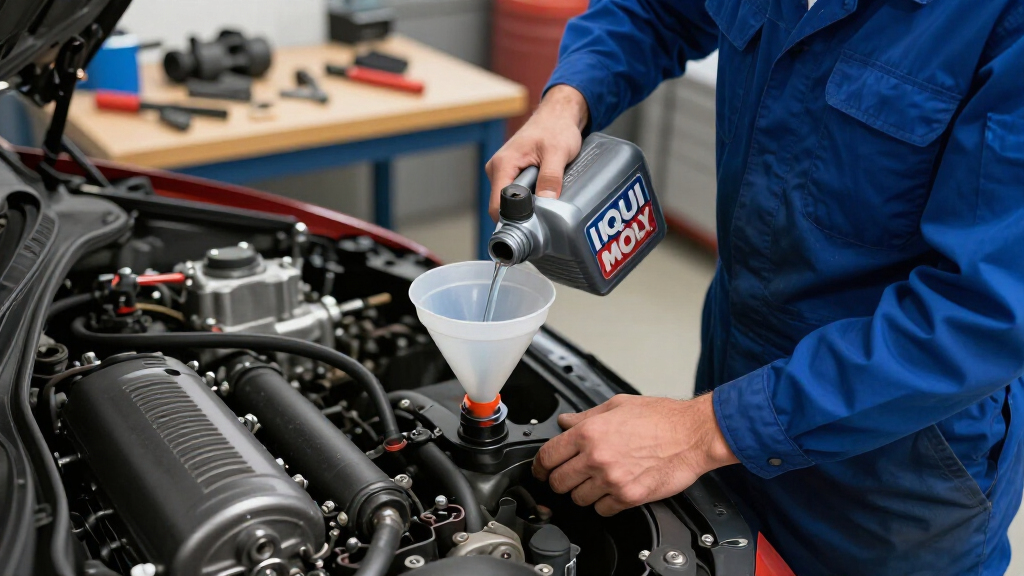
Liqui Moly, a leading automotive lubricant and additive company, is expanding its production capacity with new facilities. This development aims to meet rising worldwide demand, particularly in Europe and Asia. The move is confirmed and reflects the company’s growth strategy.
Liqui Moly, the German-based manufacturer of automotive lubricants and additives, has confirmed plans to expand its production facilities in Europe and Asia. The company states this move is in response to a significant increase in global demand for its products, which are popular among car enthusiasts and professional mechanics alike. The expansion aims to boost capacity and ensure supply chain resilience amid market growth.
According to Liqui Moly, the company is investing approximately €50 million in new manufacturing plants across Germany and Southeast Asia. The new facilities are expected to be operational by late 2025, with a focus on producing engine oils, additives, and other automotive chemicals. Spokespersons from Liqui Moly confirmed that the expansion is part of their strategic growth plan, driven by rising sales in Europe, China, and other Asian markets. The company reported a 15% increase in global sales in 2023, marking a steady upward trajectory.Industry analysts note that Liqui Moly’s focus on innovation and quality has helped it maintain a competitive edge. The company’s CEO, Hans-Joachim Rothenpieler, emphasized that the expansion will help improve supply stability and meet customer demand more efficiently. The new facilities will incorporate advanced manufacturing technologies to enhance product quality and sustainability.
Implications of Liqui Moly’s Production Expansion
This expansion signifies Liqui Moly’s confidence in sustained market growth for automotive lubricants and additives. It highlights the company’s strategic response to increased demand driven by global vehicle maintenance trends, especially in emerging markets. The move is likely to influence supply chains, pricing, and availability of automotive chemicals worldwide, benefiting consumers and professional users.
Furthermore, the investment underscores the importance of innovation and capacity building in the automotive aftermarket sector, especially as electric vehicles and alternative fuels alter traditional demand patterns. Liqui Moly’s growth may also intensify competition among lubricant manufacturers, prompting others to expand or innovate.
As an affiliate, we earn on qualifying purchases.
Market Trends Driving Liqui Moly’s Growth
Liqui Moly has established itself as a major player in the automotive chemicals industry since its founding in 1957. Its reputation for high-quality products has helped it expand beyond Germany into international markets. The company’s recent sales growth aligns with broader industry trends, including increased vehicle maintenance, rising vehicle fleets, and a shift toward high-performance lubricants.
In recent years, global demand for automotive chemicals has surged, especially in regions experiencing economic growth and increasing vehicle ownership. The COVID-19 pandemic initially disrupted supply chains but also accelerated digital marketing and e-commerce channels for automotive products. Liqui Moly’s strategic investments aim to capitalize on this recovery and growth trajectory.
Prior to this expansion, the company announced plans in 2022 to modernize its existing plants and focus on environmentally sustainable manufacturing practices, which are now being integrated into the new facilities.
“We are committed to meeting the increasing global demand for our products by expanding our manufacturing capacity, ensuring supply stability and supporting our growth strategy.”
— Hans-Joachim Rothenpieler, CEO of Liqui Moly
Unconfirmed Details About Expansion Timeline
While Liqui Moly has announced the €50 million investment and expects facilities to be operational by late 2025, specific details about the location of some new plants and the exact capacity increases remain unconfirmed. It is also unclear how supply chain disruptions or market fluctuations could impact the project timeline.
Next Steps in Liqui Moly’s Growth Strategy
Liqui Moly plans to finalize construction by mid-2025 and begin commissioning of new plants shortly thereafter. The company will monitor market conditions and may announce additional expansions or product innovations in the coming months. Industry analysts will watch for how this growth impacts global supply and pricing.
Key Questions
What products will Liqui Moly produce at the new facilities?
The new plants will focus on engine oils, fuel additives, and other automotive chemicals, with an emphasis on high-performance and environmentally friendly formulations.
How will this expansion affect prices for Liqui Moly products?
While specific pricing impacts are not yet clear, increased capacity could stabilize or reduce prices due to higher supply. Market conditions and competition will also influence pricing trends.
Will this expansion create new jobs?
Yes, the company has indicated that the new facilities will create hundreds of jobs in manufacturing, logistics, and support roles in both Europe and Asia.
Is Liqui Moly planning any new product launches?
While no specific new products have been announced, the company’s focus on innovation suggests future product launches aligned with sustainability and performance trends.
Source: google-trends
Fall Picks
fall essentials
As an affiliate, we earn on qualifying purchases.