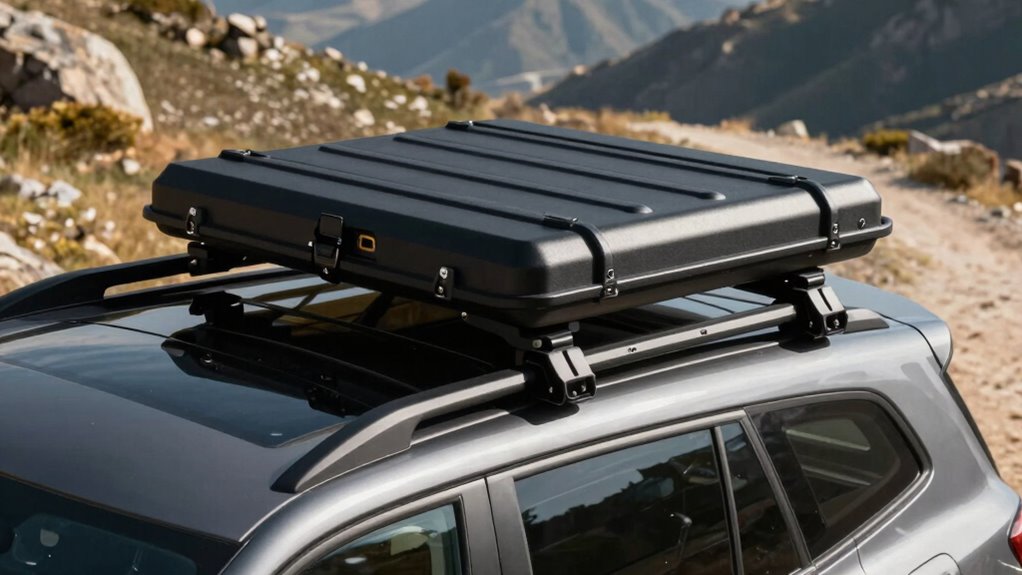
Your choice of cargo carrier should prioritize how you plan to use it and your vehicle’s compatibility over just its size. If you frequently load bulky gear, look for one with easy access and secure locking features. For regular trips in different weather, pick weather-resistant materials that fit your roof rack type. Considering your vehicle’s roof setup and your cargo needs guarantees safe, convenient transportation. Keep exploring to discover how to select the perfect carrier for your lifestyle.

Get garage and car supplies delivered free — and shop member deals
- Fast, free delivery on millions of items
- Access to Prime Big Deal Days deals on October 6–7
- Prime Video, Amazon Music and more included
Key Takeaways
- Vehicle roof type and compatibility determine the suitable cargo carrier, regardless of carrier size.
- The frequency and type of trips influence whether weather resistance or security features are prioritized.
- Vehicle storage capacity and interior space affect the need for larger or more accessible cargo carriers.
- The use of the vehicle (e.g., daily commuting vs. long trips) guides the selection of durable, easy-access carriers.
- The vehicle’s roof rack design and ease of installation influence the choice more than the carrier’s overall size.
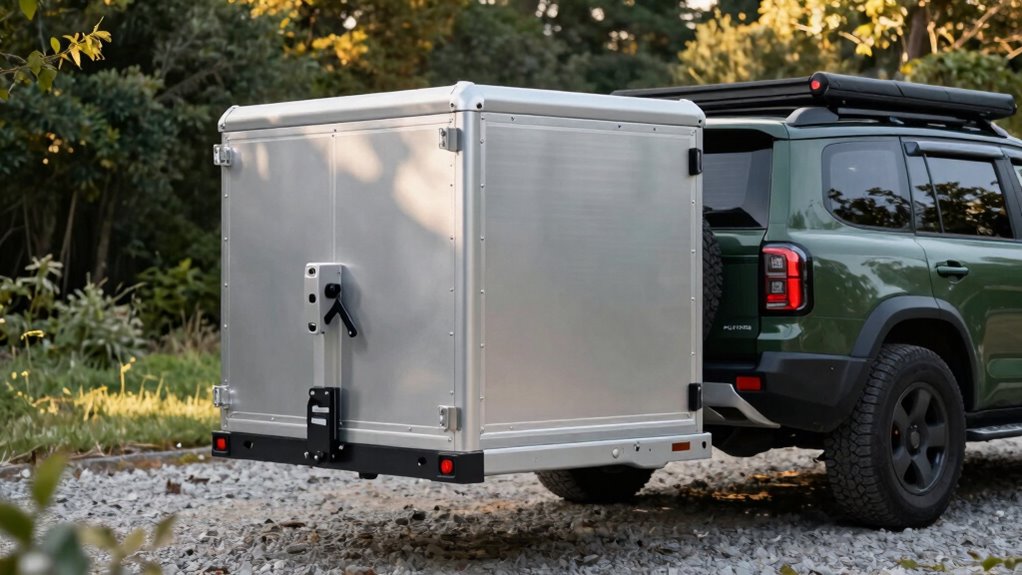
Choosing the right cargo carrier depends largely on how you plan to use your vehicle. You might think size is the main factor, but often, the key lies in compatibility and durability features. If you frequently travel long distances or face unpredictable weather, you’ll want a carrier designed with roof rack compatibility and weather resistant materials. These features ensure your cargo stays secure and protected, no matter the conditions.
Choosing a cargo carrier relies on compatibility and durability, especially for long trips and unpredictable weather.
Start by considering your vehicle’s roof rack compatibility. Not all carriers fit every roof type, so you need to check if your vehicle has a factory-installed roof rack or if you’ll need to install one. Some cargo carriers are designed specifically for crossbars, while others might require adapters or custom fittings. If your vehicle doesn’t have a roof rack, choosing a carrier that’s compatible with your existing setup or one that can be easily installed becomes crucial. Failing to consider compatibility can lead to dangerous situations, like carriers shifting or detaching during transit. Roof rack compatibility is essential for safe and secure transportation.
Weather resistance is another critical factor. Whether you’re heading out in rain, snow, or intense sun, your cargo carrier needs to withstand the elements. Look for carriers made of weather resistant materials such as corrosion-proof plastics, powder-coated metals, or coated aluminum. These materials resist rust and corrosion, ensuring your carrier stays durable over time. Additionally, check for features like sealed seams and weatherproof lids that prevent water from seeping in and damaging your belongings. Investing in a weather resistant carrier means you won’t have to worry about your gear getting wet or damaged, especially on long trips or during unpredictable weather. Proper material selection enhances the longevity and reliability of your cargo carrier, especially in challenging conditions. When selecting materials, it’s also worth considering UV resistance to prevent sun damage over time.
Beyond compatibility and weather resistance, think about how you’ll access your cargo. Some carriers come with easy-to-open lids or locking mechanisms that keep your items secure. If you frequently load and unload, look for carriers with convenient access features. Also, consider how the carrier integrates with your vehicle’s overall use; for example, if you need extra space for skis, bikes, or bulky gear, choose a carrier designed with those specific needs in mind. It’s also helpful to consider installation options that fit your technical comfort level and available tools. Being aware of these options can help you select a carrier that’s both practical and easy to manage.
Ultimately, the best cargo carrier for you isn’t just the biggest or most popular. It’s the one that fits your vehicle’s roof rack, withstands the weather, and suits your travel habits. By focusing on these compatibility and durability factors, you’ll ensure your gear stays safe, secure, and protected, no matter where your adventures take you. Additionally, exploring astrophotography techniques can inspire you to plan even more epic trips to stargazing destinations.
weather-resistant roof cargo carrier
As an affiliate, we earn on qualifying purchases.
As an affiliate, we earn on qualifying purchases.
Frequently Asked Questions
How Do Cargo Carriers Affect Vehicle Fuel Efficiency?
Cargo carriers can decrease your vehicle’s fuel efficiency because they add weight and alter aerodynamics. When you attach a carrier, it increases drag, leading to higher fuel consumption. The more aerodynamic your carrier, the less it impacts fuel efficiency, but generally, expect some reduction. To minimize this, choose a carrier that’s well-designed and lightweight, and remove it when not needed to optimize your vehicle’s fuel economy.
Are Cargo Carriers Compatible With Electric Vehicles?
Yes, cargo carriers can be compatible with electric vehicles, but you need to take into account cargo carrier integration carefully. Make sure the carrier you choose fits your EV’s roof or hitch system and doesn’t interfere with charging ports or sensors. Lightweight options are better to minimize added weight and preserve battery range. Always check the manufacturer’s guidelines for your specific electric vehicle to ensure safe and efficient cargo carrier integration.
What Maintenance Is Required for Different Cargo Carriers?
You need to regularly clean and inspect your cargo carrier to keep it in top shape. For installation tips, make certain all mounting hardware is tight and properly aligned. Cleaning involves wiping down surfaces and removing debris, especially after trips. Maintenance varies: roof-mounted carriers may need more frequent checks for rust or damage, while hitch-mounted carriers benefit from lubrication of moving parts. Staying proactive keeps your carrier secure and extends its lifespan.
Can Cargo Carriers Be Used in All Weather Conditions?
Yes, cargo carriers can be used in all weather conditions, but their weather durability depends on material selection. If you choose a carrier made from waterproof or rust-resistant materials like aluminum or heavy-duty plastics, you’ll get better protection against rain, snow, and UV rays. Regularly check for damage or wear, especially after harsh weather, to guarantee your cargo stays safe and secure regardless of the forecast.
How Secure Are Cargo Carriers Against Theft?
Cargo carriers offer decent security, but their protection depends on your theft deterrents. While locking mechanisms add a layer of safety, they’re not foolproof—determined thieves can still access your gear. Juxtapose convenience with vulnerability, knowing that a sturdy lock and theft deterrents increase security, but always remain cautious. To truly safeguard your cargo, combine locking mechanisms with awareness and additional security measures.
Conclusion
So, next time you’re choosing a cargo carrier, remember—it’s not just about size. Ironically, the carrier that fits your vehicle best might be the one that causes the most hassle or regret. You’d think bigger is better, but sometimes, a smaller carrier perfectly suits your needs and keeps your sanity intact. After all, what’s the point of extra space if it just makes your ride more complicated? Choose wisely, or enjoy the irony!
Fall Picks
fall essentials
As an affiliate, we earn on qualifying purchases.