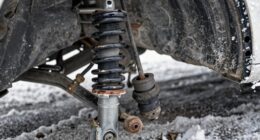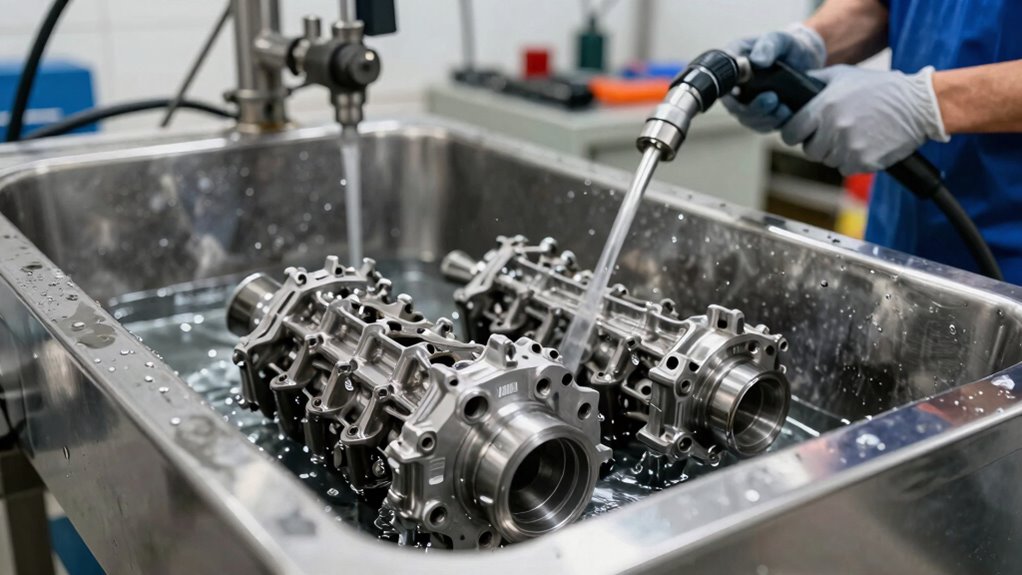

Parts washers improve rebuild work more than expected by speeding up cleaning and ensuring thorough removal of grease, oil, and debris. They uncover hidden issues like corrosion or damage, helping you identify problems early. The use of eco-friendly solutions and automation also increases safety and consistency. This leads to higher quality, more reliable results, and less rework. Keep exploring to discover how these tools can transform your rebuild process even further.

Get business pricing on garage and car supplies
- Business-only prices and quantity discounts
- Tax-exempt purchasing
- Multiple users, one account, clear invoices
Key Takeaways
- They deliver faster, more thorough cleaning, reducing overall rebuild time and increasing throughput.
- Consistent cleaning results uncover hidden issues, preventing future failures and enhancing repair quality.
- Eco-friendly solutions ensure compliance and reduce environmental impact, aligning with regulatory standards.
- Automated controls improve safety and reliability, minimizing chemical handling risks and human error.
- Deep cleaning capabilities improve detection of corrosion and wear, leading to more durable, reliable rebuilt components.
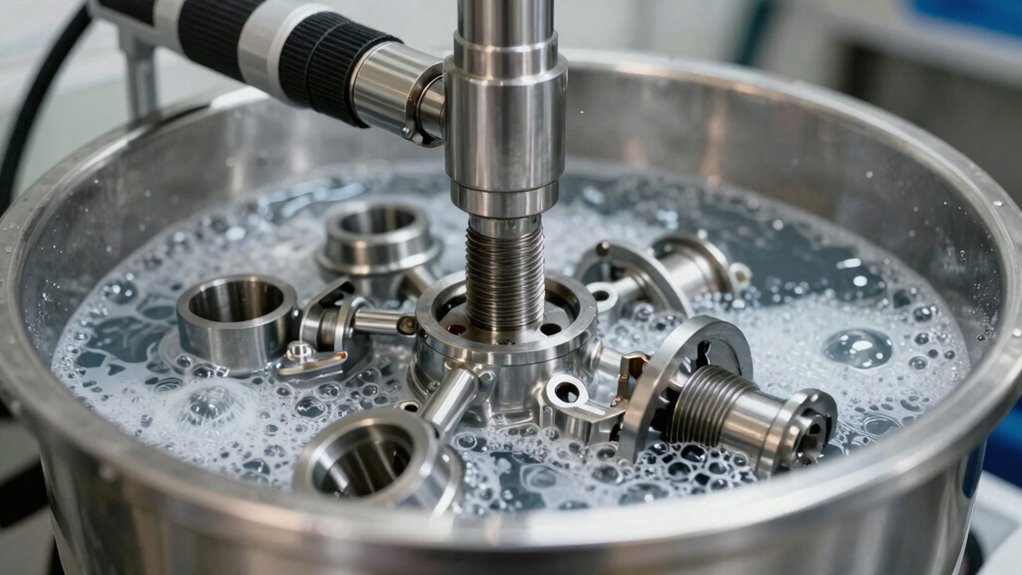
When it comes to rebuilding engines or machinery, clean parts make all the difference, and parts washers are essential tools that streamline this process. They significantly boost your cleaning efficiency by quickly removing grease, oil, and debris that manual scrubbing simply can’t match. This not only saves you time but also ensures that every component is spotless before reassembly, reducing the risk of future failures. The more thoroughly you clean, the better your rebuild’s durability and performance will be.
Clean parts ensure better rebuilds, boosting durability and performance with efficient, thorough cleaning.
Furthermore, modern parts washers are designed with environmental impact in mind. They use eco-friendly cleaning solutions that minimize harmful emissions and waste. Instead of relying on harsh chemicals or wasteful methods, these systems often feature recycling capabilities or biodegradable solvents. This means you’re reducing your facility’s ecological footprint without sacrificing cleaning power. You get the benefit of a cleaner workspace and a greener environment, which is increasingly important in today’s regulatory landscape.
The efficiency of parts washers isn’t just about speed; it’s about consistency. When you use a high-quality washer, you achieve uniform cleaning results across all parts, no matter their complexity or size. This consistency ensures that no grease or grime is missed, which could otherwise compromise the integrity of the rebuild. Plus, with features like heated solutions and agitation, you get deep cleaning that manual methods rarely can deliver. This kind of thoroughness can uncover hidden issues or corrosion that might have gone unnoticed, preventing future breakdowns. Consistent cleaning results are essential for maintaining high standards in rebuild work.
Another advantage is safety. Handling hazardous cleaning chemicals manually exposes you to risks, and improper disposal can harm the environment. Parts washers contain these chemicals within closed systems, reducing exposure and spillage. They also help comply with environmental regulations by controlling waste and emissions. Over time, this reduces your disposal costs and the environmental impact of your operations, making your rebuild process not just more efficient but also more responsible. Additionally, many modern systems incorporate features such as automated controls, which further enhance safety and efficiency during cleaning cycles. Incorporating advanced technology into your cleaning process can also improve overall reliability and ease of operation. Implementing these innovations can lead to reliable performance and peace of mind during every rebuild.
In essence, parts washers are more than just tools—they’re investments in quality, safety, and sustainability. They improve your cleaning efficiency far beyond what manual cleaning can achieve, while also decreasing your environmental impact. You’ll notice faster turnaround times, better component performance, and a cleaner, safer workspace. Incorporating automated cleaning systems into your rebuild process can lead to significant improvements in overall efficiency and environmental compliance. When you do, you’re not just cleaning parts—you’re elevating your entire operation to a higher standard.
parts washer for engine rebuilds
As an affiliate, we earn on qualifying purchases.
As an affiliate, we earn on qualifying purchases.
Frequently Asked Questions
What Types of Contaminants Can Parts Washers Remove Effectively?
Parts washers effectively remove a variety of contaminants, including chemical residues and oil contaminants. You’ll find that they simplify cleaning by breaking down stubborn grease, dirt, and residues left from previous processes. This guarantees parts are thoroughly cleaned, reducing the risk of future issues. By eliminating these contaminants efficiently, parts washers help you achieve higher quality rebuilds, extend part longevity, and improve overall safety during maintenance or repair work.
How Long Does a Typical Parts Washer Cycle Take?
Think of a parts washer like a car wash—its cleaning efficiency is impressive, but the cycle duration varies. Typically, a parts washer cycle takes 5 to 15 minutes, depending on dirt levels and machine type. For example, heavily soiled parts might need a longer cycle, while cleaner parts finish faster. Understanding this helps you plan your work, ensuring you’re not waiting too long or rushing the cleaning process.
Are Parts Washers Environmentally Friendly and Eco-Safe?
Parts washers can be eco-friendly and safe if you choose models that prioritize eco-friendly practices, such as using biodegradable cleaning solutions and minimal chemical waste. Many modern washers utilize chemical alternatives that reduce harmful emissions and environmental impact. By selecting equipment with environmentally conscious features, you help protect the planet while maintaining effective cleaning. This approach guarantees your rebuild work stays efficient without compromising your commitment to sustainability.
Can Parts Washers Be Used for Delicate or Sensitive Components?
Yes, parts washers can be used for delicate or sensitive components if you choose the right model. You need to take into account chemical compatibility and surface sensitivity to avoid damage. Look for washers with gentle cleaning agents and adjustable settings that suit fragile surfaces. This way, you can effectively clean delicate parts without risking corrosion or surface damage, ensuring your rebuild work maintains quality and precision.
What Maintenance Is Required to Keep a Parts Washer Operational?
Your parts washer needs regular maintenance to stay in top shape—otherwise, it’s like a car running without oil. You should regularly check and replace cleaning solutions to guarantee maximum cleaning power. Additionally, keep the equipment calibrated to maintain efficiency and prevent damage. Clean filters and nozzles frequently, and inspect for leaks or wear. Proper upkeep ensures your parts washer keeps working flawlessly and extends its lifespan.
Conclusion
Think of parts washers as the heartbeat of your rebuild process—they keep everything flowing smoothly. With cleaner parts, you’ll notice quicker turnaround times, fewer rework issues, and a boost in overall quality. They’re like a trusted compass guiding your work in the right direction, ensuring every component is ready to perform at its best. Embracing parts washers isn’t just a good idea; it’s the secret ingredient that transforms ordinary rebuilds into extraordinary results.
Halloween Picks
halloween
As an affiliate, we earn on qualifying purchases.