
To set your tire pressures for street, highway, and spirited driving, start by checking your vehicle’s recommended pressure on the driver’s door jamb or owner’s manual. Use a quality gauge to measure cold tires, and adjust to the manufacturer’s specs for regular street driving. For highway or spirited driving, keep within safe limits, slightly increasing pressure for better handling and heat management at high speeds. Maintaining proper pressures guarantees safety, performance, and tire longevity—continue on to learn more about fine-tuning your settings.

Get business pricing on garage and car supplies
- Business-only prices and quantity discounts
- Tax-exempt purchasing
- Multiple users, one account, clear invoices
Key Takeaways
- Find and follow your vehicle’s recommended tire pressure from the driver’s door jamb or owner’s manual.
- Check tire pressures when tires are cold using a quality pressure gauge for accurate readings.
- For street driving, set tires to manufacturer’s recommended pressure for even wear and efficiency.
- During highway or spirited driving, maintain recommended pressure and slightly increase within safe limits for better handling.
- Regularly check and adjust tire pressures to ensure safety, optimal performance, and even tire wear across all driving conditions.

Properly setting your tire pressures is essential for safety, fuel efficiency, and tire longevity. When your tires are inflated correctly, you reduce uneven tire wear, which can lead to premature replacements and compromised handling. Proper pressure also helps maximize fuel efficiency, saving you money at the pump and reducing your vehicle’s carbon footprint. Whether you’re driving on city streets, cruising highways, or tackling spirited backroads, maintaining the right tire pressure is key to a smooth, safe ride.
Maintaining proper tire pressure ensures safety, efficiency, and longer-lasting tires for every drive.
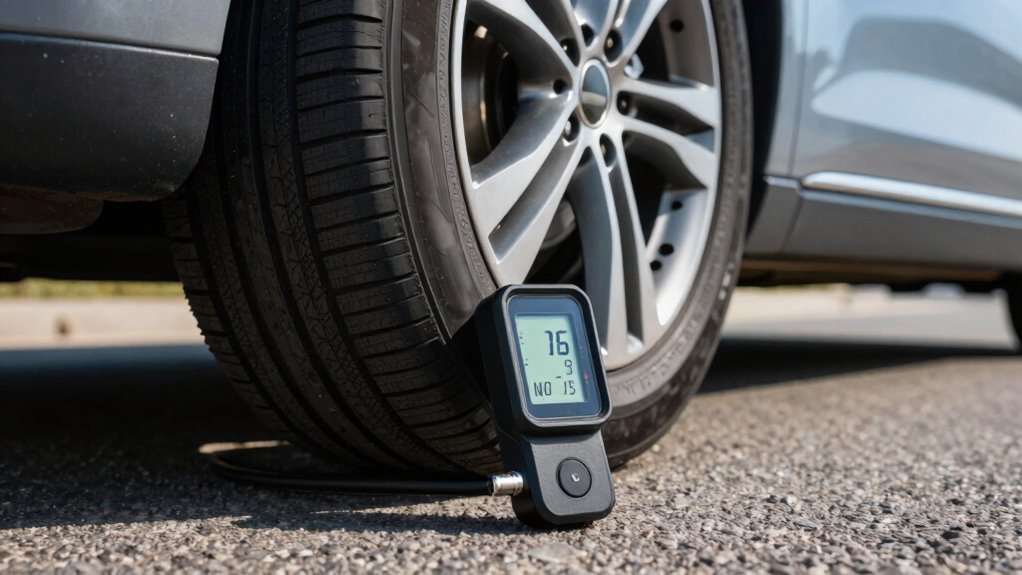
Start by checking your vehicle’s recommended tire pressure, which you’ll find on the driver’s side door jamb or in the owner’s manual. Don’t rely on the pressure indicated by the tire itself, as it can be inaccurate or outdated. Use a quality tire pressure gauge to get an accurate reading. When the tires are cold—meaning the vehicle hasn’t been driven for at least three hours—you can get the most precise measurement. If you’re topping off or adjusting pressures, do so when the tires are cold for consistency.
For street driving, you want to set your tires to the manufacturer’s recommended pressure. This ensures even tire wear and maximizes fuel efficiency. Under-inflated tires increase rolling resistance, which means your engine has to work harder, consuming more fuel. Over-inflated tires, on the other hand, can lead to a harsher ride and uneven wear, especially in the center of the tread. Regularly check your pressures at least once a month and before long trips to stay on top of proper inflation. Maintaining correct tire pressure is also a vital part of vehicle maintenance that can improve your driving experience. Additionally, understanding the importance of proper tire pressure**** can help you make informed decisions about maintaining optimal vehicle performance.
On highways or during spirited driving, maintaining correct tire pressures becomes even more critical. Higher speeds generate additional heat, which can cause under-inflated tires to overheat and fail prematurely. Keep your pressures at the recommended level to ensure better handling, reduced tire wear, and maximum fuel efficiency. When driving aggressively, slightly increasing pressure within safe limits can help improve grip and responsiveness, but never exceed the maximum pressure marked on the tire sidewall. Additionally, understanding the importance of proper tire pressure can help you make informed decisions about maintaining optimal vehicle performance. Regularly checking tire pressures helps prevent unsafe driving conditions, especially during high-speed or spirited driving.
Consistently maintaining proper tire pressure not only enhances safety and driving performance but also extends the life of your tires. It helps prevent uneven tire wear, which can lead to costly replacements down the line. By making a habit of checking and adjusting your tire pressures regularly—especially as seasons change or after heavy loads—you’re protecting your vehicle and your wallet. Proper tire pressure is a small effort with significant benefits, keeping your driving safe, efficient, and smooth no matter the road ahead.
As an affiliate, we earn on qualifying purchases.
Frequently Asked Questions
How Often Should I Check My Tire Pressures?
You should check your tire pressures at least once a month. Use a pressure gauge to get accurate readings, and don’t forget to inspect the tire valve for leaks or debris. Before checking, make sure your tires are cold for the most precise measurement. Regular checks help maintain safety, fuel efficiency, and tire longevity, especially if you often drive on different road types or spiritedly.
Can Overinflating Improve Handling?
Overinflating your tires can temporarily improve handling because it stiffens the sidewalls, giving you more responsiveness. However, this is a Tire pressure myth; overinflation risks include uneven tire wear, reduced traction, and increased blowout chances. Instead, stick to the recommended pressure for your vehicle, adjusting for driving conditions. Proper tire pressure ensures safety, longevity, and peak handling without risking damage from overinflation.
What Signs Indicate Low Tire Pressure?
Imagine your tires as a balloon losing its breath—if they appear visibly sagging or feel softer when you press down, that’s a sign of low tire pressure. Tire pressure sensors alert you to subtle drops, but seasonal tire adjustments are essential as temperatures change. You might also notice uneven tire wear or your steering feels less responsive, indicating it’s time to check and inflate your tires properly for safety and peak performance.
How Do Temperature Changes Affect Tire Pressure?
Temperature fluctuations directly impact your tire pressure because air expands when it’s hot and contracts when it’s cold. You’ll notice pressure stability decreases in extreme weather changes, causing your tires to lose or gain pressure unexpectedly. To maintain peak performance, check your tire pressure regularly, especially during seasonal shifts. Adjust your pressures accordingly to guarantee safety, better fuel efficiency, and tire longevity despite these temperature variations.
Is It Necessary to Adjust Pressure for Different Load Weights?
Adjusting your tire pressure for different load weights is like tuning an instrument—you want everything just right. When load variations increase, you should bump up the pressure slightly to prevent uneven tread wear and maintain ideal handling. Underinflated tires can cause uneven tread wear and reduce lifespan, especially under heavier loads. Always check your vehicle’s recommended pressure and adjust accordingly to guarantee safety and maximize tire performance.
Conclusion
Maintaining the right tire pressure isn’t just about safety—it can actually improve your driving experience and fuel efficiency. Some say overinflating tires boosts handling, but the truth is, sticking to manufacturer recommendations provides the best balance of grip and comfort. Regularly checking and adjusting your pressures ensures your tires perform effectively across street, highway, or spirited drives. Think of it as giving your car the care it needs, turning every ride into a smoother, safer adventure.
Halloween Picks
halloween
As an affiliate, we earn on qualifying purchases.