Smoke testing beats guessing because it gives you clear, visual evidence of boost leaks, saving you time and effort. Instead of relying on assumptions, you introduce smoke into the system, and it escapes through leaks, revealing their exact location. This precise method helps prevent small problems from turning into costly repairs and keeps your turbocharger running smoothly. If you want to discover how this simple fix can improve your engine’s performance, keep exploring.

Get business pricing on garage and car supplies
- Business-only prices and quantity discounts
- Tax-exempt purchasing
- Multiple users, one account, clear invoices
Key Takeaways
- Smoke testing visually confirms leak locations, eliminating guesswork and increasing diagnostic accuracy.
- It quickly identifies small leaks before they cause significant engine or turbo damage.
- The non-invasive process saves time and reduces unnecessary disassembly compared to traditional methods.
- Smoke testing assesses leak severity, helping prioritize repairs effectively.
- It provides a cost-effective, proactive approach to maintaining engine efficiency and turbo lifespan.
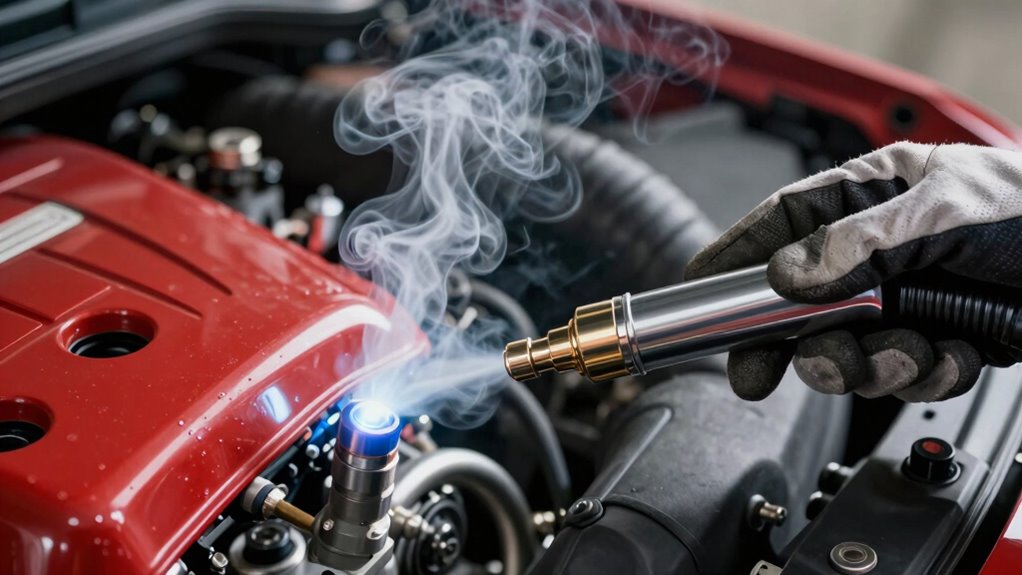
Have you ever wondered how to quickly identify leaks in your system before they turn into costly repairs? When boost leaks appear, they can wreak havoc on your engine’s performance and lead to unnecessary expenses. Instead of relying on guesswork, smoke testing offers a precise, effective way to find those elusive leaks. This method isn’t just about confirming a suspicion; it’s about pinpointing the exact problem area, saving you time and money in the long run. When it comes to turbocharger maintenance, smoke testing becomes even more vital, as leaks in the boost system can considerably impact the turbo’s efficiency. By detecting leaks early, you guarantee your turbocharger operates at peak performance, extending its lifespan and keeping your engine running smoothly.
Using smoke testing for boost leaks provides a clear advantage over traditional methods, which often involve guesswork or unverified observations. With this technique, you introduce a smoke-generating compound into the intake or boost system. As the smoke circulates, it escapes through any leaks, visibly revealing their locations. This visual confirmation makes it easier to assess the severity of each leak, allowing you to prioritize repairs. It’s a quick, non-invasive process that can be performed on most engines without extensive disassembly. This is especially beneficial when performing engine performance analysis, as it helps you understand how boost leaks are affecting overall power, throttle response, and fuel efficiency. Additionally, smoke testing is a cost-effective diagnostic tool, which aligns with the importance of early leak detection in maintaining engine health and preventing costly repairs. Incorporating biodiversity and conservation principles into your maintenance routine can promote a more sustainable approach to vehicle upkeep, reducing waste and environmental impact.
Furthermore, understanding the fundamentals of engine systems enhances your ability to interpret the results of smoke testing accurately. Relying solely on engine performance analysis without smoke testing can leave you blind to the root cause of performance issues. For example, a slight boost leak might cause the engine to run lean or trigger fault codes, but without visual confirmation, you might spend hours chasing other potential problems. Smoke testing streamlines this process, giving you concrete evidence of where the problem lies. It’s a proactive approach that helps you catch small leaks before they escalate into major repairs or damage your turbocharger. Plus, by maintaining a routine inspection with smoke testing, you stay ahead of potential issues, guaranteeing your system remains airtight and efficient. Recognizing the significance of proper diagnostics can significantly improve your maintenance outcomes and extend the lifespan of your vehicle.
In essence, smoke testing isn’t just about fixing leaks; it’s about adopting a smarter, more dependable approach that enhances turbocharger maintenance and engine performance analysis. It’s a straightforward way to diagnose boost leaks accurately, so you can address them swiftly and keep your engine performing at its best. Why guess when you can see the problem clearly? Smoke testing empowers you to take control of your engine’s health, preventing costly repairs and ensuring peak performance every time.
Products Worth Considering

Milwaukee 2697-22 M18 18-Volt Lithium-Ion Cordless Hammer Drill/Impact Driver XC Combo Kit (2-Tool)
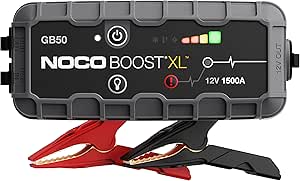
NOCO Boost GB50 1500A UltraSafe Jump Starter, 12V Lithium Battery Booster

Chemical Guys 16-Piece Arsenal Builder Car Wash Kit with Foam Cannon & Bucket
As an affiliate, we earn on qualifying purchases.
Frequently Asked Questions
How Does Smoke Testing Differ From Other Leak Detection Methods?
Smoke testing differs from other leak detection methods like visual inspection and pressure testing because it quickly reveals leaks by introducing smoke into the system. You can easily see where the smoke escapes, pinpointing leaks precisely. Unlike pressure testing, which measures pressure drops, smoke testing provides immediate visual confirmation, making it more efficient and less time-consuming for detecting even small leaks in boost systems.
What Tools Are Commonly Used for Smoke Testing in Boost Systems?
When you’re smoke testing boost systems, you’ll typically rely on tools like smoke machines, which produce visible vapor to locate leaks. For more precision, dye penetrant and ultrasonic inspection are useful—dye penetrant highlights cracks, while ultrasonic detects leaks through sound waves. You’re better off hitting two birds with one stone by combining these tools, rather than guessing. It’s a surefire way to pinpoint leaks accurately and save time.
Can Smoke Testing Identify All Types of Boost Leaks?
Smoke testing is effective for turbocharged diagnostics and improving engine performance, but it can’t identify all boost leaks. Some small or hidden leaks might be missed, especially if they’re in hard-to-see areas. While it’s a reliable method to locate many leaks quickly, you should combine it with other diagnostic tools for thorough results. This approach ensures you catch even the sneakiest boost leaks, optimizing your engine’s performance.
How Often Should Smoke Testing Be Performed on Boost Systems?
You should perform smoke testing on your boost system regularly, ideally during routine scheduling or maintenance intervals. Doing so helps with leak prevention by catching small issues early before they become costly repairs or cause performance issues. Depending on your vehicle’s usage and conditions, monthly or quarterly testing is recommended. Consistent testing ensures your boost system remains sealed, reliable, and functioning effectively, preventing unexpected failures and maintaining peak performance.
What Are the Safety Precautions for Conducting Smoke Tests?
Think of smoke testing like a safety net—you must protect yourself first. Always wear safety gear such as gloves and goggles, and guarantee proper ventilation procedures are in place to avoid inhaling fumes. I once skipped these precautions and felt dizzy; now I know better. Keep the area well-ventilated, use appropriate safety gear, and never rush the process. These steps keep you safe while diagnosing boost leaks effectively.
Conclusion
Think of smoke testing as your trusty lighthouse, guiding you safely through the fog of boost leaks. Instead of guessing your way in darkness, you shine a clear beam that reveals trouble spots instantly. With this approach, you avoid costly detours and dead ends, steering straight toward a reliable fix. Don’t let uncertainty steer your ship—use smoke testing as your beacon to keep your engine running smooth and your journey trouble-free.