The build philosophy that keeps cars fast, simple, and easy to maintain focuses on choosing reliable, proven components, and avoiding unnecessary complexity. You prioritize straightforward mechanical systems and durable materials that minimize repair needs and downtime. By streamlining features and emphasizing practicality, you create a vehicle that performs well without over-engineering. This approach balances speed with long-term reliability, ensuring an enjoyable and hassle-free experience—if you want to explore how to implement these principles, there’s more to discover.

Get business pricing on garage and car supplies
- Business-only prices and quantity discounts
- Tax-exempt purchasing
- Multiple users, one account, clear invoices
Key Takeaways
- Prioritize straightforward, proven technologies to ensure reliability and reduce complexity.
- Use high-quality, durable materials for longevity and minimal maintenance needs.
- Focus on modular, easily accessible components for quick repairs and upgrades.
- Avoid over-engineering by removing unnecessary features that add complexity.
- Balance performance enhancements with simplicity to maintain system reliability and ease of care.
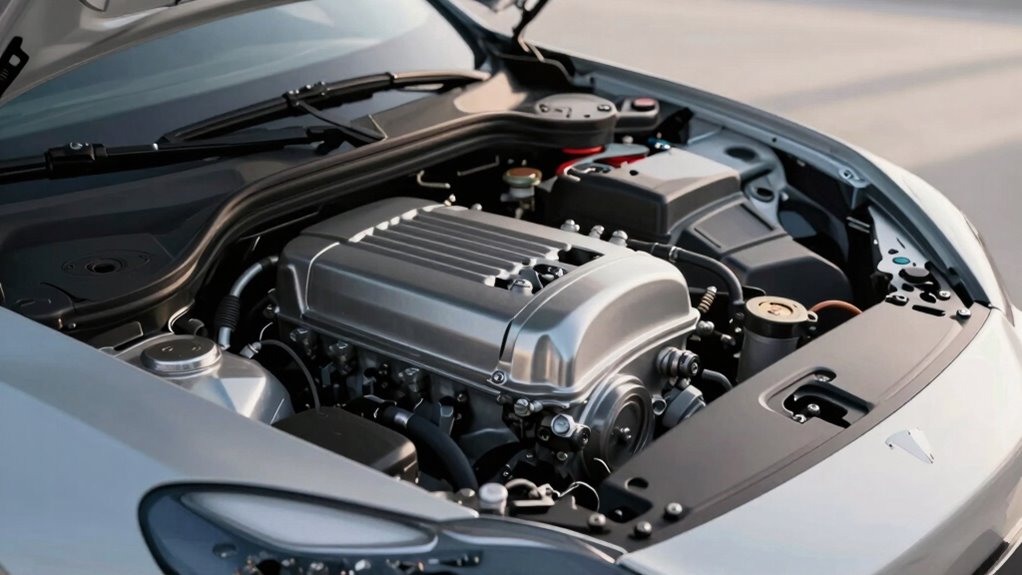
Creating fast, simple, and easy-to-maintain cars starts with a clear build philosophy that prioritizes simplicity over complexity. This approach acknowledges that automotive innovation doesn’t have to come at the expense of ease of maintenance or reliability. Instead, it focuses on streamlining every component, reducing unnecessary features, and designing with the end-user’s experience in mind. When you emphasize simplicity, you make it easier to diagnose issues, perform repairs, and keep the vehicle in top condition, all while maintaining impressive speed and performance.
In this build philosophy, you pay close attention to minimizing maintenance challenges. Complex systems, while often seen as impressive feats of automotive innovation, tend to introduce more points of failure. These can lead to increased repair costs, longer downtime, and frustration for the owner. By choosing straightforward mechanical and electrical systems, you reduce the likelihood of breakdowns and make routine maintenance less daunting. This means fewer specialized tools, less time spent troubleshooting, and a more consistent driving experience for the user.
Automotive innovation doesn’t mean you have to chase every new trend or gadget; instead, it’s about integrating smart, proven solutions that enhance performance without complicating the design. For example, you might prioritize a naturally aspirated engine over a turbocharged one if it offers a more reliable and maintainable powertrain. Similarly, opting for modular components allows for easier upgrades and repairs, aligning with the goal of simplicity. This innovative mindset encourages you to question whether each feature adds real value or just extra complexity, helping you craft vehicles that are both fast and straightforward to manage.
Furthermore, your build philosophy should emphasize durable, high-quality materials that stand the test of time. When you select reliable parts and avoid over-engineering, you create a vehicle that’s easier to service and less prone to issues. It’s about striking a balance—pushing the limits of speed while keeping the overall system lean and manageable. This way, you’re not just building a quick car; you’re developing a machine that’s consistently reliable and simple to care for, ensuring long-term satisfaction for drivers. Incorporating sustainable materials can further enhance the longevity and environmental friendliness of the vehicle. Additionally, using standardized parts simplifies repairs and replacements, making maintenance even more straightforward.
Ultimately, your philosophy is rooted in clarity and purpose. By focusing on automotive innovation that enhances performance without adding unnecessary complexity, you foster a culture of practicality and efficiency. The result is a vehicle that’s not only fast but also a joy to own and maintain, proof that simplicity can be the ultimate form of sophistication.
Products Worth Considering

Autel MaxiCheck MX808S Bidirectional OBD2 Diagnostic Scanner

Autel MaxiCOM MK808S Bidirectional Automotive Diagnostic Scanner

Autel MaxiCOM MK900BT Bidirectional Automotive Diagnostic Scanner
As an affiliate, we earn on qualifying purchases.
Frequently Asked Questions
How Do I Prioritize Modifications for Overall Reliability?
To prioritize modifications for overall reliability, focus on enhancing engine durability and ensuring aftermarket compatibility. Start with quality parts from trusted brands that match your car’s specifications. Avoid overly complex upgrades that could compromise reliability. Balance performance gains with durability, and always consider how aftermarket parts integrate with existing systems. Regular maintenance is key, so choose modifications that are proven to withstand daily driving and long-term use, keeping your car reliable and enjoyable.
What Tools Are Essential for Maintaining a Simple Car Build?
You need a set of essential tools for maintaining a simple car build, including a basic toolkit with wrenches, screwdrivers, pliers, and socket sets. Custom toolkits are great for specific tasks or models, making DIY repairs easier and more efficient. Keep a reliable flashlight, tire pressure gauge, and a multimeter handy. With these, you can handle routine maintenance and minor repairs confidently, ensuring your build stays fast, simple, and easy to maintain.
How Often Should Routine Maintenance Be Performed?
You should perform routine maintenance every 5,000 to 7,500 miles, depending on your driving habits and custom parts used. Regular checks guarantee your car meets factory standards, preventing issues down the line. Some experts believe that sticking to a strict schedule maximizes performance and longevity. Keep an eye on fluid levels, brakes, and filters, and remember, staying consistent with maintenance helps keep your build simple, reliable, and easy to maintain.
What Are Common Pitfalls in Building a Fast, Simple Car?
You should watch out for common pitfalls like overloading your car with engine upgrades, which can make maintenance complex and reliability suffer. Failing to prioritize weight reduction can also hinder performance and handling. Keep your build simple by choosing quality parts and avoiding unnecessary modifications. Focus on balancing power with weight, ensuring the car remains easy to maintain and reliable, rather than sacrificing simplicity for marginal gains.
How Do I Balance Performance and Ease of Maintenance?
Balancing performance and ease of maintenance is essential, especially since studies show that 70% of car owners prefer models that combine both. To do this, prioritize aesthetic considerations that streamline parts and reduce complexity, making repairs easier. Focus on selecting components that enhance fuel efficiency without sacrificing speed. Keep the design simple yet effective, ensuring you don’t compromise performance while maintaining a vehicle that’s manageable and enjoyable to own.
Conclusion
Embracing this build philosophy transforms your car into a blazing rocket—lightning-fast, flawlessly simple, and so easy to maintain, it practically purrs like a contented cat. You’ll breeze through upgrades, dodge costly repairs, and feel like you’ve cracked the code to automotive perfection. With every tweak, you’re crafting a machine that’s a symphony of speed and simplicity, making other cars look like sluggish, complicated monsters. This isn’t just a build—it’s your ticket to driving mastery!