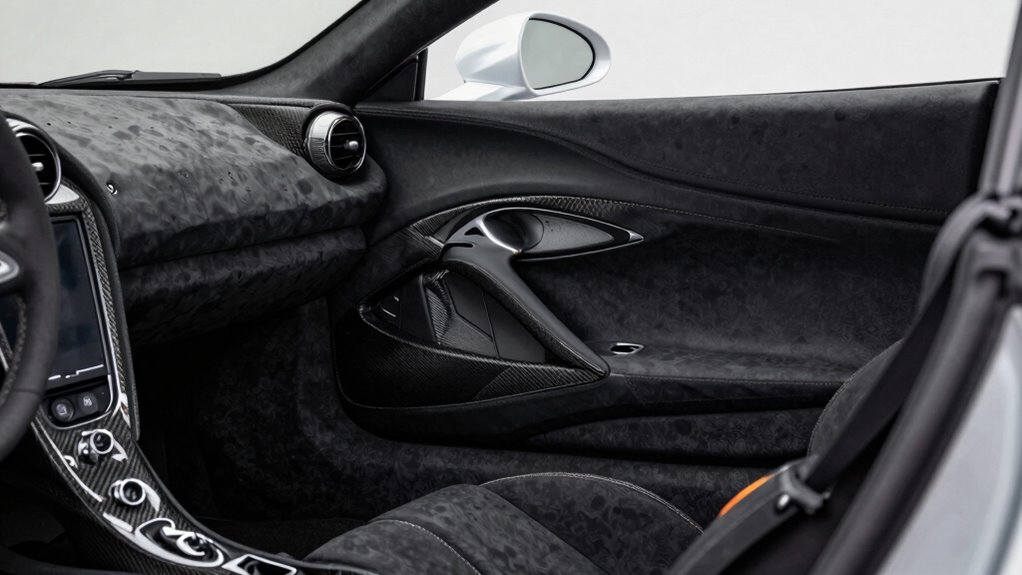

Upgrading your performance car with sound deadening materials can make a huge difference in comfort. You’ll block out engine hum, road noise, and wind sounds, making the cabin quieter and more peaceful. Proper insulation also enhances audio quality and reduces fatigue on long drives. By choosing lightweight, eco-friendly materials and ensuring proper installation, you’ll enjoy a smoother, more livable ride. Keep exploring to discover the best techniques and materials for your upgrade.

Get business pricing on garage and car supplies
- Business-only prices and quantity discounts
- Tax-exempt purchasing
- Multiple users, one account, clear invoices
Key Takeaways
- Effective soundproofing reduces engine, road, and wind noise, increasing cabin comfort during high-performance driving.
- Vibration damping materials minimize panel rattles and structural stress, creating a smoother, quieter ride.
- Selecting lightweight, easy-to-install soundproofing materials ensures effective noise reduction without adding excessive weight.
- Eco-friendly insulation options enhance sustainability while maintaining durability and thermal efficiency.
- Improved sound deadening enhances audio clarity, reduces fatigue, and transforms noisy rides into more comfortable driving experiences.
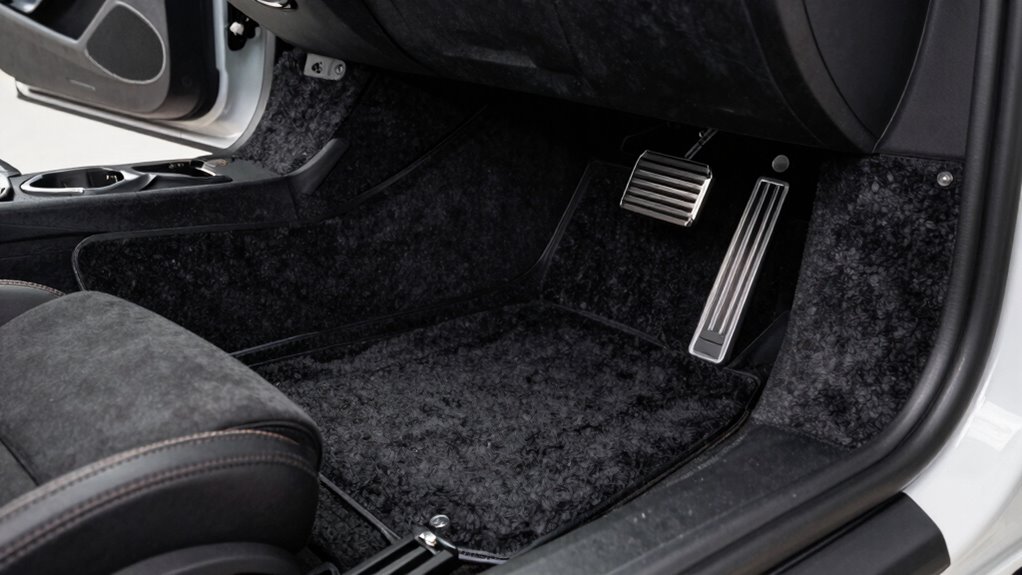
If you’re tired of outside noise ruining your driving experience, upgrading your car’s sound deadening is a smart move. Performance cars often prioritize speed and handling, but without proper soundproofing, the cabin can become noisy and uncomfortable. To make your ride more livable, you need to focus on installing quality soundproofing materials that effectively reduce noise infiltration. These materials act as a barrier, blocking out engine hum, road noise, and wind sounds, so your cabin stays quieter and more comfortable.
Upgrade your car’s soundproofing to reduce noise and enhance comfort on every drive.
Vibration damping is a vital aspect of this upgrade. When your car’s panels vibrate, they amplify noise, creating that droning or rattling sound that can make even short trips tiring. By applying vibration damping materials to key areas like the floor, doors, and trunk, you absorb these vibrations before they turn into noise. This not only quiets the cabin but also minimizes the stress on your vehicle’s structure, leading to a smoother ride. When choosing soundproofing materials, look for products specifically designed for automotive use; they’re usually lightweight, easy to install, and highly effective at absorbing vibrations. Additionally, selecting materials that are designed for automotive applications ensures better performance and longevity.
Installing soundproofing materials isn’t overly complicated, but it requires careful attention. You want to guarantee the materials are securely attached without gaps, as any openings can let noise seep through. The process involves removing interior panels and applying damping sheets or mats directly to metal surfaces. These mats reduce vibrations by converting kinetic energy into heat, effectively damping panel resonance. Once the damping mats are in place, adding soundproofing foam or mass-loaded vinyl can further block out high-frequency sounds, creating a layered barrier against noise intrusion. Furthermore, understanding the importance of biodiversity in our environment can inspire more sustainable choices when selecting soundproofing materials, such as those made from eco-friendly or recycled components. Incorporating sustainable materials not only benefits the environment but can also improve the overall durability of your upgrades. In addition, considering the thermal properties of soundproofing materials can help maintain a comfortable cabin temperature while reducing noise.
The benefits extend beyond noise reduction. When your car is better insulated, you’ll notice an improvement in audio quality from your stereo system because external noise no longer competes with your music. Plus, a quieter cabin makes conversations easier and reduces fatigue during long drives. While it might seem like a minor upgrade, investing in quality soundproofing materials and vibration damping can transform your driving experience from a noisy, stressful ride into a peaceful retreat. It’s a smart, practical way to enhance your car’s comfort and make your performance vehicle truly more livable.
As an affiliate, we earn on qualifying purchases.
Frequently Asked Questions
How Much Does a Sound Deadening Upgrade Typically Cost?
A sound deadening upgrade usually costs between $200 and $600, depending on your material selection and installation techniques. You might choose budget-friendly materials like mass-loaded vinyl or spray-on soundproofing, or go for higher-end options for better performance. Installation techniques also impact cost—DIY can save money, but professional installation guarantees ideal results. Overall, investing in quality materials and proper techniques substantially enhances cabin comfort and noise reduction.
Will Sound Deadening Affect My Car’s Warranty?
Sound deadening usually won’t void your warranty if installed correctly, but it’s wise to check your manufacturer’s policies first. Think of it as adding a cozy blanket—protective and harmless when done properly. Keep in mind, if poorly installed, it might cause warranty implications or impact resale value. To stay safe, consider professional installation and keep detailed records, ensuring your upgrade enhances comfort without risking your car’s integrity.
How Long Does the Installation Process Take?
The installation of sound deadening usually takes about 4 to 8 hours, depending on your vehicle’s size and the extent of interior work. This process enhances interior comfort by applying noise reduction techniques, which minimize road and engine noise. You’ll want to set aside a full day for the installation or have it done over multiple sessions. The result is a quieter, more comfortable ride that improves your driving experience.
Can Sound Deadening Be Removed Easily Later?
Sure, removing sound deadening is pretty straightforward—if you enjoy DIY soundproofing adventures. You can peel it away, but be warned: it’s often messy and sticky, making sound deadening removal a bit of a chore. While it’s technically doable, don’t expect it to be quick or spotless. If you plan to switch back and forth, consider the effort involved, but know you can always remove it later if needed.
Does Sound Deadening Improve Fuel Efficiency?
Sound deadening can slightly improve fuel efficiency by reducing interior noise, allowing you to drive more comfortably at lower engine speeds. Better interior acoustics mean you won’t need to push the engine as hard, which conserves fuel. Noise reduction also minimizes vibrations that can strain the vehicle’s components over time. While the main benefit is comfort, improved acoustics and noise reduction can contribute to more efficient driving habits, indirectly aiding fuel economy.
Conclusion
Upgrading your car’s sound deadening is like giving it a peaceful oasis amid a noisy city. It transforms your ride into a sanctuary, muffling the chaos and amplifying serenity. With this simple upgrade, your daily drive becomes a smooth, quiet voyage, making every journey feel like a luxury cruise. So, take the plunge—turn your performance car into a haven of calm where every mile is a gentle whisper, not a roar.
Halloween Picks
halloween
As an affiliate, we earn on qualifying purchases.