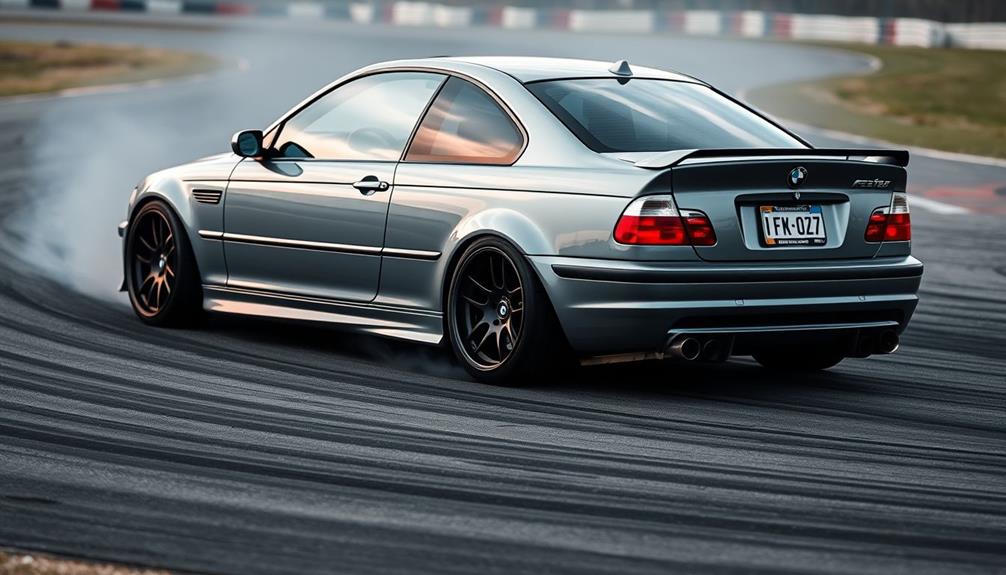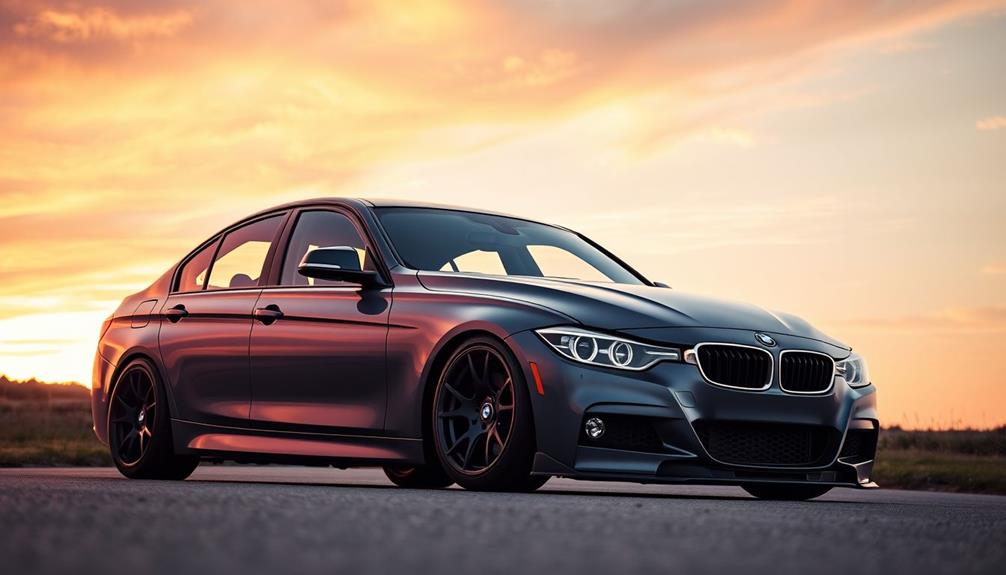

Tuning your 2014 BMW 320i can really ramp up its power and performance. By upgrading your ECU with a BMS Stage 1 tune, you can boost your horsepower from 181 HP to around 241 HP, cutting your 0-60 mph time to just 6.1 seconds. Consider adding a performance exhaust for improved sound and airflow, and a K&N panel filter to maximize efficiency. Regular maintenance and higher octane fuel will keep your engine running strong after tuning. With the right tweaks, your 3 Series can become a true powerhouse. Discover more about specific modifications and techniques to elevate your ride's performance.

Get business pricing on garage and car supplies
- Business-only prices and quantity discounts
- Tax-exempt purchasing
- Multiple users, one account, clear invoices
Key Takeaways
- ECU tuning can increase your BMW 320i's horsepower to approximately 241 HP and improve torque to 258 lb.ft.
- With proper tuning, the 0-60 mph time can be reduced to around 6.1 to 6.3 seconds.
- Performance exhaust systems enhance sound and airflow, significantly improving throttle response.
- Combining a K&N Panel Filter with ECU tuning can further boost airflow and engine efficiency.
- Regular maintenance and using higher octane fuel will ensure optimal performance and engine longevity after tuning.
Performance Modifications Overview
When it comes to enhancing your 2014 BMW 320i, performance modifications can make a noticeable difference in both power and driving experience. One of the most effective ways to achieve this is through performance tuning, particularly with ECU tuning.
By upgrading your engine's software, you can expect a significant power increase, boosting your horsepower to around 241 HP and torque to 258 lb.ft. This improvement translates to impressive acceleration times, getting you from 0-60 mph in just 6.1 to 6.3 seconds.
Incorporating a performance exhaust system or opting for a muffler delete not only enhances your vehicle's sound but also improves airflow and throttle response, leading to better fuel consumption.
While a full cold air intake might seem appealing, the stock airbox generally suffices for most tuning applications. However, if you're looking for that extra edge, consider chip tuning combined with performance parts like a cat-back exhaust and intercooler.
This combination can yield substantial gains in horsepower and torque, especially in Stage 2 setups. Remember, regular maintenance and using higher octane fuel post-tuning can further optimize your engine's performance and longevity.
Tuning Techniques and Tools

For those looking to maximize their BMW 320i's performance, understanding tuning techniques and tools is fundamental. Tuning your 320i can elevate its power output from 181 HP to about 241 HP, especially with Stage 1 options available for around $600.
One effective method is using the Powergate tuning tool, which connects easily to your engine control unit (ECU) for full customization of engine parameters. This enhances throttle response and enhances drivability.
Chip tuning is another popular approach, allowing you to make deeper adjustments to vital parameters like boost pressure, fuel injection, and ignition timing. This method provides more reliable performance enhancements compared to traditional piggyback tunes.
To further improve performance, consider combining a performance intake—like a K&N Panel Filter—with ECU tuning. This combination boosts airflow and efficiency, essential for turbocharged engines like the N20 in your 320i.
The tuning process often involves monitoring engine data and making iterative adjustments, ensuring you achieve peak performance while staying compliant with emission standards. By utilizing these techniques and tools, you'll reveal your BMW 320i's true potential.
Community Insights and Experiences

In recent years, the BMW 320i tuning community has blossomed, becoming a hub for enthusiasts keen to share their experiences and insights.
If you're considering tuning your 320i, you'll find a wealth of information on various modifications and their impacts on performance. Many users recommend the BMS Stage 1 tune, highlighting its ability to boost power to around 241 HP and 258 lb.ft of torque.
This tune is praised for improving throttle response and greatly reducing 0-60 mph times to about 6.1 to 6.3 seconds.
Here are three popular modifications discussed within the community:
- Intercooler Installations: Many enthusiasts report enhanced engine cooling and improved driving dynamics after upgrading their intercoolers.
- Air Intake Modifications: Upgrading your air intake can complement the BMS Stage 1 tune, contributing to better airflow and performance.
- Performance Exhaust Systems: Upgrading to performance exhaust systems not only increases power but also enhances the overall sound of your BMW.
Frequently Asked Questions
How Much Horsepower Does a Tuned 320I Have?
A tuned 320i typically achieves around 241 HP after Stage 1 tuning and can reach approximately 280 HP with Stage 2. This boosts your acceleration and overall performance, making your driving experience much more exhilarating.
How Much HP Does a 2014 BMW 320I Make?
The 2014 BMW 320i produces 180 horsepower and 200 lb-ft of torque from its turbocharged 2.0-liter engine. This efficient setup delivers a smooth driving experience, making it a solid choice for performance-minded drivers.
What Is the Performance of the BMW 320I 2014?
Imagine the 320i as a nimble dancer, gliding effortlessly across the stage. You'll feel its 180 horsepower propel you from 0 to 60 mph in 7.1 seconds, showcasing its impressive agility and performance on the road.
How Much Horsepower Does a BMW 320I Twinpower Turbo Have?
The BMW 320i's TwinPower Turbo engine delivers 180 horsepower and 200 lb-ft of torque. With tuning, you can greatly boost performance, reaching up to 240 horsepower, enhancing both acceleration and overall driving experience.
Conclusion
In summation, tuning your 2014 BMW 320i can elevate its performance like a well-tuned symphony, harmonizing power and precision. By implementing the right modifications and techniques, you'll transform your 3 Series into a thrilling driving experience. Embrace the community insights to guide your journey, and soon you'll feel the difference in every turn and straightaway. Get ready to release the full potential of your ride—it's time to hit the road with newfound excitement! If you’re unsure of where to start, look no further than expert advice on how to tune BMW 328i 2015. With the right guidance, you can unlock the untapped power of your vehicle and achieve the ultimate driving experience. Take the time to research and educate yourself on the best practices and modifications, and soon you’ll be reaping the rewards of a finely-tuned BMW 3 Series.
Halloween Picks
halloween
As an affiliate, we earn on qualifying purchases.