TL;DR

Get business pricing on garage and car supplies
- Business-only prices and quantity discounts
- Tax-exempt purchasing
- Multiple users, one account, clear invoices
Vintage Modern founder and CEO Chau Nguyen says some celebrity clients seeking classic-car styling do not want the reliability and usability problems of vintage vehicles. In an interview with The Drive, he described the company’s approach: modernized vehicles designed to look classic, with FMVSS certification and crash testing cited by The Drive as part of its model.
Vintage Modern founder and CEO Chau Nguyen says demand from wealthy buyers, including celebrities, has helped shift his business from conventional restorations toward vehicles that preserve classic styling while using modern engineering. In an interview on The Drivecast, Nguyen said many customers want the appearance of an old car without its reliability and usability problems; The Drive reported that the company’s vehicles are FMVSS-certified and crash-tested.
Nguyen described his company’s concept as a modernized, classic-inspired vehicle rather than a traditional restomod. He told The Drivecast hosts that he had owned several older vehicles, including a Ford Bronco, an FJ40 Toyota Land Cruiser, a Mustang and an H1 Hummer. They shared a familiar appeal, he said: they looked good. They also brought persistent problems, which shaped his view of what buyers actually want from a classic-car-inspired vehicle.
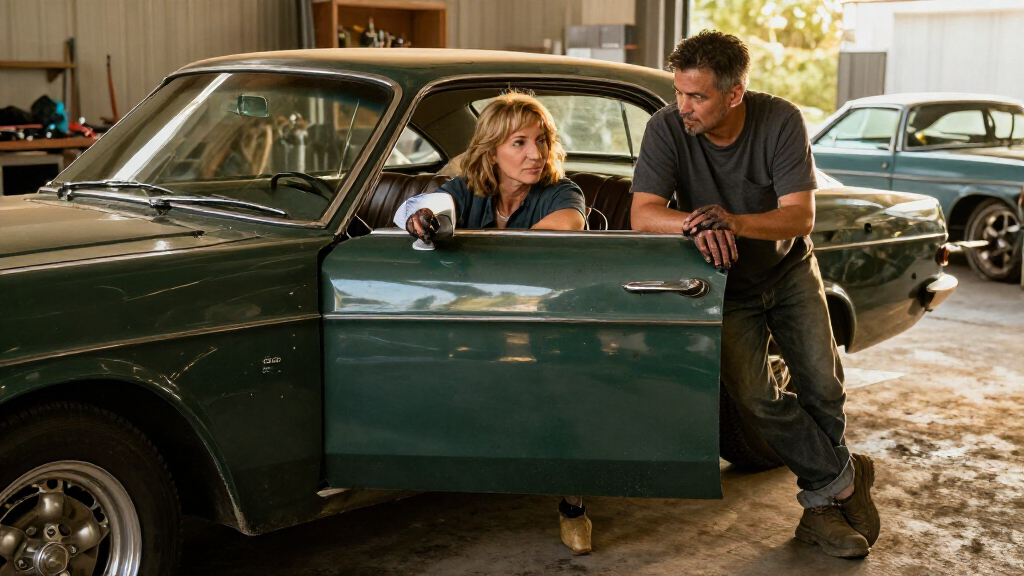
“For the person who just wants a classic looking car, but no compromise on everything else,” Nguyen said, Vintage Modern set out to build what he called a “fully modernized classic inspired luxury car.” He said modern drivers have grown accustomed to contemporary reliability and technology, and that the experience of owning an old vehicle can fall short of the nostalgic image. The Drive’s report describes the company’s work as reverse restomods: making newer vehicles look and feel old, rather than updating an original classic.
The business grew out of traditional restorations, according to The Drive. The report recounts that Nguyen delivered a conventional restoration to basketball star LeBron James and later worried about the responsibility he would bear if the vehicle were involved in a serious crash. Nguyen’s concern about occupant safety, alongside reliability, helped push him toward a different approach. The Drive says Vintage Modern’s vehicles are crash-tested and certified to Federal Motor Vehicle Safety Standards, although the supplied report does not specify the models, tests or certification details.
Classic Styling, Modern Safety
The development points to a customer preference that challenges the premise of traditional restoration: some buyers may value the look of a classic more than the experience of driving an old vehicle. Nguyen’s account suggests there is a market for preserving familiar shapes and design cues while avoiding breakdowns and other compromises associated with vintage machinery.
Safety is also a business and responsibility issue, not just a feature in the pitch. Nguyen told The Drivecast he worried about the consequences if a customer were hurt in one of his builds. The Drive’s description of crash-tested, FMVSS-certified vehicles distinguishes the company’s stated approach from projects that focus on appearance or performance without the same reported certification process. The available material does not establish how the vehicles compare with modern production cars in particular safety tests.
For readers considering a restomod or a classic-inspired vehicle, the distinction matters: a classic appearance does not by itself reveal what vehicle platform, safety equipment or certification supports the finished build. Nguyen’s account puts those questions alongside styling and reliability when buyers evaluate the category.
Products Worth Considering

Chemical Guys 17-Piece Car Detailing Kit for Interior, Wheels, and Exterior

Chemical Guys 10-Piece Car Wash Kit with Foam Gun

Chemical Guys 14-Piece Arsenal Builder Car Wash Kit with Foam Blaster
As an affiliate, we earn on qualifying purchases.
From Restorations to Reverse Restomods
The Drive characterizes the high-end restoration business as competitive and booming, and says Vintage Modern began with work that turned 1960s and 1970s Ford Broncos into celebrity status symbols. The company later moved toward a different proposition: retaining the old-fashioned appearance while using a modern vehicle as the basis for the finished product.
In the interview, host Kyle Cheromcha discussed the compromises of maintaining an original 1988 Chevrolet Blazer, including difficulty with emissions testing. He said he had considered fitting a modern LS engine after those frustrations, although he had initially wanted the vehicle to remain as close to its original factory condition as possible. That exchange framed the difference between keeping a classic original and making an older-looking vehicle easier to live with.
The Drivecast interview also covered the challenges of building these vehicles, including why a body swap is not as simple as it may sound and how the company sought to turn online attention into a sustainable business. The source material does not provide detailed production figures or financial results.
““They all looked cool. And the other thing they all had in common was they were all very problematic.””
— Chau Nguyen, Vintage Modern founder and CEO, speaking on The Drivecast
Certification and Build Details
The report does not identify the specific vehicle models covered by the FMVSS certification claim, explain which standards or crash tests apply, or provide test results. It also does not give production volumes, prices, delivery times or a breakdown of how much of each build is new versus adapted from an existing vehicle.
Nguyen’s account describes the preferences and concerns he has encountered among his customers, but the source provides no customer survey or sales data showing how widespread those preferences are among celebrity buyers or the wider market. The claim that celebrities want the classic look without the old-car experience is therefore best understood as Nguyen’s business observation, not a measured industry-wide finding.
More Detail on the Build Process
The Drivecast episode, featuring Nguyen with hosts Kyle Cheromcha and Joel Feder, is the next source for listeners seeking more detail on the company’s approach. The Drive says the conversation examines reverse restomods, body swaps and how Vintage Modern sought to turn viral attention into an ongoing business.
The supplied report does not announce a new model, production target or launch date. Further information about individual vehicles, safety tests and certification would help readers assess how the company’s claims apply to specific builds. Until those details are available, the confirmed development is the company’s stated focus on classic-inspired styling paired with modernized vehicles, as described by Nguyen in the interview.
Key Questions
What does Vintage Modern build?
Founder Chau Nguyen describes the company’s vehicles as modernized, classic-inspired luxury cars. The Drive characterizes the approach as a reverse restomod: using modern vehicles to deliver an older visual style.
Why does Nguyen say customers choose this approach?
Nguyen says buyers may want a classic car’s appearance without the reliability and usability problems he experienced with older vehicles. That is his account of customer demand; the source does not include market-wide survey data.
Are Vintage Modern vehicles crash-tested?
The Drive reports that Vintage Modern builds are crash-tested and FMVSS-certified. The source material does not identify the specific models, tests, results or certification documentation.
What role did LeBron James play in the company’s shift?
The Drive recounts that Nguyen delivered a traditional restoration to LeBron James and later worried about the safety responsibility involved. The report presents that concern as one factor behind Nguyen’s interest in a more modernized approach.
How much do the vehicles cost, and when are they available?
The supplied report gives no prices, delivery estimates or production numbers. Those details remain unclear from the material provided.
Source: thedrive.com