TL;DR

Get business pricing on garage and car supplies
- Business-only prices and quantity discounts
- Tax-exempt purchasing
- Multiple users, one account, clear invoices
A week-long test of the 2026 Volvo EX90 led The Drive’s Andrew P. Collins to praise its single physical seat-adjustment switch, which changes functions through a center button. Collins said the layout felt natural, while criticizing the EX90’s similar window controls because they require switching between front and rear windows.
A week-long test of the 2026 Volvo EX90 found one element of its minimalist cabin that worked especially well: a single physical seat-adjustment switch that handles several functions. The Drive’s Andrew P. Collins said the control felt natural and ranked it highly among the seat controls he has used, even as he criticized the SUV’s similar system for operating its windows.
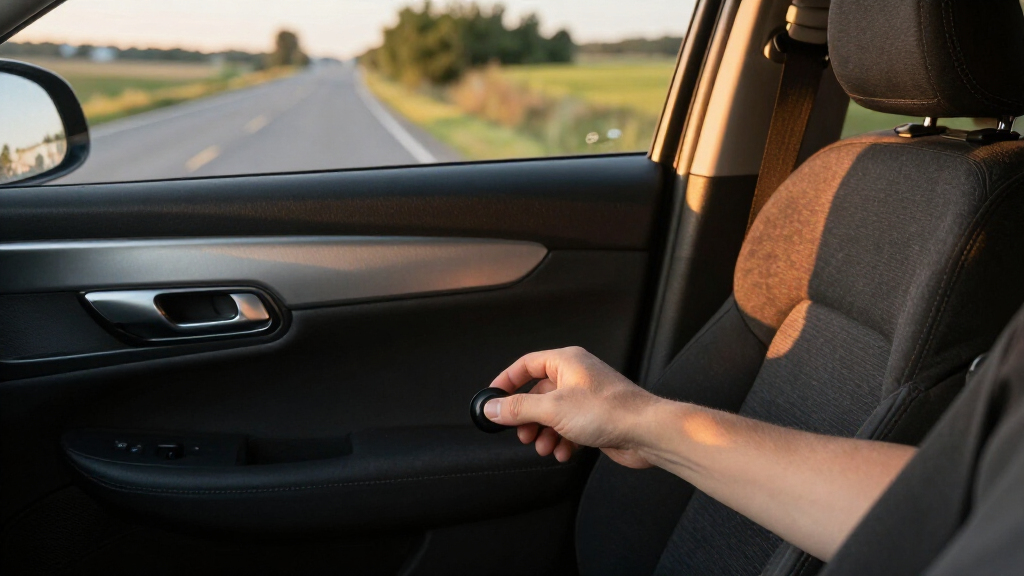
In the EX90, one square switch handles the seat’s up-and-down and forward-and-back movement. Pressing the button at its center changes the control’s function to adjust seat tilt and lumbar support. Collins reported that massage options, when fitted, appear in the vehicle’s main-screen menu. The physical switch itself is the focus of his praise; the source does not provide technical details about its mechanism or availability across EX90 versions.
Collins compared the arrangement with the more numerous buttons found in many luxury cars, which commonly use separate switches for moving the seat base and backrest. After driving what he described as hundreds of cars and adjusting their seats, he called the EX90 control his favorite in a while. That judgment is his personal assessment from a road test, not a measured comparison or a broader owner survey.
The reviewer was less positive about the EX90’s window switches. The car has four power windows but, according to the report, two switches that must be toggled between front and rear windows. Collins said he disliked having to change the controls’ assignment, particularly because he frequently adjusts the rear windows while driving with his dog. He also said Volvo’s original-equipment dog seatbelts felt robust, but did not provide further testing findings in this report.
One Switch, Two Different Results
The report highlights how reducing physical controls can improve one task while making another more cumbersome. Seat position is often adjusted before a drive and left alone, Collins argued, so combining several seat functions in one control did not interrupt his routine. Window controls are used more frequently during a trip, making the extra step to switch between front and rear windows more noticeable to him.
For readers considering the EX90, the distinction is practical: a streamlined cabin does not automatically mean every control is easier to use. Collins’s experience suggests that the design should be judged by how often a task is performed and how readily a driver can make the adjustment, rather than by the number of buttons alone. The report is one reviewer’s account and does not establish how other drivers will respond.
Products Worth Considering

VIOFO A229 Plus 2K Front and Rear Dash Cam with Dual STARVIS 2 Sensors and HDR
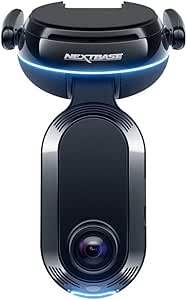
Nextbase iQ 4K Smart HD Dash Cam Pro with 64GB microSD Card – Front and Rear View, 1440p, Smart Sense Parking, Emergency SOS, Roadwatch AI

Chemical Guys 14-Piece Arsenal Builder Car Wash Kit with Foam Blaster
As an affiliate, we earn on qualifying purchases.
The source describes a broader minimalist approach to the EX90’s cabin controls, with the seat and window switches both assigning multiple functions to a smaller number of physical controls. Collins speculated that fewer buttons may have been chosen partly to reduce construction costs, but the report does not cite Volvo confirming that motive. Cost-cutting should therefore be treated as the reviewer’s possibility, not an established explanation for the design.
Collins’s assessment was mixed after a week testing the EX90. He praised the seat switch but said the window arrangement detracted from his overall view of the vehicle’s minimalist interface. His comments are a review of the controls’ usability, not a report of a recall, defect finding, or change to Volvo’s production plans.
“It feels very natural.”
— Andrew P. Collins, The Drive
What the Test Does Not Establish
The report records one journalist’s experience and does not include feedback from other drivers, usability testing, or owner data. It also does not say whether the seat switch is identical across all EX90 trims, how the controls perform over long-term use, or whether Volvo has changed the layout in later vehicles. Collins raised cost reduction as a possible reason for fewer buttons, but Volvo’s rationale is not confirmed in the source material.
The report offers limited detail on other EX90 controls and does not provide the broader results of the week-long test. The dog seatbelts are mentioned, but their strength is not supported here by specifications or independent testing. No safety finding or product update is reported.
Further EX90 Test Findings
Collins indicated that he would discuss more of his week-long EX90 test in later coverage, including additional impressions of the vehicle and its dog seatbelts. The source does not give a date for that follow-up. Until further reporting or owner evidence is available, the seat switch’s strong usability assessment—and the window controls’ drawbacks—remain the observations of one reviewer.
Key Questions
What did The Drive praise about the 2026 Volvo EX90?
Reviewer Andrew P. Collins praised the seat-adjustment switch, saying its combined functions felt natural to use during his week-long test.
How does the EX90 seat switch work?
The square physical switch moves the seat up, down, forward, and backward. Its center button changes the control to seat tilt and lumbar adjustment. The report says massage options appear on the main screen when the vehicle is equipped with them.
Why did the reviewer dislike the window controls?
The EX90 has four power windows but two switches, according to the report. Drivers must toggle the switches between front and rear windows, which Collins found inconvenient because he often adjusts the rear windows during trips.
Did Volvo confirm that the simplified controls were designed to cut costs?
No. Collins suggested that fewer buttons may reduce construction costs, but the source does not report Volvo confirming that explanation.
Source: thedrive.com