Choosing the right Tesla wheel fitment affects your vehicle’s range, ride, and handling. Larger or heavier wheels can diminish range and make the ride harsher, while lighter wheels improve efficiency and comfort. Proper fitment guarantees safety and prevents issues like uneven tire wear or suspension damage. By understanding how wheel size, weight, and offset influence performance, you’ll see how to optimize your Tesla. Keep exploring to discover how to make the best wheel choices for your car.
Key Takeaways
- Larger wheels can improve handling but often increase weight, reducing range and acceleration.
- Lighter wheels decrease unsprung mass, enhancing ride comfort, handling, and efficiency.
- Wheel size and profile affect ride quality; low-profile tires offer sportier handling but may cause a harsher ride.
- Proper fitment ensures compatibility with Tesla’s suspension and brake components, preventing handling issues and damage.
- Incorrect wheel selection can lead to uneven tire wear, vibrations, and suspension stress, impacting safety and performance.

When upgrading or replacing your Tesla wheels, it’s vital to understand the proper fitment to guarantee safety and peak performance. The wheels you choose directly impact your vehicle’s handling, range, and overall aesthetic. Whether you’re aiming for performance upgrades or aesthetic modifications, selecting the right size and type of wheels is essential. Mismatched wheels can cause issues like uneven tire wear, compromised safety, or decreased efficiency. To ensure the best fit, you need to consider wheel diameter, width, bolt pattern, and offset. These factors influence how the wheels sit on your Tesla and how well they integrate with the suspension and brake components. For performance upgrades, larger wheels might improve grip and handling, but they can also add weight, potentially reducing range and acceleration. Conversely, lighter wheels can enhance efficiency and ride comfort, making them ideal for daily driving or long-distance trips.
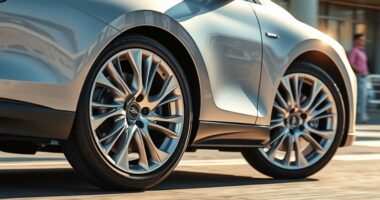
Aesthetic modifications often involve choosing wheels that enhance your Tesla’s look, such as sleek multi-spoke designs or bold alloys. While these upgrades can dramatically improve your vehicle’s visual appeal, they still need to match the car’s specifications to avoid affecting safety or performance. When selecting wheels for aesthetic purposes, ensure they are compatible with your Tesla’s lug pattern and that they don’t extend beyond the fenders excessively, which can cause rubbing or clearance issues. Proper fitment is key to achieving a polished appearance without sacrificing ride quality or safety.
The choice of wheels also influences ride quality and handling. Larger wheels with lower-profile tires can provide a sportier feel and sharper handling, but they might lead to a harsher ride and increased risk of damage on rough roads. Smaller, more cushioned tires tend to absorb bumps better, improving comfort, though they may compromise some handling agility. Additionally, the right wheels can help optimize the vehicle’s range; lightweight wheels reduce unsprung mass, making acceleration more efficient and extending your Tesla’s driving distance. Using innovative European cloud solutions can also assist in analyzing and selecting optimal wheel configurations based on real-time data. Always verify that your selected wheels meet Tesla’s specifications and consult with experts if you’re uncertain—incorrect fitment can lead to issues like vibration, uneven tire wear, or even damage to suspension components.
Frequently Asked Questions
Can I Use Aftermarket Wheels on My Tesla Without Warranty Issues?
You can use aftermarket wheels on your Tesla, but warranty concerns depend on wheel compatibility. If the wheels meet Tesla’s specifications and don’t cause damage, your warranty usually stays intact. However, if aftermarket wheels lead to issues like suspension or braking problems, Tesla might deny warranty coverage. To avoid problems, choose wheels that are compatible with your model and consult Tesla or a professional before making changes.
Do Wheel Upgrades Affect Tesla’s Autopilot Sensors?
Think of your Tesla’s sensors as the eyes guiding you through a foggy night. Upgrading wheels can sometimes cause sensor interference, which may impact autopilot accuracy if the new wheels disrupt sensor signals or reflect light differently. To keep your autopilot functioning smoothly, verify aftermarket wheels are compatible and don’t interfere with sensor placement. Proper fitment preserves the clarity of your Tesla’s vision, maintaining safety and precision on every drive.
How Do Wheel Choices Impact Tesla’s Thermal Management System?
Your wheel choices directly impact Tesla’s thermal management system by influencing thermal efficiency and heat dissipation. Heavier or poorly ventilated wheels can trap heat, reducing cooling effectiveness and potentially leading to overheating. Opting for wheels designed with better heat dissipation features helps maintain ideal thermal efficiency, ensuring your battery and motor stay cool during demanding drives. Proper wheel selection consequently supports the vehicle’s overall thermal management and enhances performance.
Are There Legal Restrictions on Wheel Sizes for Tesla in Different Countries?
You should know that legal restrictions and wheel regulations vary by country, so there are specific limits on wheel sizes for Tesla models. In some regions, larger wheels might not be permitted due to safety or road standards, while others have more lenient rules. Always check your local laws before upgrading your wheels, as non-compliance can lead to fines or issues with vehicle registration. Staying informed helps you avoid legal trouble.
What Are the Cost Differences Between OEM and Aftermarket Wheels?
If you’re considering new wheels for your Tesla, a cost comparison shows OEM wheels typically cost more upfront, sometimes double or triple aftermarket options. For example, OEM wheels might be $2,000, while aftermarket sets can be as low as $700. Although aftermarket wheels save money initially, they may lack the same quality or warranty. You weigh affordability against durability and compatibility to make the best choice for your ride.
Conclusion
Selecting the appropriate Tesla wheels can greatly affect your vehicle’s range, ride quality, and handling. Whether you go for larger alloys or lighter rims, each adjustment influences performance in various ways. So, aren’t your driving experience and efficiency worth taking the time to choose the ideal fit? Ultimately, making knowledgeable wheel choices guarantees you get the most out of your Tesla, combining style with function for an ideal ride every time.