
When installing emission-control bypass parts, you must consider legal regulations that vary by location. Bypassing emission controls can violate federal and state laws, risking hefty fines, vehicle impoundment, or even criminal charges. Enforcement agencies actively monitor and penalize illegal modifications, and your vehicle’s compliance status depends on your adherence. Understanding regional laws and consulting professionals can help you stay legal. Keep going to learn more about how to navigate these complex rules safely and responsibly.

Get garage and car supplies delivered free — and shop member deals
- Fast, free delivery on millions of items
- Access to Prime Big Deal Days deals on October 6–7
- Prime Video, Amazon Music and more included
Key Takeaways
- Installing bypass parts may violate federal and state emission laws, leading to fines or vehicle impoundment.
- Altering emission controls can cause your vehicle to fail inspections and become illegal to operate.
- Enforcement agencies like the EPA actively monitor and penalize unauthorized modifications.
- Regulations vary by region; what’s legal locally might be illegal elsewhere, affecting travel and registration.
- Consulting professionals ensures compliance and helps avoid legal penalties associated with emission bypass parts.
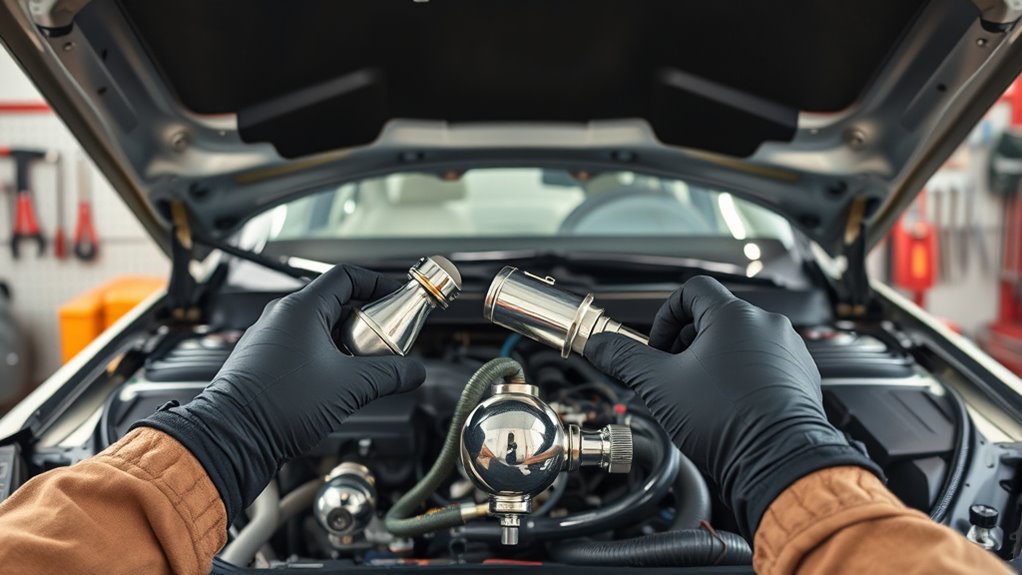
When considering the installation of emission-control bypass parts, it’s vital to understand the legal landscape surrounding these modifications. Many jurisdictions enforce strict emission regulations designed to limit pollutants released into the environment. These rules are in place not only to protect air quality but also to guarantee vehicles meet specific standards before they hit the road. Bypassing or disabling emission controls can violate these regulations, leading you into serious legal trouble. If you’re caught operating a vehicle with bypass parts installed, you could face hefty fines, vehicle impoundment, or even criminal charges, depending on your location. Ignoring emission regulations isn’t just risky from an environmental standpoint; it can also jeopardize your legal standing and financial well-being.
Installing emission-control bypass parts can lead to legal trouble, hefty fines, and vehicle impoundment. Stay compliant to avoid penalties.
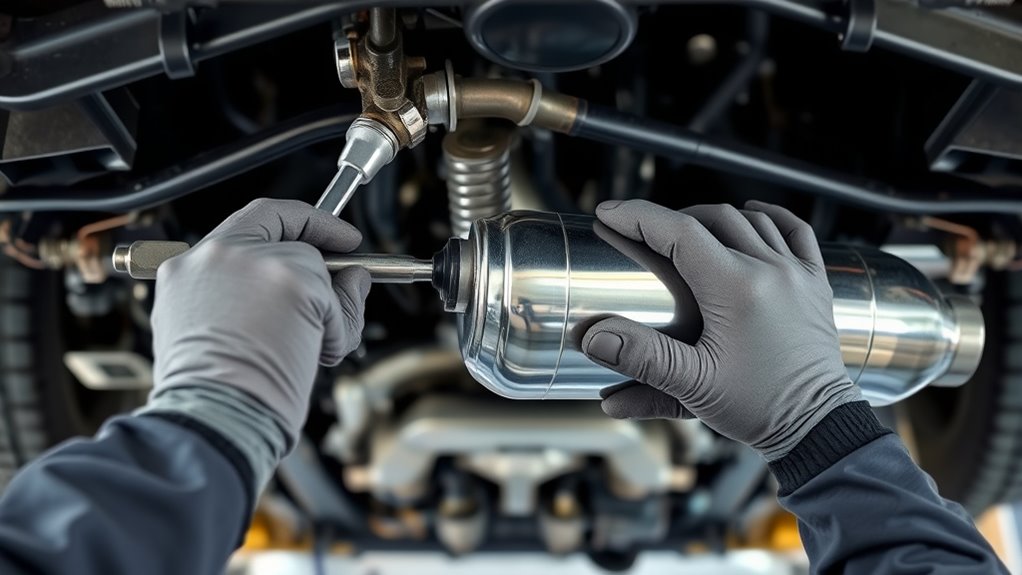
It’s important to realize that authorities actively monitor and enforce emission standards. Agencies like the Environmental Protection Agency (EPA) in the United States have clear regulations prohibiting tampering with or removing emission control devices. Installing bypass parts typically involves altering or disabling components like catalytic converters, EGR valves, or oxygen sensors. Such modifications often violate federal and state laws, especially when they cause your vehicle to emit pollutants beyond permitted levels. The legal penalties for non-compliance can be severe, including substantial fines, mandatory vehicle inspections, and even criminal charges if the violations are egregious. Furthermore, these penalties aren’t limited to just financial consequences—your vehicle could be deemed illegal to operate, leading to additional costs for repairs or reinstatement. Additionally, the presence of spoiled or modified parts can further complicate compliance and inspection processes.
Understanding the potential legal risks helps you make informed decisions about vehicle modifications. Many car enthusiasts are tempted to install bypass parts to boost performance or reduce maintenance costs, but it’s vital to weigh these benefits against the risks of legal penalties. If you’re planning modifications, check the specific emission regulations applicable in your area. Some jurisdictions have strict enforcement policies, while others may offer limited leniency. Remember, even if bypass parts are legal in one region, they might not be in another, especially if you plan to travel or register your vehicle elsewhere.
Ultimately, avoiding illegal modifications is the safest way to protect yourself from legal penalties and guarantee your vehicle remains compliant with emission standards. If you’re unsure about the legality of certain parts or modifications, consult with a qualified professional or local authorities. Staying within the law not only preserves your driving privileges but also contributes to cleaner air and a healthier environment. Ignoring emission regulations might seem convenient now, but the long-term consequences can be costly and disruptive. Play it safe, stay informed, and prioritize legal compliance when considering any modifications to your vehicle’s emission system.
Frequently Asked Questions
Can I Install Bypass Parts on a Leased Vehicle Legally?
You can’t legally install bypass parts on a leased vehicle without risking breach of your lease agreement. Many lease contracts prohibit tampering with emissions systems, and installing bypass parts could void manufacturer warranties. Before making any modifications, check your lease terms and consult the leasing company. Doing so guarantees you avoid potential penalties or charges for unauthorized alterations, and keeps your vehicle compliant with legal and warranty requirements.
Are There Specific States With Stricter Bypass Regulations?
You might be surprised, but some states enforce stricter bypass restrictions than others. States like California, Massachusetts, and New York have tight regulations and hefty penalties for illegal bypassing. State regulations vary widely, so it’s essential to check local laws before installing bypass parts. Ignoring these restrictions can lead to fines or vehicle rejection during inspections. Always stay informed about your state’s specific regulations to avoid unexpected legal trouble.
How Do I Ensure Aftermarket Bypass Parts Meet Federal Standards?
To guarantee your aftermarket bypass parts meet federal standards, you should verify that they are certified for emission testing compliance. Check for EPA approval or certification labels on the parts, and consult manufacturer documentation. Always stay informed about current regulations to avoid legal issues. Properly approved parts help maintain your vehicle’s emissions performance and ensure your modifications are legally compliant across different states.
What Are the Penalties for Illegal Bypass Installation?
If you install illegal bypasses, you risk hefty penalties that can hit like a ton of bricks. Authorities enforce strict emission testing and legal compliance, and violations can lead to hefty fines, vehicle registration issues, or even criminal charges. You don’t want to be caught in the crossfire of environmental laws. Stay on the right side of the law to avoid costly consequences and keep your vehicle running smoothly and legally.
Can I Reinstall Original Emission Parts After Bypass Modifications?
Yes, you can reinstall original emission parts after bypass modifications. Doing so helps you maintain legal compliance and guarantees your vehicle passes emission testing. Reinstalling the factory components restores your vehicle’s emissions system to its proper functioning, reducing the risk of legal issues and penalties. Always keep original parts handy and consult local regulations to avoid violations, especially when aiming for legal compliance during emissions testing.
Conclusion
Steering emission-control bypass parts is like walking a tightrope—you need to stay balanced with legal rules. If you ignore the regulations, you risk falling into costly penalties or legal trouble. Stay informed, follow the law, and keep your vehicle in check. Think of legal compliance as the safety net beneath you—without it, one misstep can lead to a big fall. So, tread carefully and prioritize staying on the right side of the law.
Halloween Picks
halloween
As an affiliate, we earn on qualifying purchases.