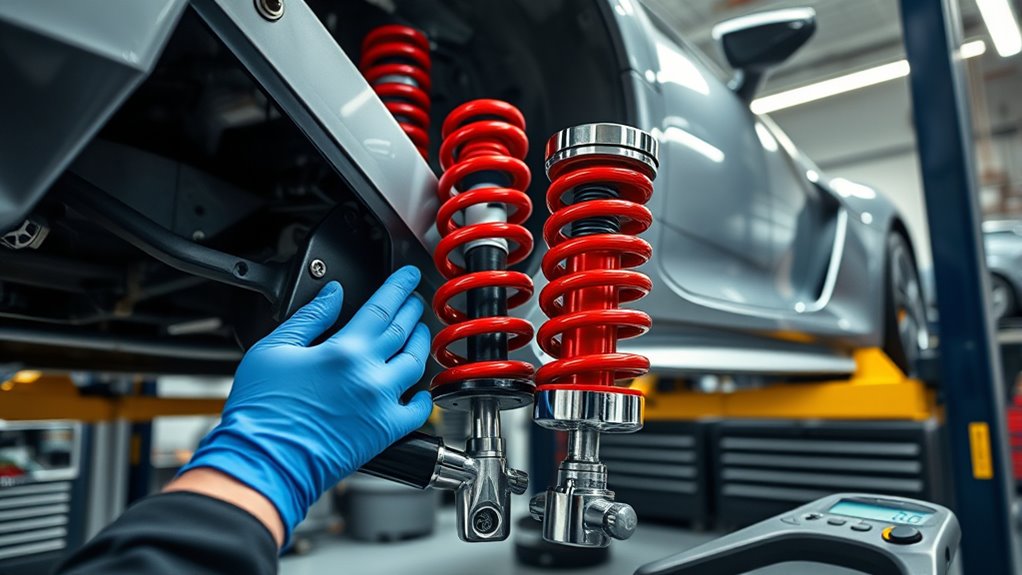

After suspension modifications, you should have your vehicle undergo a thorough safety inspection to make sure everything’s properly installed and functioning. This includes checking the suspension components for secure fit, inspecting brake systems for responsiveness, verifying alignment, and confirming that all modifications meet local safety regulations. It’s also important to evaluate overall stability and ensure no issues affect your vehicle’s safety or legality. Continuing along, you’ll learn more about the specific inspection steps needed to keep your vehicle roadworthy.

Get business pricing on garage and car supplies
- Business-only prices and quantity discounts
- Tax-exempt purchasing
- Multiple users, one account, clear invoices
Key Takeaways
- Verify suspension modifications comply with local safety and vehicle regulations.
- Inspect suspension components for proper installation, wear, and damage during the safety check.
- Assess vehicle stability and handling to ensure suspension changes haven’t compromised safety.
- Conduct brake system and steering inspections to confirm overall roadworthiness post-modification.
- Document all modifications and inspection results to ensure legal compliance and future reference.
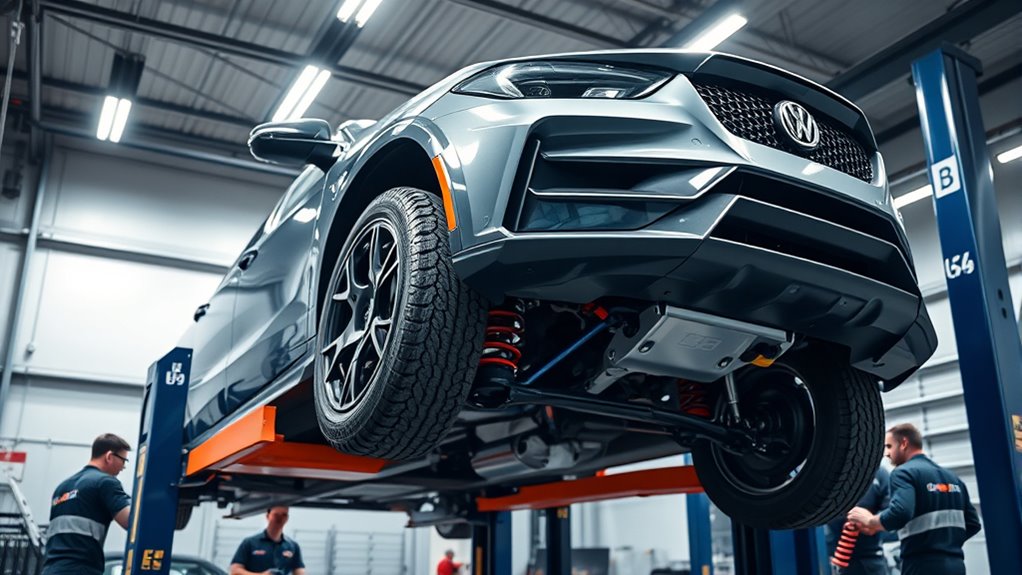
Are you aware of the essential safety inspection requirements that help keep your workplace or vehicle safe and compliant? After making suspension modifications, it’s crucial to understand that safety inspections aren’t just a formality—they’re a vital step to ensure everything functions correctly and safely. When it comes to vehicles, one of the key areas inspectors focus on is the brake system. Suspension changes can sometimes affect braking performance, so you need to verify that your brake system is in optimal condition. This involves checking brake pads, rotors, and fluid levels to make sure your stopping power remains reliable. A compromised brake system not only risks your safety but could also lead to failing inspections, fines, or even legal issues if an accident occurs.
In addition to the brake system, emissions compliance is another critical aspect often scrutinized during safety inspections after suspension modifications. Many jurisdictions require vehicles to meet specific emissions standards to reduce environmental impact. Suspension upgrades can sometimes influence engine performance or exhaust components, potentially causing your vehicle to emit higher levels of pollutants. Before heading for a safety inspection, it’s wise to ensure your vehicle’s emissions system is functioning properly. This includes checking for any leaks, ensuring catalytic converters are working efficiently, and verifying that emission control devices are intact and properly installed. Failing to meet emissions compliance can result in inspection failure, fines, or restrictions on vehicle use until repairs are made.
Beyond these two areas, safety inspectors also look at how suspension modifications might impact overall vehicle stability and safety. They’ll examine whether your suspension setup complies with local regulations and doesn’t pose a risk to you or others on the road. It’s your responsibility to ensure that modifications are professionally installed and that your vehicle remains safe and roadworthy after changes. Regularly scheduled safety inspections help catch any issues early, so you avoid surprises and keep your vehicle in top condition.
Products Worth Considering

Milwaukee 2697-22 M18 18-Volt Lithium-Ion Cordless Hammer Drill/Impact Driver XC Combo Kit (2-Tool)

Chemical Guys 16-Piece Arsenal Builder Car Wash Kit with Foam Cannon & Bucket

Chemical Guys 14-Piece Arsenal Builder Car Wash Kit with Foam Blaster
As an affiliate, we earn on qualifying purchases.
Frequently Asked Questions
Do Aftermarket Parts Need to Be Certified for Safety Inspections?
You don’t always need aftermarket parts to be certified for safety inspections, but it’s wise to check local laws. Aftermarket certification guarantees parts meet safety standards, which can affect your vehicle’s modification legality. If you’re installing suspension modifications, verify that the parts are certified and compliant with regulations. This helps avoid issues during inspections and keeps your vehicle safe and legal on the road.
How Long Does a Safety Inspection Take After Modifications?
Think of your vehicle as a prized ship; the inspection process guarantees it’s seaworthy again. Typically, the inspection duration after modifications ranges from 30 minutes to an hour, depending on the complexity of your suspension changes. During this time, the inspector assesses your vehicle’s safety features, ensuring everything meets standards. Stay patient—this brief inspection guarantees your ride’s safety and compliance, steering you smoothly back on the road.
Are There Penalties for Failing a Safety Inspection?
Yes, there are penalties for failing a safety inspection. If your vehicle doesn’t pass, you might face legal consequences, like fines or suspension of registration. Failing can also impact your insurance implications, as insurers may view your vehicle as higher risk, potentially increasing premiums or affecting coverage. To avoid these issues, verify your suspension modifications meet safety standards before inspection, and get any necessary repairs promptly.
Can I Perform the Safety Inspection Myself?
You can perform a DIY inspection yourself, but make certain you follow an inspection checklist carefully. Use this checklist to verify that your suspension modifications meet safety standards and regulations. While doing it yourself saves time and money, it’s essential to be thorough and honest about your vehicle’s condition. If you’re unsure, consider having a professional inspection to guarantee everything is compliant and safe on the road.
What Specific Modifications Automatically Require a Safety Inspection?
Did you know that over 60% of vehicle accidents involve suspension or brake issues? When you upgrade your suspension or enhance your brake system, you’re automatically required to undergo a safety inspection. These modifications impact your vehicle’s stability and braking efficiency, so authorities want to make certain they’re installed correctly and functioning properly. Always get your suspension upgrades and brake system enhancements inspected to stay compliant and keep yourself safe on the road.
Conclusion
After making suspension modifications, always guarantee your vehicle passes a safety inspection before hitting the road. For example, imagine upgrading your truck’s suspension for off-road adventures—you’d want to double-check that everything’s secure and compliant to avoid fines or accidents. By following the inspection requirements, you protect yourself and others. Don’t skip this step; it’s a small effort for big peace of mind and safe, confident driving.