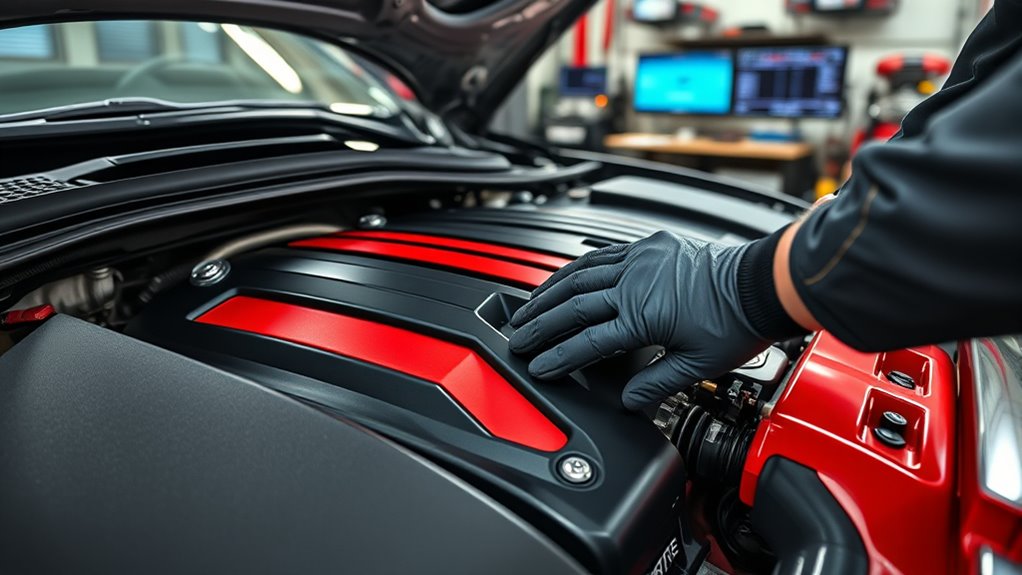

When you tune your vehicle, it’s important to understand that warranty coverage isn’t automatically voided, especially if you use OEM parts or professional services. Manufacturers require proof that modifications caused a failure before denying claims, so keep detailed records and choose warranty-backed upgrades. Being aware of regional laws and manufacturer policies helps protect your coverage. To learn more about how to keep your warranty safe while optimizing performance, check out the key strategies below.
Key Takeaways
- Using OEM-approved tuning tools and parts helps preserve warranty coverage during vehicle modifications.
- Proper documentation of modifications and communication with dealers can support warranty claims.
- ECU re-flashing or software tuning may trigger warranty reviews; reversible modifications reduce risks.
- Collaborate with reputable, warranty-backed providers to ensure modifications do not void your warranty.
- Understanding regional laws and manufacturer policies is essential to avoid warranty denial due to tuning.
Understanding the Legal Boundaries of Warranty Voiding
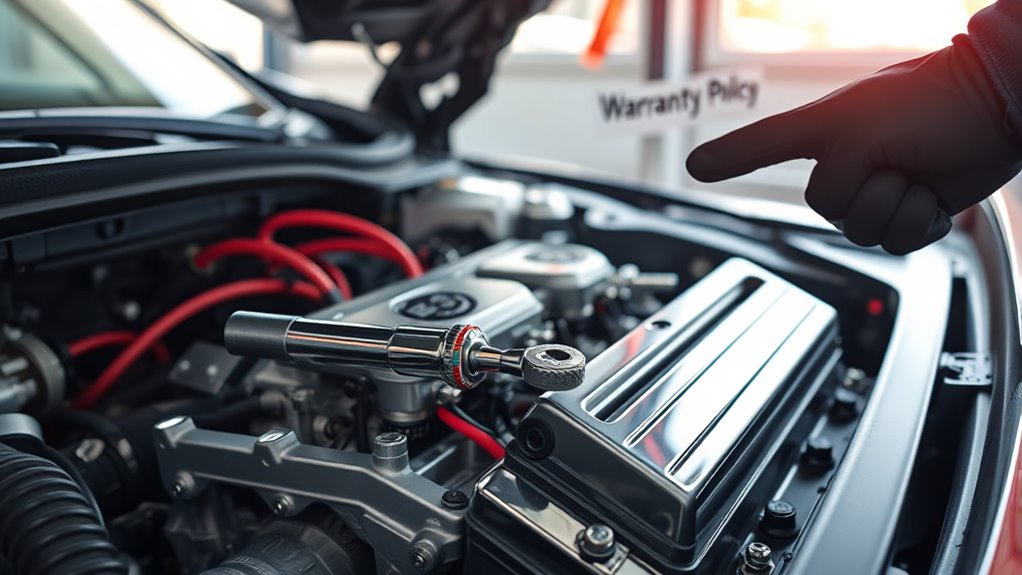
Understanding the legal boundaries of warranty voiding is essential when modifying your vehicle. The Magnuson-Moss Warranty Act protects you by requiring manufacturers to prove that aftermarket modifications caused a specific failure before denying warranty coverage. They can’t automatically void your entire warranty just because you made changes. A warranty is an agreement covering certain repair costs due to manufacturing defects within a set timeframe or mileage. Instead, they must demonstrate a direct causal link between the modification and the problem. Keep in mind, regional laws vary, so local regulations may also influence your rights. If a manufacturer claims your modification voided the warranty, challenge their decision unless they can provide concrete evidence. Maintaining detailed records of your modifications can support your case. Additionally, understanding regulatory frameworks that oversee warranty policies can help you navigate disputes more effectively, especially considering how manufacturer policies can differ across regions.
Common Triggers That Lead to Warranty Denials After Tuning
Manufacturers and dealers often keep a close watch for signs of ECU tuning and software modifications, as these are common triggers for warranty reviews. They can detect tuning through diagnostic tools, software logs, or the presence of non-OEM software. A breach in AI safety measures can also lead to increased scrutiny if automated systems flag suspicious activity or modifications. Additionally, detection methods have become more sophisticated, making it easier to identify unauthorized changes to the vehicle’s software. Here are three key triggers:
Manufacturers monitor for ECU tuning signs, which can jeopardize warranty coverage.
- Reflashing or altering factory ECU maps, which signals modifications that could damage engine components.
- Evidence of aftermarket software or tuning devices, making it easier for dealers to link failures to modifications.
- Mechanical failures like overheating or damaged pistons, which are attributed to increased stress from tuning, leading to denied warranty claims.
If any of these signs are present, your warranty may be at risk, especially on powertrain components directly affected by the modifications.
Manufacturer Policies on Performance Modifications and Coverage
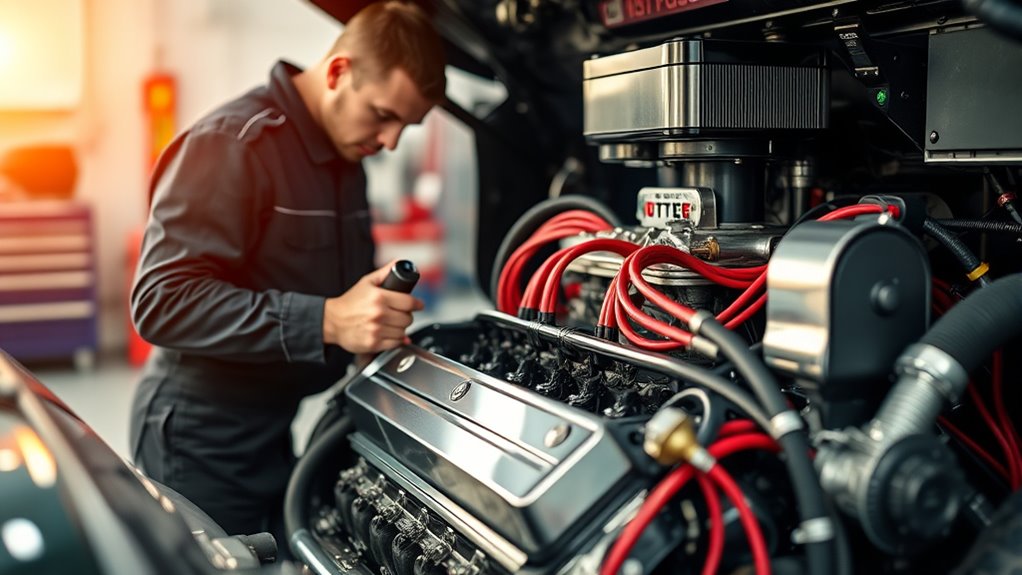
Many automakers have specific policies regarding performance modifications and their impact on warranty coverage. OEM parts from brands like Ford Performance, Mopar, and TRD are designed to meet factory specs, so they typically won’t void your warranty if installed correctly. These parts are rigorously tested to ensure compatibility and reliability. Manufacturer performance divisions, such as BMW M or Honda Racing Line, sell pre-approved, warrantied parts that keep coverage intact. Installing OEM suspension, exhaust, or engine upgrades professionally often preserves warranty coverage. However, ECU tuning is a gray area; while it can risk voiding your powertrain warranty, manufacturers generally require proof of damage caused by the modification. Dealer-installed upgrades using factory-backed parts usually retain coverage. Be aware that non-engine mods, like wheels or cosmetic changes, rarely affect warranty unless they impact safety or emissions. Understanding the manufacturer’s stance on tuning and modifications can help you make informed decisions to avoid potential warranty issues. Additionally, some manufacturers provide explicit warranty coverage for certain performance parts, which can offer additional peace of mind when customizing your vehicle.
Strategies to Minimize Warranty Risks When Tuning
To reduce the risk of warranty issues when tuning your vehicle, adopting strategic approaches can make a significant difference. First, always check your vehicle’s warranty terms to understand what modifications are allowed. The Magnuson-Moss Warranty Act (1975) protects consumers from wrongful warranty claims related to aftermarket modifications. Second, opt for OEM parts and tools, ensuring your upgrades meet manufacturer standards. Third, document every change and maintenance activity; detailed records can support your warranty claims if disputes arise.
Always review your vehicle’s warranty terms before tuning to ensure modifications are permitted.
Consider these strategies:
- Use OEM-approved ECU tuning tools to stay within manufacturer guidelines.
- Choose reputable shops that specialize in warranty-friendly modifications.
- Conduct pre-modification assessments to identify potential risks and avoid unintended damage.
Best Practices for Certified Tuning and Upgrades
When pursuing certified tuning and upgrades, working with reputable providers who specialize in warranty-friendly modifications is essential. Choose manufacturer-approved tuners like Dinan, Mopar, or TRD, which back their parts and labor with warranties. Collaborate with dealerships that partner with aftermarket brands such as Ford Performance or BMW M Performance to maintain factory coverage. These authorized providers often adhere to strict quality and safety standards, ensuring that your vehicle remains reliable and compliant. Ensure the providers document all modifications according to SAE, ISO, or OEM standards for safety and reliability. Incorporate industry-standard documentation to verify that all modifications meet recognized safety and quality benchmarks. Opt for pre-engineered, warranty-backed performance packages with clear coverage terms. Request detailed service records, including ECU remaps and hardware specifications. Confirm that upgrades preserve critical factory parameters like emission controls (CAL ID) and pass OBD-II diagnostics. Additionally, be sure that the modifications are compliant with warranty policies to avoid voiding coverage. By following these best practices, you reduce warranty risks and ensure your modifications meet industry standards.
Legal Recourse If Your Warranty Is Wrongfully Voided

If your vehicle’s warranty has been wrongfully voided, you have legal options to challenge the denial and protect your rights. First, gather all relevant documentation, including repair records, communication with the dealer, and warranty terms. Remember, federal law protects you from warranty denial solely due to aftermarket parts like CAI. Second, contact the dealership’s management or a supervisor to dispute the voidance; sometimes, issues can be resolved informally. Third, consider mediation programs like AUTOCAP, which help settle disputes without court. Remember, the Magnuson-Moss Warranty Act prohibits voiding warranties solely because of aftermarket parts unless clearly stated. Additionally, understanding the Gold IRA protections and rights can be beneficial if your vehicle issue involves investment-related warranties or services. Keep in mind, you can also seek legal advice if internal resolutions fail. These steps empower you to stand up against unjust warranty denials and enforce your consumer rights effectively. If you are aware of your manufacturer’s warranty terms, you can better advocate for yourself during disputes.
The Impact of Tuning on Vehicle Resale and Insurance
Tuning your vehicle can considerably influence its resale value and insurance coverage. Often, modifications decrease resale value, especially where buyers prefer stock or economy-focused vehicles. The quality of your work matters—professional tuning can preserve value, while amateur efforts typically reduce it. The market demand regional demand also plays a role; high-interest areas like the US, Japan, or Germany may retain more value. Reversible mods, such as ECU flashes, help when selling by allowing restoration to factory specs. However, mainstream buyers usually shy away from heavily tuned cars, and custom visual mods may limit appeal. Insurance becomes more complicated, with higher premiums common due to increased risk. Undeclared mods can void coverage, and appraisal challenges make insuring modified vehicles difficult. Proper documentation and reversible upgrades can help mitigate these issues.
Monitoring and Documenting Your Modifications for Warranty Claims
Keeping detailed records of your vehicle modifications is essential for protecting your warranty rights. Proper documentation helps you prove when, what, and how modifications were made, which is vital during warranty disputes.
To ensure comprehensive records, focus on:
- Repair Receipts: Save all receipts for parts, labor, and services related to modifications or repairs. These establish a timeline and demonstrate your proactive maintenance.
- Modification Details: Record specifics such as part numbers, installation dates, and reasons for each change. This helps differentiate between factory issues and aftermarket impacts.
- Communication Records: Keep copies of emails, phone logs, and written correspondence with manufacturers or dealers. These can support your case if warranty coverage is challenged.
Accurate documentation gives you the evidence needed to defend your warranty rights effectively.
Alternative Options to Maintain Coverage During Performance Upgrades
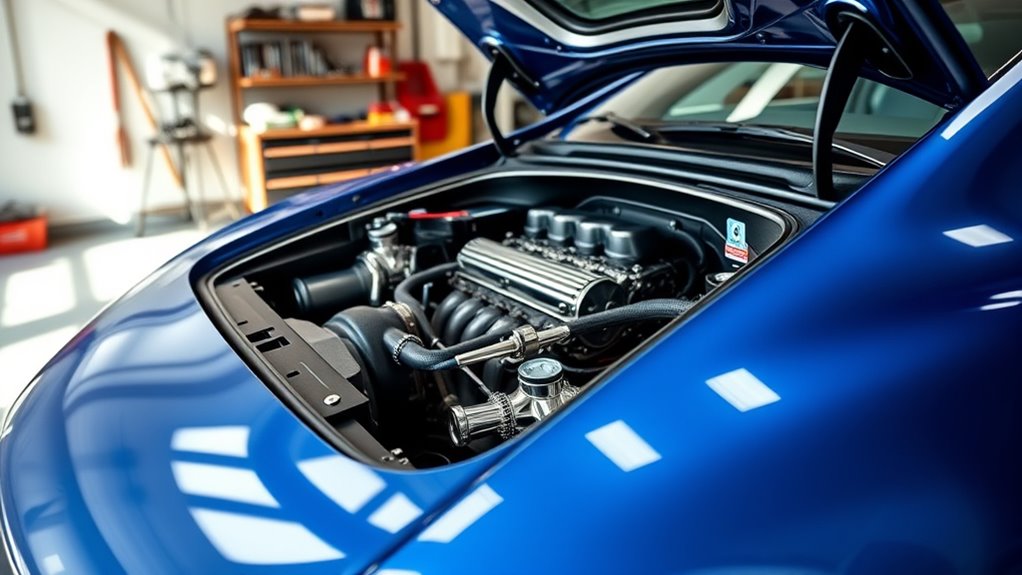
To maintain warranty coverage during performance upgrades, exploring manufacturer-backed options, third-party tuning firms, and extended warranty plans offers valuable alternatives. Some automakers, like Dodge with Mopar or BMW with M Performance, provide performance parts that don’t void your warranty, guaranteeing safety and reliability. These OEM parts are designed to fit seamlessly, reducing risks and often come with warranty support, though they can be more expensive. Established tuning companies like Roush or Lingenfelter offer performance upgrades with their own warranties, sometimes transferable, adding flexibility. Extended warranties are another option, often more accommodating of modifications, especially if you choose plans covering performance enhancements. Many warranty providers are more performance car friendly than others, making it easier to find coverage that supports your modifications. Always review policy details carefully to ensure your upgrades remain protected without risking warranty voidance.
Staying Informed About Regulations and Manufacturer Updates

Are you aware of the latest updates from your vehicle’s manufacturer and how they can impact your modifications? Staying informed helps you avoid warranty issues and guarantees compliance. Here are three key things to keep in mind:
- Update Notifications: Manufacturers regularly send out bulletins on approved modifications and technical updates, so check for new information. Manufacturers also update their policies to align with evolving regulations and legal standards.
- Warranty Policies: Different brands have varying rules about what voids warranties—know what your manufacturer approves to prevent surprises.
- Manufacturer Policies: Some manufacturers provide approved modification lists, making it easier to tune without risking warranty coverage. Supporting documentation of approvals can also help if disputes arise.
Frequently Asked Questions
Can I Tune My Vehicle Without Voiding the Warranty Legally?
You wonder if you can tune your vehicle without voiding the warranty legally. Federal law, via the Magnuson-Moss Act, protects you from blanket warranty voiding unless the manufacturer proves the modification caused the failure.
However, they can still deny claims related to emissions or engine issues if they detect aftermarket tuning. To minimize risks, keep detailed records, choose manufacturer-approved tunes, and understand your warranty terms thoroughly.
What Documentation Should I Keep for Warranty Claims After Tuning?
Imagine your vehicle’s warranty as a treasure chest, guarded by a map of documentation. You should keep records of installation dates, part specifications, and professional receipts—these are your map’s landmarks.
Also, save performance data and original factory settings. This way, if a dispute arises, you can confidently navigate the warranty process, demonstrating responsible modifications and protecting your treasure from unnecessary loss.
Are There Aftermarket Tunes That Won’t Void My Warranty?
You wonder if any aftermarket tunes won’t void your warranty. Some manufacturer-approved or factory-backed programs, like those from Dodge Mopar or BMW M Performance, often preserve your coverage.
Authorized dealer installations and tuner brands with supplemental warranties, such as Dinan, also tend to keep your warranty intact. However, always review your specific warranty terms, and consult your manufacturer before tuning, as policies can vary and some aftermarket tunes might still risk voiding your coverage.
How Does ECU Remapping Affect My Vehicle’s Emissions Compliance?
When it comes to ECU remapping and emissions compliance, you’re walking a tightrope. Your tune can improve performance, but if it doesn’t meet local emissions standards, you risk penalties or failing inspections.
Stricter regulations mean your vehicle must balance power with environmental responsibility. If you push the envelope too far, you might end up shooting yourself in the foot, so always guarantee your remap complies with regional emissions laws.
What Steps Should I Take if My Warranty Claim Is Denied Unjustly?
If your warranty claim gets unjustly denied, start by requesting the denial in writing to understand the reasons.
Review your warranty contract carefully and gather all supporting documents like repair records and correspondence.
Write a clear, professional appeal referencing contract terms and evidence.
If needed, escalate the issue through mediation or arbitration, and consider consulting a legal expert to protect your rights and increase your chances of success.
Conclusion
Ultimately, staying informed and cautious is key to protecting your warranty while tuning your vehicle. For instance, a driver who documented all modifications and chose certified upgrades avoided warranty issues after a minor engine mishap. By understanding manufacturer policies and monitoring regulations, you can enjoy enhanced performance without risking coverage. Remember, careful planning and transparency guarantee your tuning journey boosts your ride without compromising your warranty or peace of mind.