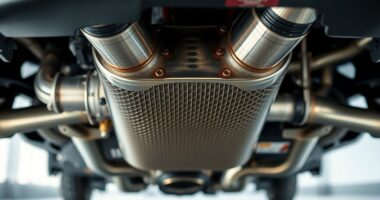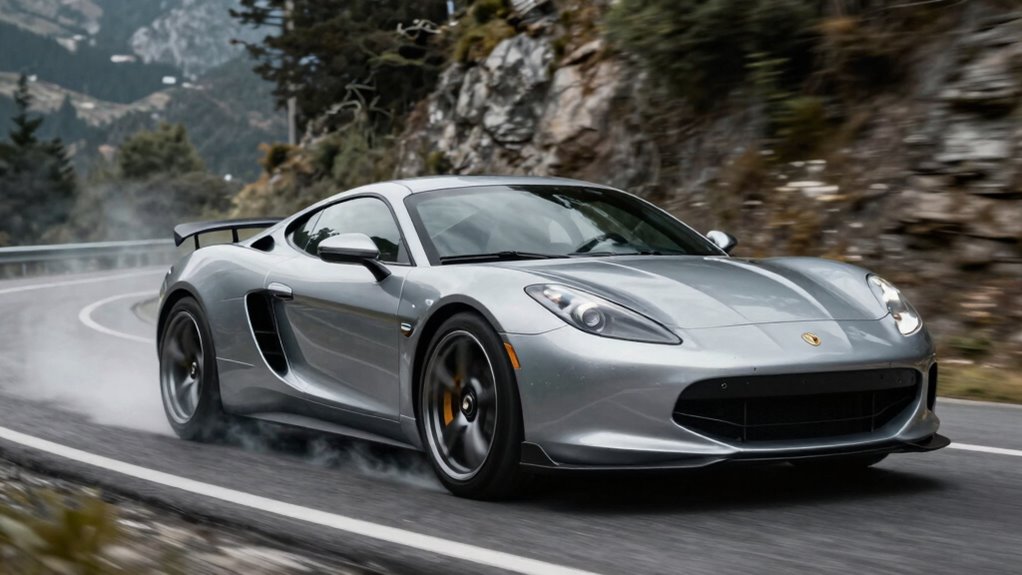
You should prioritize stronger brakes before increasing your car’s power because higher speeds require better stopping ability for safety and control. Upgrading engine power alone can make your car faster, but without the right braking system, you risk accidents, especially during emergency stops or sharp turns. Good brakes give you confidence and help prevent overshooting. If you keep exploring, you’ll discover how balancing brakes, tires, and power creates safer, smarter performance.

Get business pricing on garage and car supplies
- Business-only prices and quantity discounts
- Tax-exempt purchasing
- Multiple users, one account, clear invoices
Key Takeaways
- Increased engine power demands stronger brakes to safely handle higher speeds and prevent overshooting during stops.
- Upgrading brakes ensures vehicle control during sudden stops or emergency situations caused by higher speed capabilities.
- Without adequate brakes, enhanced power can lead to longer stopping distances and higher accident risks.
- Proper braking systems are essential for maintaining safety when adding more horsepower to a vehicle.
- Balanced vehicle performance requires prioritizing braking capacity before increasing engine power.
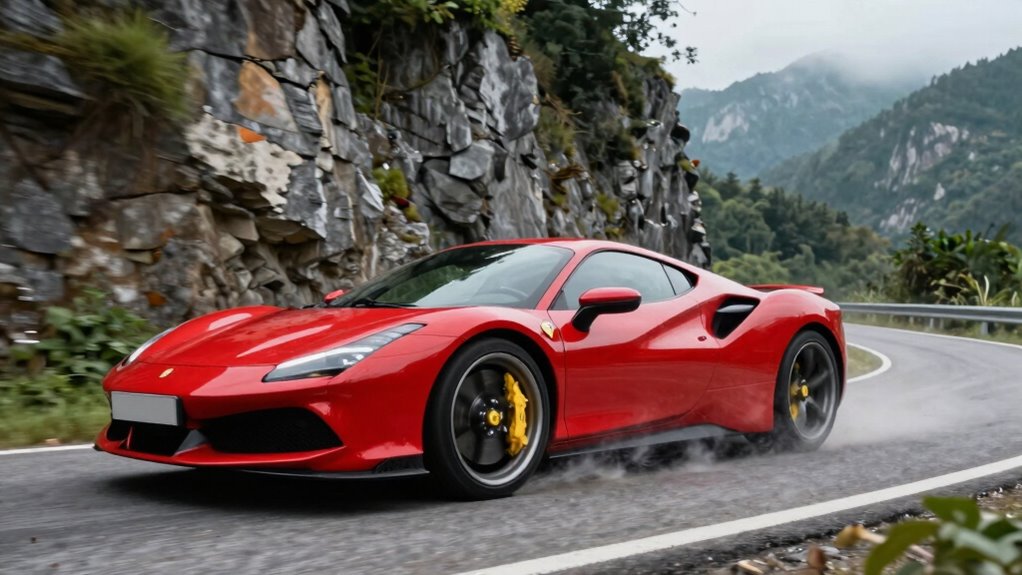
When you’re driving, it’s easy to assume that more power means faster acceleration, but in reality, your car’s ability to stop is often just as important—if not more so. Whether you’re cruising down the highway or navigating tight turns, your safety hinges on your brakes’ ability to respond quickly and effectively. Many drivers focus on engine upgrades to boost speed, but neglect the critical role of braking performance. Upgrading your engine might give you more horsepower, but if your brakes aren’t capable of handling that power, you’re putting yourself at risk. Better to ensure your brake system can keep up with your engine’s potential before chasing more speed.
Prioritize your brakes before chasing speed—stopping power keeps you safe on every ride.
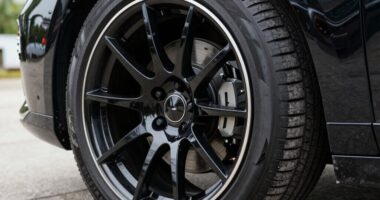
Tire grip plays an essential role in your car’s stopping power. No matter how powerful your engine is or how advanced your suspension might be, if your tires can’t grip the road, your braking distance increases significantly. Upgrading your tires to high-traction models improves grip, allowing your braking system to work more efficiently. This is especially crucial when driving in wet or slippery conditions, where standard tires may struggle to hold the road. When tire grip is maximized, your brakes don’t have to work as hard to bring you to a stop, which reduces wear and enhances safety.
Many car enthusiasts overlook the importance of a well-maintained braking system, focusing instead on engine upgrades to increase speed and performance. While horsepower upgrades can make your car faster, they don’t compensate for inadequate braking. Upgrading brake components—such as rotors, calipers, and brake pads—ensures that your vehicle can handle the increased demands. Without proper braking, the risk of overshooting a turn or colliding with obstacles rises sharply, regardless of how quick your engine is.
In many cases, a balanced approach proves most effective. Improving tire grip, upgrading your brakes, and ensuring your braking system is in top condition should come before pushing your engine’s limits. It’s about creating a harmonious setup where your car can accelerate, corner, and stop confidently. Remember, the thrill of speed is fun, but the ability to come to a safe stop is what keeps you out of trouble. Before you invest in engine upgrades, evaluate your brakes and tires—they’re the foundation of safe driving. Prioritize stopping power, and you’ll enjoy a more confident, controlled ride.
high performance brake pads for cars
As an affiliate, we earn on qualifying purchases.
As an affiliate, we earn on qualifying purchases.
Frequently Asked Questions
How Does Weight Distribution Affect Braking Needs?
You’ll notice that weight distribution greatly impacts your braking needs. When weight shifts forward during braking, the front brakes handle more load, requiring stronger braking power there. Proper weight balance improves stopping distance and safety. Additionally, aerodynamic drag affects fuel efficiency at higher speeds, but a balanced weight distribution ensures ideal braking and control. So, understanding how weight shifts helps you enhance your car’s braking performance and overall efficiency.
What Role Does Tire Grip Play in Braking Performance?
Did you know that tire grip can reduce stopping distances by up to 30%? Tire grip plays a vital role in braking performance because the tire compound and road conditions directly influence how well your tires can grip the road. Softer compounds offer better grip, especially on wet or uneven surfaces, helping you brake more effectively. So, choosing the right tires for conditions can make a significant difference in your safety.
Can Brake Upgrades Improve Safety Without Increasing Power?
Yes, upgrading your brakes can improve safety without increasing power. Better brake pads and rotors reduce brake fade, ensuring consistent stopping power during extended use. Enhanced ABS performance helps you maintain control during abrupt stops, preventing skidding. These upgrades work together to give you more reliable braking, especially in emergencies, without needing more engine power. So, investing in your braking system directly boosts safety and control on the road.
Why Do Some Cars Require More Frequent Brake Maintenance?
Some cars require more frequent brake maintenance because modifications like engine tuning and suspension setup can increase stress on the braking system. When you push the engine harder or adjust suspension for better handling, it can lead to increased heat and wear on brake components. This means your brakes work harder and, as a result, need more regular checks and replacements to stay effective and guarantee safety during your drives.
How Does Driving Style Influence Braking and Power Requirements?
Your driving style dramatically influences your car’s braking and power needs. If you slam on the accelerator with reckless acceleration techniques, you’ll demand more power, and your brakes will work overtime to keep up. Conversely, gentle driving habits and smooth acceleration mean less strain on your brakes and engine. Mastering controlled acceleration and braking makes your vehicle more efficient, saving you money and reducing wear and tear on key components.
Conclusion
Just like a skilled sailor knows when to tighten the sails and when to steady the helm, you must understand when to brake before you hit the gas. Brakes act as the guardian angels of your ride, whispering warnings before things get out of hand. Remember, in the symphony of driving, slowing down is often the quiet hero that keeps you safe, letting you enjoy the thrill without the crash. Stay alert, and let your car’s wisdom guide you.
Fall Picks
fall essentials
As an affiliate, we earn on qualifying purchases.