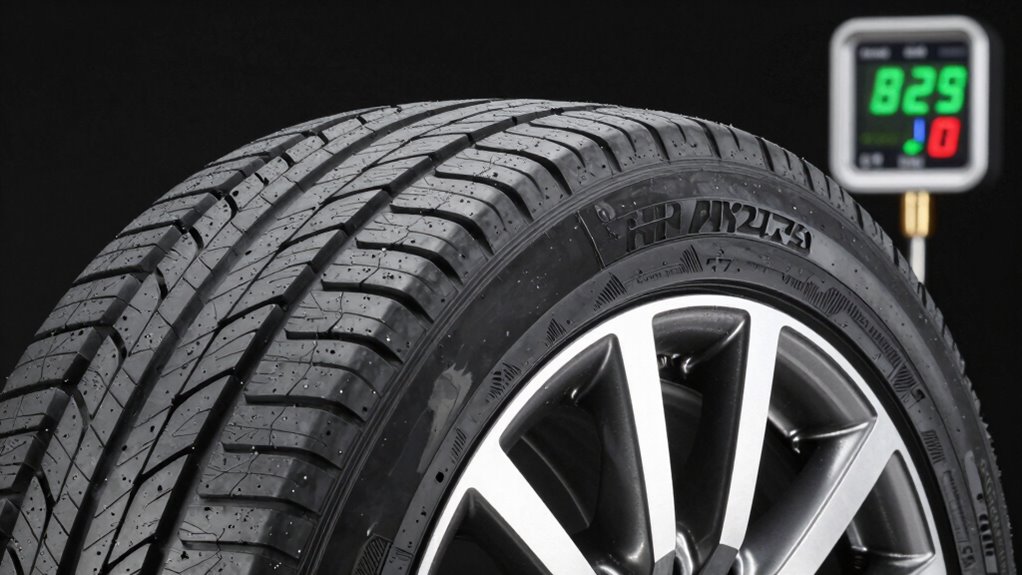

Heat cycling tires is a manufacturing process that applies controlled heat to improve their structure, rubber properties, and durability, mainly for racing or high-performance use. For everyday driving, it’s generally not necessary, as proper maintenance like pressure checks and rotations have a bigger impact. While heat cycling can reduce risks of early failure, most drivers won’t notice a difference. If you want to understand whether it’s worth considering for your tires, there’s more to explore below.
Key Takeaways
- Heat cycling reintroduces controlled heating and cooling to improve tire structure and rubber properties post-manufacturing.
- It is mainly beneficial for racing or high-performance tires, not necessary for everyday driving.
- Modern manufacturing advancements often reduce the need for heat cycling to achieve optimal tire quality.
- Proper tire maintenance (pressure, rotation, driving habits) has a greater impact on tire longevity than heat cycling.
- Overdoing heat cycling or improper execution can damage tires, so it’s generally not recommended for casual or standard use.
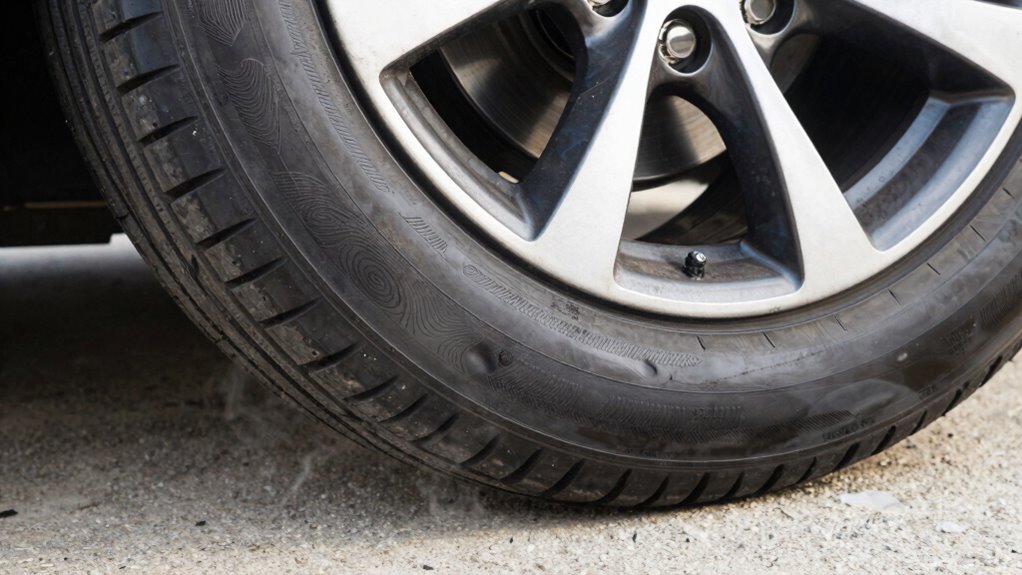
Heat cycling tires involves intentionally heating and cooling them multiple times to improve their performance and longevity. This process is often recommended for high-performance or racing tires, but you might wonder whether it’s truly necessary or just a marketing hype. To understand this, you need to consider how tires are made and what heat cycling aims to accomplish. During manufacturing, tires undergo a complex process that involves shaping, curing, and vulcanization, which solidifies the rubber and enhances its durability. Heat cycling takes this a step further by reintroducing controlled heat cycles to the tire after production, with the goal of optimizing the tire’s internal structure and rubber properties.
Heat cycling refines tire structure by applying controlled heat cycles after manufacturing, aiming to boost performance and durability.
The idea behind heat cycling is that by repeatedly heating and cooling a tire, you can help the rubber better conform to the shape of the wheel and eliminate manufacturing imperfections. This process theoretically reduces the risk of premature failure, improves grip, and extends tire longevity. Manufacturers and racing teams often use heat cycling to guarantee their tires reach peak performance before they hit the track. When you perform heat cycling on your own tires, you’re attempting to replicate this process, hoping to release similar benefits.
However, it’s important to recognize that not all tires benefit equally from heat cycling. Many tires on the market today are built with advanced materials and manufacturing techniques that already maximize their performance and durability straight out of the box. For these tires, additional heat cycling may offer minimal gains and might not justify the effort or risk of damaging the tire. Furthermore, improper heat cycling—such as overheating or uneven cooling—can actually compromise tire integrity, leading to issues like sidewall damage or uneven wear.
In most cases, for everyday driving, heat cycling isn’t necessary. It’s mainly relevant for racing, high-performance tires, or specialized applications where every ounce of grip and longevity counts. If you’re considering heat cycling your tires, keep in mind that it’s a process rooted in the manufacturing process, designed to refine tire qualities from the start. For typical drivers, maintaining proper tire pressure, regular rotation, and avoiding harsh driving conditions will have a more significant impact on tire longevity and safety than attempting to artificially enhance performance through heat cycling.
Additionally, recent advancements in manufacturing techniques have improved tire consistency and quality, reducing the need for additional procedures like heat cycling. Ultimately, whether you need to heat cycle your tires depends on the type of tires you have and your driving needs. For most drivers, it’s more about proper maintenance than extra steps like heat cycling. But if you’re racing or pushing your tires to their limits, understanding how heat cycling interacts with the manufacturing process can help you make an informed decision about whether it’s worth the effort.
Frequently Asked Questions
How Long Does the Heat Cycling Process Typically Take?
Heat cycling usually takes about 24 to 48 hours, depending on the tire type and your tire storage conditions. During this time, you should gradually heat and cool the tires to build up their internal temperature. This process is essential for racing preparations because it helps maximize grip and tire performance. Make certain to follow manufacturer guidelines and avoid rushing the process, as proper heat cycling guarantees your tires are prepared for ideal race day performance.
Can Heat Cycling Damage Tires if Done Improperly?
If you don’t handle heat cycling properly, you risk stirring the pot of chemical damage or causing tread separation. Improper techniques can weaken your tires’ structure, like a fragile web ready to snap. Follow manufacturer instructions carefully, avoiding excessive heat or uneven processes. This way, you protect your tires from damage, ensuring they stay safe and perform well on the road, rather than risking costly or dangerous failures.
Is Heat Cycling Necessary for All Types of Tires?
Heat cycling isn’t necessary for all tire types. Your decision depends on your tire material and manufacturer recommendations. If you have performance or racing tires, heat cycling can help optimize their temperature and grip. However, for regular passenger tires, it’s usually unwarranted and could even cause damage if done improperly. Always check your tire’s specific guidelines to make sure you’re following the right care procedures.
Does Heat Cycling Improve Tire Lifespan Significantly?
Think heat cycling can drastically extend your tire lifespan? It can, especially for racing tires, by optimizing the vulcanization process during manufacturing. This process helps tires reach their peak performance and durability, reducing premature wear. While it might not double your tire’s life, it definitely improves longevity and racing performance. Are you willing to invest in a process that enhances tire quality from the start? Heat cycling’s benefits are worth considering.
Are There Specific Conditions or Environments That Benefit Most From Heat Cycling?
You’ll benefit most from heat cycling if you frequently switch seasonal tires or engage in off-road driving. Heat cycling helps optimize tire performance and longevity in these conditions by conditioning the rubber. If you store tires seasonally or often tackle rough terrains, doing heat cycles can improve grip and durability. Otherwise, for regular on-road use, it’s less necessary. Focus on proper seasonal tire storage to maintain overall tire health.
Conclusion
So, do you really need to heat cycle your tires? Honestly, it might seem like a minor detail, but neglecting it could turn your tires into a sluggish, life-draining mess. Think of heat cycling as the secret weapon that transforms your tires into lightning-fast, grip-hungry beasts. Don’t let your tread become the equivalent of a worn-out marathon runner—give it the heat treatment it deserves and release peak performance every time you hit the road!