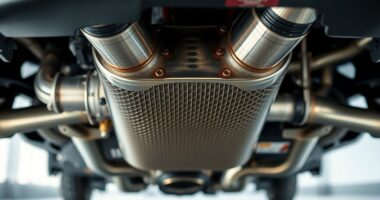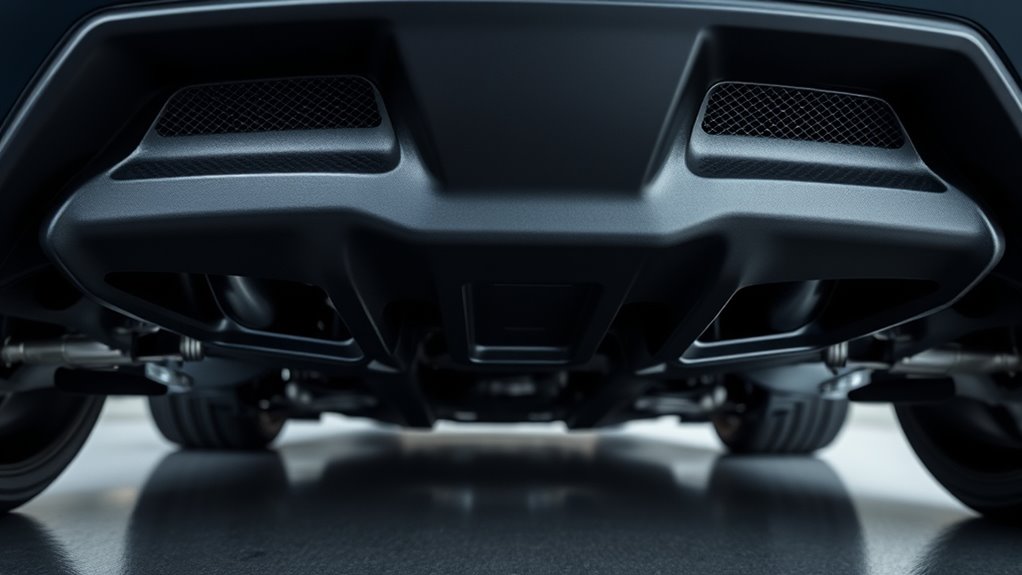

Underbody panels help manage airflow beneath your vehicle, reducing drag and improving fuel efficiency. They streamline the underside, cutting turbulence and enhancing overall aerodynamics. By directing air to cool essential parts like the engine and brakes, they also boost cooling performance. Plus, they protect against dirt and debris, increasing durability. If you want to discover how these panels can boost your vehicle’s performance and longevity, keep exploring the details.
Key Takeaways
- Underbody panels streamline airflow beneath the vehicle, reducing turbulence and drag to improve overall aerodynamics.
- They direct air toward critical components like brakes and the engine, enhancing cooling efficiency.
- Proper underbody panels minimize dirt, water, and debris buildup, protecting vital parts from environmental damage.
- By reducing aerodynamic drag, underbody panels help increase fuel efficiency and enable higher vehicle speeds.
- They improve vehicle handling by lowering lift at higher speeds and supporting better aerodynamic stability.

Have you ever wondered how underbody panels influence a vehicle’s performance? These panels, often overlooked, play a critical role in managing airflow beneath your car. When installed correctly, they help streamline the underside of your vehicle, which directly impacts factors like drag reduction and cooling efficiency. Drag reduction is essential because it minimizes air resistance, allowing you to achieve better fuel economy and higher speeds with less effort. By smoothing out turbulent airflow and sealing off gaps and exposed components, underbody panels create a more aerodynamic profile, cutting through the air more efficiently. This not only makes your car more fuel-efficient but can also improve handling by reducing lift at higher speeds.
Cooling efficiency is another key aspect influenced by these panels. Underbody panels can help channel air toward essential components like the engine, transmission, and brakes. When airflow is directed properly, these parts stay cooler, which enhances their performance and longevity. Without proper airflow, heat builds up, leading to potential overheating and increased wear. Installing high-quality underbody panels creates a controlled airflow path that cools these components more effectively than an unprotected underside. This is particularly important during aggressive driving or in hot climates, where heat dissipation becomes critical.
Furthermore, underbody panels can help prevent dirt, water, and debris from accumulating in sensitive areas. When debris is kept away from vital parts, you reduce the risk of corrosion and mechanical issues, ensuring your vehicle remains reliable over time. This protective function complements the aerodynamic benefits, making underbody panels a smart upgrade for both performance and durability.
Incorporating underbody panels into your vehicle isn’t just about looks; it’s a strategic move to optimize airflow. They are designed to work with your vehicle’s existing aerodynamics to reduce drag, which means less air resistance and better efficiency. At the same time, they improve cooling efficiency by directing airflow precisely where it’s needed most. Whether you’re aiming for better fuel economy, enhanced performance, or simply maintaining your vehicle’s health, these panels offer tangible benefits. When considering upgrades, don’t overlook the significance of airflow management beneath your car. Properly designed underbody panels can transform how your vehicle interacts with the air around it, making every drive smoother, more efficient, and more reliable. Additionally, understanding the importance of drivetrain components can help you appreciate how airflow impacts their longevity and performance.
Frequently Asked Questions
Do Underbody Panels Improve Fuel Efficiency Significantly?
Yes, underbody panels can substantially improve your fuel economy by reducing aerodynamic drag. When you install these panels, they smooth out the airflow underneath your vehicle, decreasing resistance. This means your engine doesn’t have to work as hard to maintain speed, saving fuel. Over time, the improved aerodynamics can lead to noticeable savings on fuel costs, especially during highway driving where airflow impacts are more pronounced.
How Do Underbody Panels Affect Vehicle Noise Levels?
Imagine cruising smoothly down the highway, feeling the quiet in your cabin. Underbody panels markedly reduce vehicle noise levels by acting like a shield against air turbulence and road noise. They enhance aerodynamics, which minimizes wind resistance and vibrations that cause noise. As a result, your ride becomes quieter and more comfortable, making every journey peaceful. You’ll appreciate how these panels create a calmer, more refined driving experience.
Are Underbody Panels Suitable for Off-Road Vehicles?
Underbody panels can be suitable for off-road vehicles if they’re designed to withstand rough terrain, but they may impact suspension on uneven surfaces. You should consider panels that are lightweight and durable to avoid adding unnecessary weight or restricting wheel travel. Properly installed, they can help protect essential components from debris and mud, but be mindful of how they might influence suspension performance on challenging off-road terrain.
What Materials Are Best for Underbody Panel Durability?
You should choose materials like high-strength steel, aluminum, or reinforced composites for underbody panel durability. These materials excel in durability factors such as resistance to corrosion, impact, and fatigue, which are essential for withstanding rough terrains. Consider your vehicle’s specific needs and environmental exposure when selecting a material, ensuring it offers the balance of strength, weight, and corrosion resistance necessary for long-lasting performance.
How Often Should Underbody Panels Be Inspected or Replaced?
You should inspect your underbody panels at least every 6,000 to 12,000 miles or during regular maintenance. Look for replacement indicators like cracks, rust, or loose fittings. If you notice any damage or deterioration, replace the panels promptly to maintain ideal airflow and prevent further issues. Regular inspections help ensure your vehicle’s aerodynamic efficiency and protect critical components from debris and corrosion.
Conclusion
Think of underbody panels as the heartbeat of your car’s airflow, guiding energy smoothly beneath you. When you optimize this system, you’re not just enhancing efficiency—you’re revealing the car’s true potential, like a hidden engine waiting to roar. The panels symbolize control and mastery over chaos, transforming your vehicle into a sleek, purposeful vessel. Embrace airflow management, and watch your ride become a symbol of precision and power, driving you confidently toward every horizon.