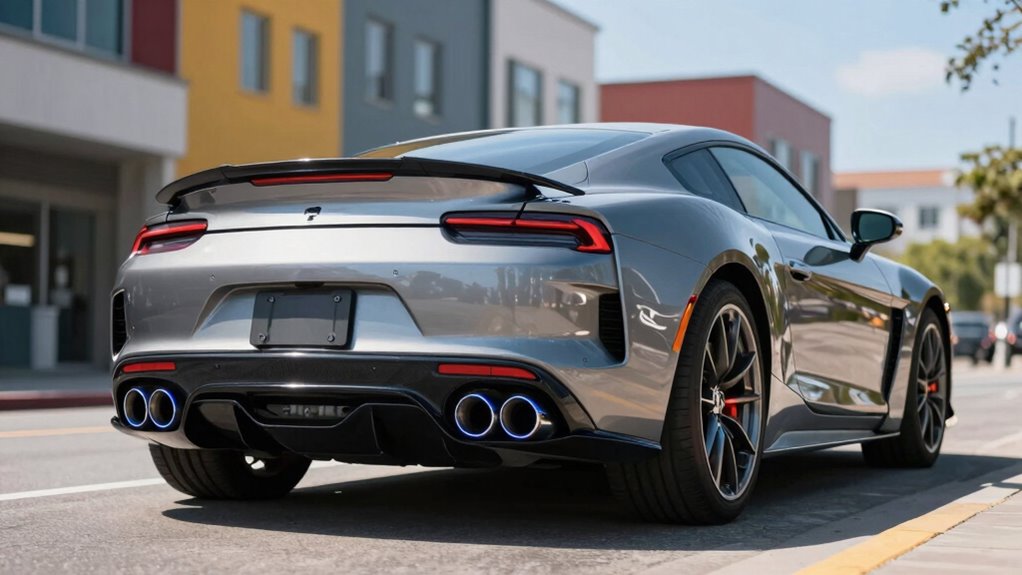
To stay legal with your exhaust mods, make sure they’re CARB-compliant by checking for the official EO number on the parts. This confirms the exhaust meets emissions standards and is street-legal in California. Always verify if the modifications align with local laws and sound levels to avoid fines or inspections. Choosing a CARB-approved exhaust lets you enjoy your vehicle’s performance without losing legality, and there’s more to keep your vehicle both fun and compliant.
Key Takeaways
- Ensure exhaust parts have a CARB EO (Executive Order) number to confirm legal street use.
- Verify with manufacturers that aftermarket exhausts are CARB-approved for emissions compliance.
- Stay updated on local vehicle laws regarding sound levels and visual modifications to avoid violations.
- Consult professionals or local authorities to confirm modifications meet all regional emissions and vehicle codes.
- Prioritize using CARB-compliant exhausts to enjoy performance upgrades while maintaining street legality.
Are your exhaust modifications legal? This is a critical question if you want to enjoy your ride without running into trouble with authorities. In California, and many other states, emissions standards set strict limits on what vehicle modifications are allowed, especially when it comes to exhaust systems. Understanding these emissions standards and how they relate to aftermarket regulations is essential for staying compliant while enhancing your vehicle’s performance and sound. Many aftermarket exhausts promise increased horsepower and a louder, sportier sound, but not all of them meet the legal requirements. If you ignore these standards, you risk hefty fines, failing vehicle inspections, and even having to revert to stock parts, which can be costly and frustrating.
To stay within the law, you need to verify that your exhaust mods adhere to emissions standards. These standards are designed to control pollutants and ensure that modified vehicles don’t emit excessive smoke or harmful gases. Manufacturers of aftermarket exhaust systems often provide details about whether their products are CARB (California Air Resources Board) compliant. If a part is CARB-approved, it means it has been tested and proven not to increase emissions beyond legal limits. Installing non-compliant exhausts might seem tempting because they often cost less or offer a more aggressive sound, but they can cause your vehicle to fail emissions testing or inspections. Additionally, CARB compliance is recognized as a key indicator of legal aftermarket modifications, ensuring your vehicle remains street-legal.
Following aftermarket regulations is equally important. While some exhaust modifications are technically legal, they might be restricted by local ordinances or specific vehicle codes. For example, some areas restrict the use of certain sound levels or require mufflers to be retained. You should also check whether your modifications are considered “visual modifications” that might be illegal if they alter the appearance of your exhaust system in a way that violates local laws. It’s wise to consult with local DMV or vehicle authorities, or even a professional installer familiar with the laws in your area, before making any changes. This way, you avoid potential legal complications or having to remove your modifications altogether.
Ultimately, the best approach is to choose exhaust parts that are CARB-compliant and designed to meet emissions standards. If you’re in California, look for the CARB EO (Executive Order) number on your exhaust system. This EO number signifies that the part is legal for street use. By doing your homework, you can enjoy a customized exhaust that sounds great and performs well without risking legal issues. Staying informed about emissions standards and following aftermarket regulations isn’t just about legality—it’s about protecting your investment and ensuring your vehicle remains street-legal. With a little research and proper planning, you can have the best of both worlds: fun and compliance.
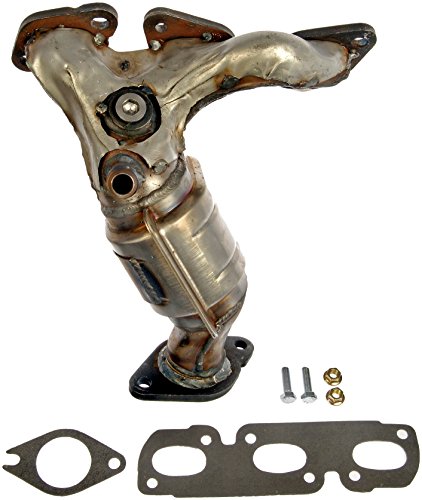
Dorman 673-830 Rear Manifold Converter – CARB Compliant Compatible with Select Ford / Mazda / Mercury Models (Made in USA)
- Direct Replacement Fit: Matches original equipment performance
- Complete Installation Kit: Includes gaskets and hardware
- Durable Construction: Built for long-lasting reliability
As an affiliate, we earn on qualifying purchases.
As an affiliate, we earn on qualifying purchases.
Frequently Asked Questions
Can I Install Aftermarket Exhaust Parts Without Violating CARB Rules?
You can install aftermarket exhaust parts without violating CARB rules if you choose those that are CARB-compliant and meet emission standards. Always verify that the upgrades are certified and labeled for street use in your state. By selecting emissions-legal aftermarket upgrades, you ensure your vehicle stays legal while still enjoying improved performance. Remember, unauthorized modifications can lead to fines and failed inspections, so double-check compliance before installation.
How Do I Verify if My Exhaust Mod Is CARB Compliant?
To verify if your exhaust mod is carb compliant, start by checking for official labels or documentation from the manufacturer indicating compliance. You’ll also want to review local exhaust noise regulations and emissions testing procedures, as these can affect legality. Contact your state’s DMV or CARB directly, or consult a professional mechanic familiar with emissions laws. Doing this helps make sure your upgrade stays within legal limits while keeping your ride fun.
Are There Specific Carb-Approved Exhaust Brands or Models?
You should look for exhaust brands with proper certifications and model approvals to guarantee CARB compliance. Reputable manufacturers often label their products with certification marks or list approved models on their websites. Always verify that the specific exhaust model you’re interested in has been tested and approved by CARB. This way, you stay legal while enjoying your ride, avoiding fines or penalties.
What Penalties Exist for Non-Compliant Exhaust Modifications?
If you install non-compliant exhaust modifications, you face legal consequences like hefty fines, penalties, and potential vehicle impoundment. Environmental fines are common if your exhaust emissions exceed legal limits, and authorities can also seize or issue citations for illegal modifications. Staying compliant helps you avoid these penalties and keeps your vehicle street-legal, ensuring you enjoy your ride without risking legal trouble or environmental harm.
Can I Register My Vehicle With a Non-Carb Exhaust Legally?
You can’t register your vehicle with a non-compliant exhaust legally. Non-compliant exhausts, which don’t meet CARB standards, make your vehicle ineligible for legal registration in California. To stay legal, guarantee your exhaust modification complies with CARB regulations and obtain the necessary certifications. If you install a non-compliant exhaust, you risk fines, penalties, and issues when registering your vehicle. Always verify your exhaust’s compliance before attempting registration.
Conclusion
By mastering muffler modifications with mindful measurement and meticulous documentation, you’ll maintain your momentum without risking repercussions. Staying compliant with CARB’s clear criteria keeps your car’s charm churning while avoiding costly consequences. Remember, responsible racing and relaxed regulations go hand in hand—so stay savvy, stay legal, and keep your fun firmly in focus. With a little diligence and dedication, you can enjoy exhilarating exhaust enhancements without ever crossing the legal line.