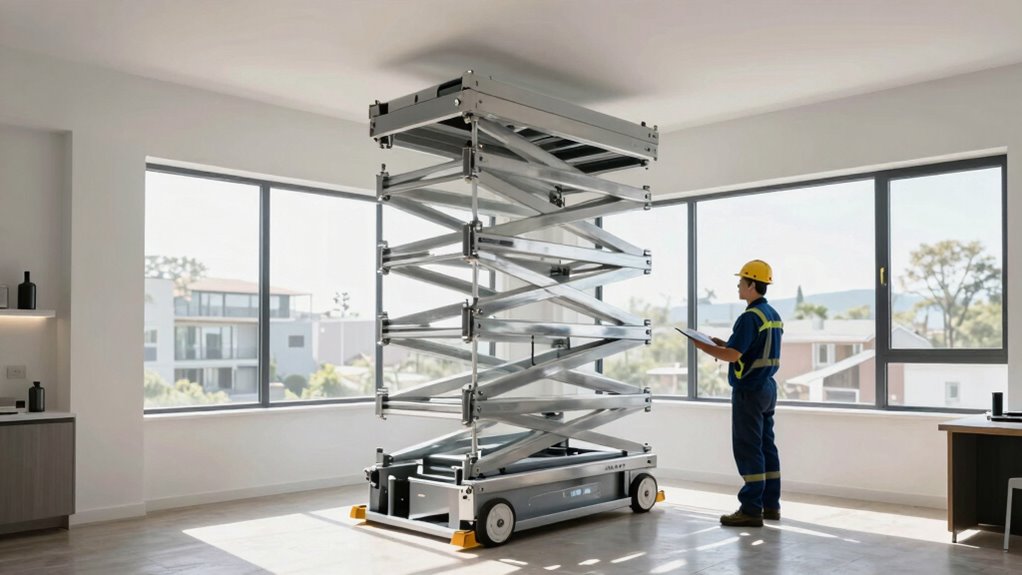

Installing a lift in your home workspace changes your liability because you become responsible for ensuring it meets safety standards, is properly maintained, and complies with local regulations. If it’s not installed correctly or if you neglect maintenance, you could face legal issues or increased insurance costs. Understanding these responsibilities helps you manage risks better and protect yourself. To learn more about how this impacts your liability and safety, keep exploring the essentials of lift installation and oversight.

Get business pricing on garage and car supplies
- Business-only prices and quantity discounts
- Tax-exempt purchasing
- Multiple users, one account, clear invoices
Key Takeaways
- Installing lifts shifts liability to the owner for ongoing maintenance and safety compliance.
- Non-compliance with safety standards can result in legal liabilities if accidents occur.
- Proper installation by certified professionals ensures adherence to safety and accessibility regulations.
- Insurance coverage may be limited or require additional policies, impacting liability exposure.
- Regular inspections and maintenance reduce risks and help mitigate potential legal and safety liabilities.
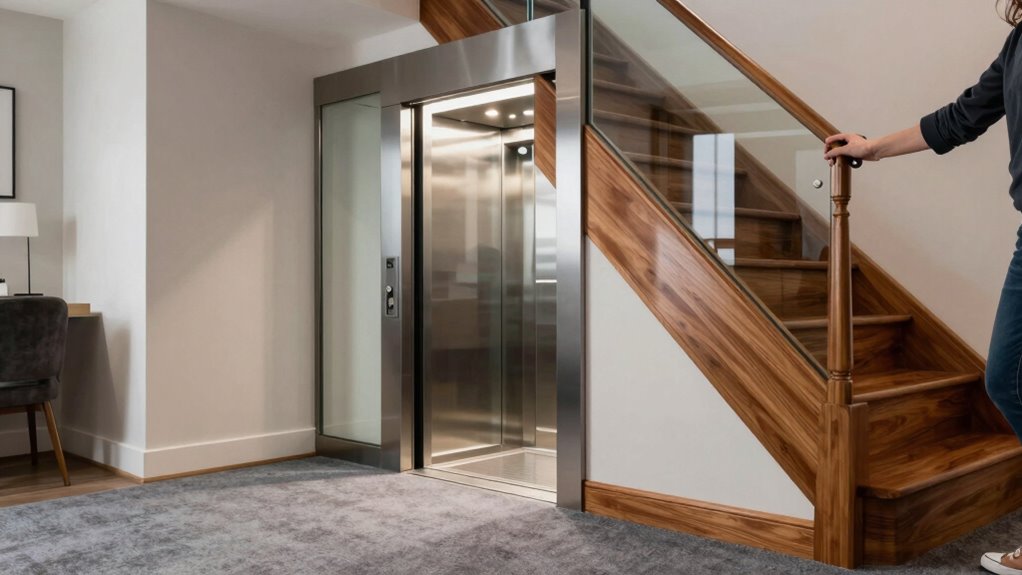
When installing a lift in your home workspace, understanding liability is essential to guarantee safety and compliance. Adding a lift can considerably improve accessibility, especially if you or someone else has mobility challenges. However, it also introduces new responsibilities that could impact your liability in various ways. One of the primary considerations is ensuring that the lift meets accessibility compliance standards. These standards are designed to guarantee that the lift is safe, reliable, and accessible to everyone who needs it. If your lift isn’t compliant, you could face legal issues or increased liability if someone gets injured. Consequently, selecting equipment that adheres to local regulations and safety codes isn’t just about legality; it’s about protecting yourself from potential lawsuits and ensuring the safety of all users.
Moreover, installing a lift can influence your insurance coverage, which is another critical aspect of liability. Many home insurance policies don’t automatically include coverage for lift installations, so you need to verify whether your policy extends to this added feature. If it doesn’t, you might have to update or purchase additional coverage to protect against accidents or damages related to the lift. Failing to do so could leave you financially vulnerable should an incident occur. Keep in mind that insurance providers often view lifts as safety enhancements, but they also see them as potential risk factors if not properly maintained or installed. To avoid surprises, consult with your insurer before installation to understand what’s covered and what isn’t.
Installing a lift fundamentally shifts your liability landscape. While it enhances accessibility, it also means you’re responsible for maintaining the equipment and ensuring it remains compliant with safety standards. Regular inspections and maintenance are essential to prevent accidents and reduce liability. If someone gets hurt due to neglect or improper installation, you could be held liable, especially if the lift isn’t up to code or if your insurance coverage is lacking. Taking proactive steps—such as choosing certified installers, adhering to safety regulations, and updating your insurance—helps mitigate these risks. Ultimately, understanding how a lift affects your liability isn’t just about legal compliance; it’s about creating a safer environment for everyone who uses your home workspace. Proper installation standards are crucial in this regard. Additionally, understanding liability implications can help you plan effectively to reduce potential risks.
home lift installation certification
As an affiliate, we earn on qualifying purchases.
As an affiliate, we earn on qualifying purchases.
Frequently Asked Questions
Who Is Legally Responsible for Lift Maintenance in Home Offices?
You’re legally responsible for lift maintenance in your home office. As the owner, you must guarantee proper lift design and regularly perform or hire professionals for maintenance responsibilities. This keeps the lift safe and compliant with safety standards. If you neglect maintenance, you could be liable for accidents or damages. Staying proactive with inspections and repairs helps protect you and anyone using the lift, ensuring a safe workspace.
Are Homeowners Liable if the Lift Causes Injury to Visitors?
If a lift in your home causes injury to visitors, you could be held liable, especially if lift safety measures weren’t properly maintained. As the homeowner, you’re responsible for ensuring your lift is safe for visitors. Neglecting this duty might increase your visitor liability. To protect yourself, regularly inspect and maintain the lift, and clearly communicate safety guidelines to all visitors, reducing potential risks and liability issues.
How Do Insurance Policies Cover Lift-Related Accidents at Home?
Your insurance policy may cover lift-related accidents if the lift design meets safety standards and your maintenance protocols are up-to-date. Insurance providers often require proof of proper installation and regular inspections to guarantee safety. If you follow recommended maintenance protocols and adhere to safety guidelines, your coverage can help protect you financially in case of lift-related incidents. Always review your policy details to understand specific coverage and any exclusions.
What Safety Standards Must Residential Lifts Meet?
You need to guarantee your residential lift meets safety standards that prioritize reliability, security, and user protection. These standards address privacy concerns, ensuring controls and access are secure, and minimize aesthetic impact, keeping your home’s look stylish. Regular inspections, adherence to manufacturer guidelines, and compliance with local building codes are essential. By doing so, you protect yourself from accidents, safeguard your privacy, and maintain your home’s visual appeal.
Can Liability Shift to Lift Manufacturers After Installation?
Yes, liability can shift to lift manufacturers after installation if the lift design or installation process is flawed. If a defect in the lift’s design or installation causes injury, you may hold the manufacturer responsible. However, liability depends on factors like adherence to safety standards and proper maintenance. Always guarantee the lift meets regulations and was installed correctly to minimize risks and clarify liability boundaries.
Conclusion
Understanding how lift installations can shift liability in your home workspace is like maneuvering a delicate tightrope—you must balance safety, responsibility, and legal considerations carefully. By staying informed and ensuring proper installation and maintenance, you’re not only protecting yourself but also anchoring your workspace in a foundation of security. Remember, in the intricate dance of home office safety, being proactive is your best partner—keeping liability at bay and peace of mind within reach.
Halloween Picks
halloween
As an affiliate, we earn on qualifying purchases.