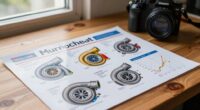
Before attempting to pass emissions with mods, first identify all aftermarket parts installed and ensure they’re compatible and properly calibrated, especially sensors like oxygen or MAF sensors. Use an OBD-II scanner to confirm all emissions system readiness monitors are complete, which may require a drive cycle. Consider professional inspection to verify airflow and sensor accuracy, as proper calibration is vital. If you’d like detailed steps to optimize your modifications for emissions tests, keep exploring the fundamental tips ahead.

Get garage and car supplies delivered free — and shop member deals
- Fast, free delivery on millions of items
- Access to Prime Big Deal Days deals on October 6–7
- Prime Video, Amazon Music and more included
Key Takeaways
- Identify and document all aftermarket parts installed, especially those affecting emissions or sensor readings.
- Ensure all sensors, like oxygen sensors and MAF, are properly calibrated after modifications.
- Verify that emissions system self-checks are complete using an OBD-II scanner before testing.
- Confirm aftermarket parts are compatible with your vehicle’s emissions systems to avoid disruptions.
- Seek professional inspection or calibration to optimize sensor function and increase chances of passing.
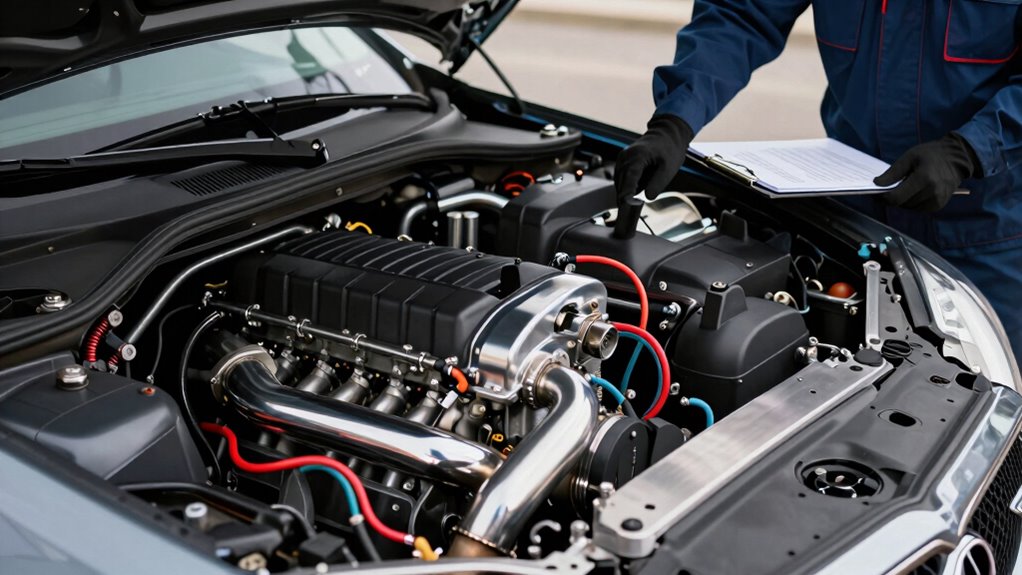
Are you wondering how to pass emissions tests after making modifications to your vehicle? If you’ve recently installed aftermarket parts or made other changes, you might be concerned about whether your car will meet emissions standards. The key to ensuring a smooth pass is proper sensor calibration. When you add aftermarket parts, especially those that affect the engine’s air-fuel mixture or exhaust system, sensors like oxygen sensors or the mass airflow sensor may need recalibration. These sensors are vital for monitoring emissions and engine performance, and if they’re not properly calibrated, your vehicle might not meet the emissions requirements.
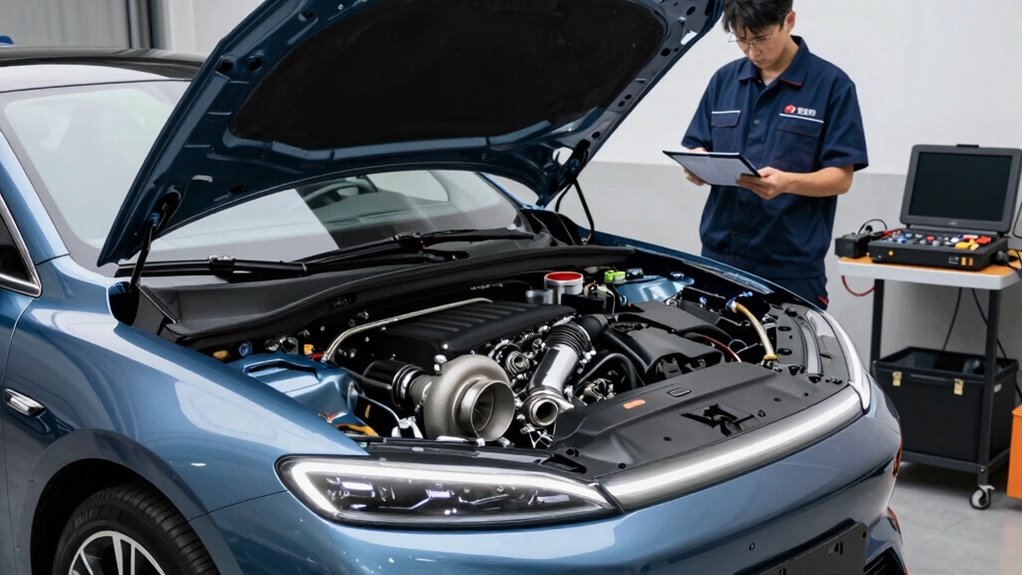
Start by identifying which aftermarket parts you’ve installed. Many modifications, such as performance headers, cat-back exhausts, or intake systems, can influence sensor readings. Once you know what’s been changed, you should verify if the sensors need recalibration. Some aftermarket parts include instructions or software updates to help with this, but others might require a visit to a mechanic or a dealership. Proper sensor calibration guarantees that the engine control unit (ECU) receives accurate data, which in turn helps the emissions system operate correctly. Skipping this step can lead to higher emissions readings or a failed test.
Identify aftermarket parts installed and verify if sensors need recalibration to ensure proper emissions system operation.
Next, check whether your vehicle’s onboard diagnostic system is ready for testing. Many modern cars perform self-checks on emissions-related components, and these checks must be complete before you go for the test. If your sensors aren’t properly calibrated or if the ECU detects issues, these readiness monitors might not be set, leading to a failed emissions test. You can usually check the status with an OBD-II scanner, which is widely available. If the readiness monitors aren’t complete, you may need to drive your vehicle for a few days under normal conditions to let the system run its checks. This process is often called “drive cycle,” and it helps the vehicle’s computer verify that emissions systems are functioning properly. Additionally, understanding the importance of sensor calibration can help you prioritize this step.
In addition, verify your aftermarket parts are compatible with your vehicle’s emissions system. Not all aftermarket modifications are created equal, and some can inadvertently disrupt emissions control devices. Consulting with a professional or doing thorough research beforehand can save you time and money. Finally, consider having a professional perform a pre-test inspection. They can verify that sensors are functioning correctly and confirm that your modifications won’t hinder emissions compliance. By focusing on sensor calibration and choosing quality aftermarket parts, you considerably increase your chances of passing emissions without hassle.
OBD-II scanner for emissions readiness
As an affiliate, we earn on qualifying purchases.
As an affiliate, we earn on qualifying purchases.
Frequently Asked Questions
Can Aftermarket Modifications Void My Vehicle’s Warranty?
Yes, aftermarket modifications can void your vehicle’s warranty, especially if they cause the issue you’re claiming warranty for. To avoid warranty concerns, check your manufacturer’s policy and keep detailed installation tips. Some mods might be covered if they don’t affect the vehicle’s core systems, but it’s best to consult your dealer beforehand. Always document your modifications to safeguard yourself and ensure you’re within warranty guidelines.
How Do I Know if My Mods Are Emission-Compliant?
You can determine if your mods are emission-compliant by checking their specifications and ensuring they meet local emissions testing standards. Look for certifications like CARB approval or EPA compliance labels on aftermarket parts. You should also verify your modifications don’t alter emissions control systems. Staying informed about legal compliance helps you pass emissions testing and avoid fines, so always double-check that your upgrades meet the required standards before heading to the testing station.
Are There Specific Mods That Automatically Fail Emissions Tests?
Your mods could turn your car into a ticking emissions violation time bomb. Some illegal modifications, like removing catalytic converters or tampering with ECU settings, automatically fail emissions tests. These illegal mods bypass emissions controls, making your vehicle non-compliant. Always research and verify your modifications are legal and emissions-friendly, or you risk failing tests and hefty fines. Stay smart, keep your mods compliant, and avoid turning your car into an environmental disaster.
How Often Should I Test My Vehicle’s Emissions After Modifications?
You should test your vehicle’s emissions after modifications at least every 6 to 12 months, depending on your local regulations. Regular emissions testing frequency helps catch issues early, especially if sensor calibration is needed after mods. Keep an eye on any warning lights and perform sensor calibration if you notice discrepancies. By staying proactive, you guarantee your vehicle stays compliant and performs at its best, avoiding unnecessary failures.
What Are the Penalties for Passing Emissions With Illegal Mods?
Like a knight facing a dragon, you risk severe penalties for illegal modifications. If caught passing emissions with illegal mods, you could face hefty fines, license suspension, or even vehicle impoundment. Authorities crack down on non-compliant vehicles, and penalties can escalate if you’re repeat offender. It’s best to verify your mods are legal and meet emissions standards to avoid these costly consequences and keep your ride on the road.
Conclusion
Now that you’ve got your mods in place, passing emissions is like guiding your car through a well-lit tunnel—smooth and straightforward. Think of it as tuning your ride’s voice so it sings in harmony with the law. With this checklist in your toolbox, you’re not just crossing the finish line; you’re cruising confidently, knowing your car’s ready to breathe clean and shine. So get out there, hit the road, and let your mods tell a story of smart, successful upgrades.
Halloween Picks
halloween
As an affiliate, we earn on qualifying purchases.