
To prevent power loss during EV track days, focus on managing your battery and tire heat. Monitor battery temperatures closely and activate cooling systems early to keep performance steady. Maintain proper tire pressures and avoid aggressive driving to prevent overheating tires. Vary your driving style, take breaks between sessions, and stay aware of heat buildup to maximize grip and battery life. Keep these tips in mind, and you’ll stay in control—discover more ways to optimize your track experience.
Key Takeaways
- Monitor battery temperature gauges and activate thermal management features early for optimal cooling.
- Use track-specific driving modes to enhance cooling and reduce thermal stress on the battery.
- Maintain proper tire pressure, use tire covers, and avoid aggressive maneuvers to prevent excessive heat buildup.
- Vary driving style and avoid continuous high-speed or sharp cornering to reduce localized heat and tire wear.
- Regularly check vehicle cooling systems and adapt driving habits to keep components within safe temperature limits.
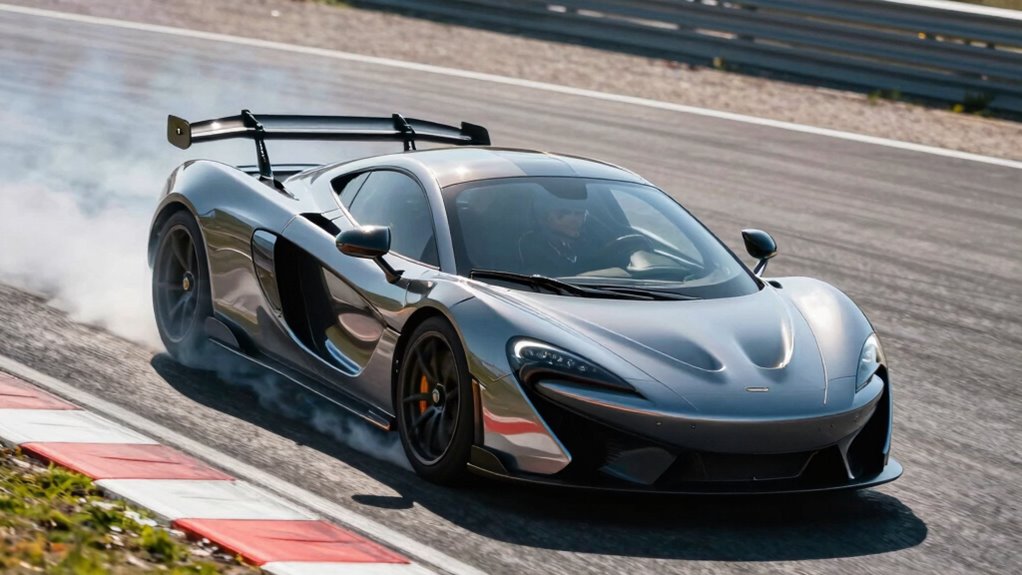
Electric vehicle (EV) track days are gaining popularity as enthusiasts seek high-performance driving experiences without the noise and emissions of traditional combustion engines. But to truly enjoy your time on the track, you need to understand how to manage heat effectively. EVs generate significant heat during spirited driving, especially in their batteries and tires, which are vital to maintaining consistent power and safety.
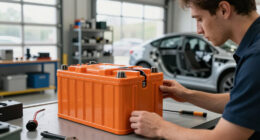
Battery cooling is essential because EV batteries are sensitive to temperature increases. When you push your vehicle hard, the battery heats up, and if it gets too hot, power delivery can be throttled, reducing performance and risking damage. To prevent this, many EVs are equipped with liquid cooling systems that circulate coolant through the battery pack. As a track day enthusiast, it’s important to monitor and refine this system. Before hitting the track, verify your cooling system is functioning properly, and consider using track-specific modes if available, which adjust cooling parameters for sustained high-performance driving. During your session, keep an eye on battery temperature gauges, and if your vehicle has thermal management features, activate them early to maximize cooling efficiency. Staying mindful of how your driving style impacts battery temperature helps you avoid power dips caused by overheating.
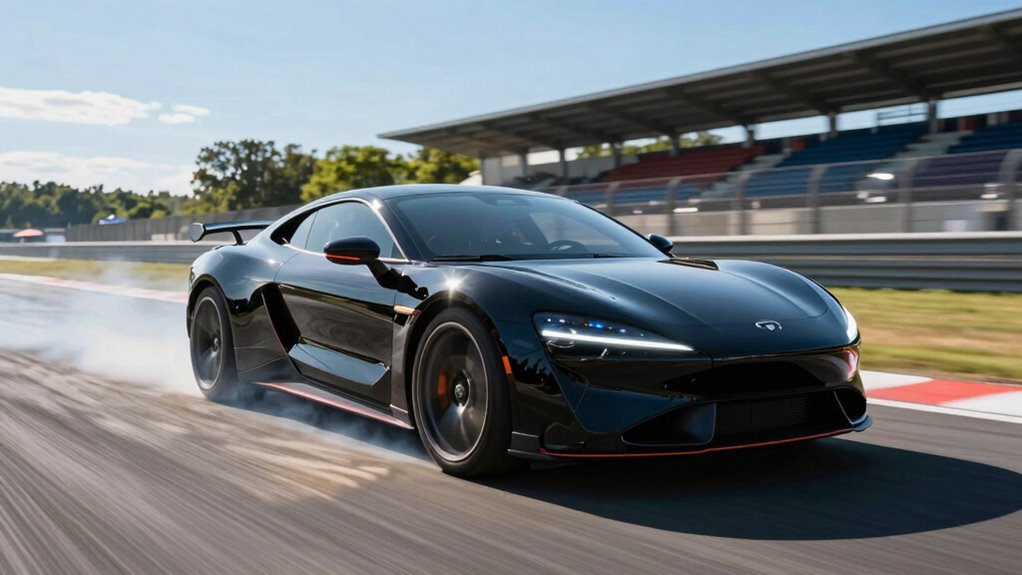
Tire management is equally vital. High-performance driving heats tires rapidly, especially under aggressive cornering and braking. Overheated tires lose grip and can lead to sliding or loss of control. To mitigate this, start with properly inflated tires suited for track conditions—underinflation or overinflation can both be problematic. Consistent tire pressure helps maintain even contact patches and predictable handling. As you drive, watch for signs of excessive heat buildup, like rapid tire wear or a noticeable decrease in grip. If your tires have temperature sensors, use that data to gauge when they’re reaching their ideal operating range, and consider using tire blankets or covers when parked between sessions to help maintain ideal temperature. During your runs, avoid aggressive steering inputs that cause uneven heat distribution, and try to vary your speed and cornering to prevent localized hot spots. Proper tire management extends not only tire life but also ensures consistent grip, keeping your car responsive and safe. Being aware of heat buildup in tires allows you to better control and maintain optimal performance.
Combining effective battery cooling and tire management strategies allows you to push your EV to its limits without losing power or control. Track days are about refining every component, and understanding how to keep heat in check means you’ll enjoy longer sessions, better performance, and a safer experience overall. Stay proactive, monitor your vehicle’s systems, and adapt your driving to keep everything cool—your EV will thank you with reliable, high-level performance every time you hit the track.
EV battery thermal management cooling system
As an affiliate, we earn on qualifying purchases.
As an affiliate, we earn on qualifying purchases.
Frequently Asked Questions
How Do Cooling Systems Differ Between Electric and Combustion Engine Vehicles?
You’ll find that cooling systems in electric vehicles mainly rely on liquid cooling and phase change materials, while combustion engines use air, liquid, or oil cooling. Your thermal management strategies focus on maintaining ideal battery temperature to prevent power loss. Electric vehicles often employ advanced cooling system types that precisely control heat, ensuring maximum performance, especially during track days. This differs from combustion engines, which depend more on airflow and simpler cooling methods.
What Are the Best Practices for Monitoring Battery Temperature During a Track Day?
You should regularly check your battery temperature sensors during a track day to stay informed about heat levels. Make certain your battery insulation is intact, as it helps regulate temperature. Use a dedicated monitoring system if available, and keep an eye on real-time data. If temperatures approach unsafe levels, consider cooling measures like pausing or reducing power. Staying vigilant prevents overheating and maintains peak performance.
Can Software Updates Improve Heat Management in EVS?
Think of software updates as a custom suit for your EV’s thermal system, fitting perfectly to improve heat management. They can optimize thermal modeling and enhance battery insulation, helping your car better control heat during intense track sessions. By refining how your vehicle monitors and responds to temperature changes, updates reduce overheating risks, maintain power, and prolong battery life—making sure your EV performs at its peak when you need it most.
How Does Ambient Temperature Affect EV Heat Management Strategies?
Ambient temperature profoundly impacts your EV’s thermal regulation strategies. When it’s hot outside, you need to enhance cooling systems to prevent overheating and power loss. Conversely, in cold conditions, you should precondition your vehicle to optimize battery temperature. Understanding ambient effects allows you to adjust driving habits and cooling settings accordingly, ensuring consistent performance and avoiding thermal management issues that could reduce your EV’s efficiency during track days.
Are There Aftermarket Cooling Solutions for Better Heat Dissipation?
Yes, there are aftermarket cooling solutions designed to improve heat dissipation for your electric vehicle. You can upgrade your cooling system with high-performance radiators, fans, or liquid cooling kits that help keep temperatures down during intense track days. These aftermarket cooling options enhance heat dissipation, preventing power loss and overheating. By installing these solutions, you’ll maintain ideal performance and extend your EV’s track-day capabilities.
Conclusion
To keep your EV’s performance steady during track days, always pay attention to heat management. Stay ahead of the game by monitoring your battery and motor temps, and don’t let things spiral out of control. Remember, a smart driver prevents trouble before it starts—it’s better to nip problems in the bud. With proper care, you’ll avoid losing power and keep your day running smoothly. After all, it’s better to be safe than sorry on the track.