
Aerodynamics greatly affect your highway EV’s efficiency by reducing wind resistance and improving range. A car with a low drag coefficient and streamlined shape cuts through air more easily, especially at high speeds. As speed increases, wind resistance jumps exponentially, meaning driving fast uses more energy. Features like smooth underbody panels and active grille shutters help lower drag. By understanding these impacts, you can make smarter choices for better efficiency—and more details lie ahead.

Get business pricing on garage and car supplies
- Business-only prices and quantity discounts
- Tax-exempt purchasing
- Multiple users, one account, clear invoices
Key Takeaways
- Aerodynamics directly affect EV range by reducing wind resistance, especially at highway speeds.
- A lower drag coefficient (Cd) allows EVs to cut through air more efficiently, conserving energy.
- Wind resistance increases exponentially with speed, sharply decreasing efficiency at higher velocities.
- Design features like smooth underbody panels and active shutters improve airflow and reduce drag.
- Moderate driving speeds and aerodynamic-aware choices maximize highway EV efficiency and extend range.
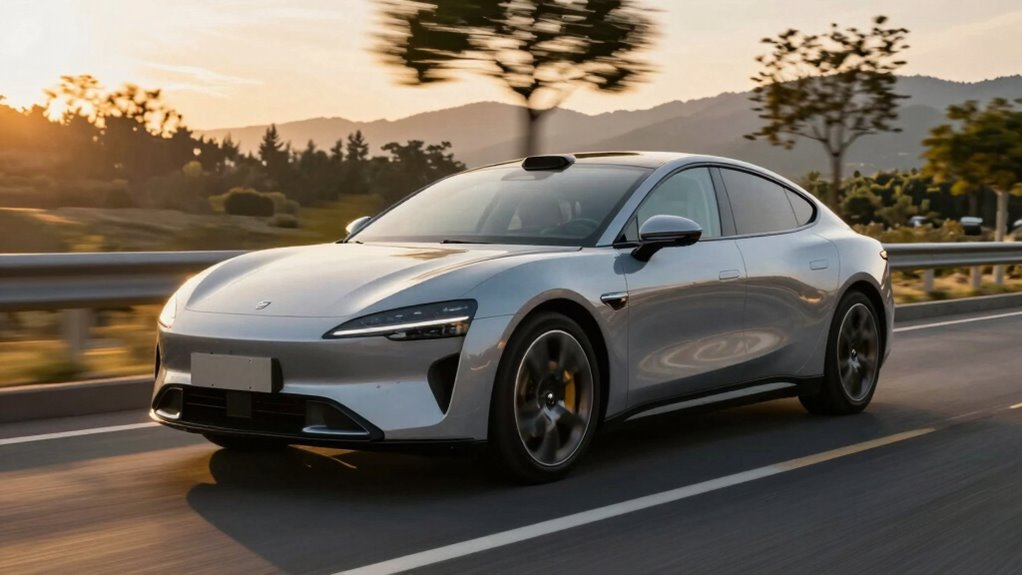
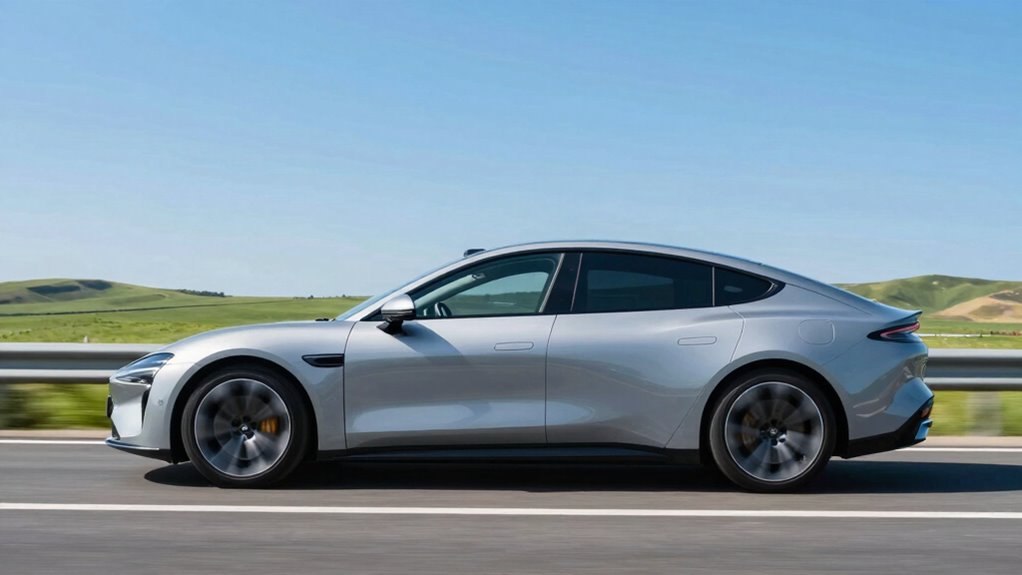
Understanding how aerodynamics influence electric vehicle (EV) efficiency is vital if you want to maximize your car’s range. When you hit the highway, wind resistance becomes one of the biggest factors working against you. As your vehicle moves forward, it pushes against the air, creating drag that requires more energy to overcome. The smoother and more streamlined your EV’s design, the less wind resistance it faces, which directly impacts how far you can go on a single charge.
One key term to grasp here is the drag coefficient, often represented as Cd. This number measures how aerodynamic your vehicle is—the lower the Cd, the better it cuts through the air. Vehicles with a low drag coefficient produce less drag at highway speeds, meaning your electric motor needs to work less hard to maintain speed. When your car’s shape is optimized for airflow, it minimizes turbulence and air resistance, resulting in less energy consumption and extended range.
You might notice that some EVs are designed with sleek, streamlined bodies that hug the road closely. These designs cut down on wind resistance, allowing you to travel farther on the same amount of battery power. Conversely, bulkier or boxier shapes increase the drag coefficient, which means more energy is needed to push through the air. Even small differences in design, like side mirrors or roof racks, can significantly raise wind resistance, so it’s worth paying attention to these details if you want to squeeze every mile out of your EV.
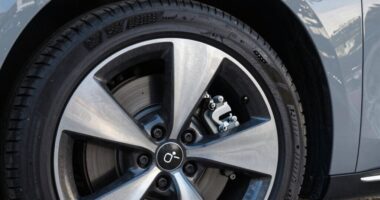
Driving at higher speeds amplifies the effects of wind resistance because drag increases exponentially with speed. For example, doubling your speed does not just double the wind resistance—it can quadruple it. That means your EV’s efficiency drops sharply as you accelerate beyond certain speeds. To maximize range, it’s best to keep your speed moderate and avoid aggressive acceleration, especially on the highway where wind resistance plays the biggest role. Additionally, aerodynamic features such as active grille shutters or smooth underbody panels can further reduce drag and improve efficiency. Understanding the effect of speed on aerodynamics can help you make smarter driving choices to conserve energy. Recognizing the importance of vehicle design can also influence future electric vehicle purchases or modifications to enhance efficiency. Paying attention to aerodynamic optimization can lead to significant improvements in overall vehicle performance and range.
As an affiliate, we earn on qualifying purchases.
Frequently Asked Questions
How Does Tire Pressure Influence Aerodynamic Efficiency in EVS?
Lower tire pressure can negatively affect aerodynamic efficiency in EVs by causing more tire deformation, which disrupts airflow management around your vehicle. Proper tire pressure guarantees smoother tire design and maintains ideal airflow, reducing drag. When your tires are properly inflated, it helps the vehicle cut through the air more effectively, conserving energy. Keep an eye on tire pressure to maximize aerodynamic benefits, ultimately improving your EV’s highway efficiency.
What Role Does Vehicle Weight Play Alongside Aerodynamics?
Vehicle weight, or vehicle mass, considerably affects your EV’s efficiency, especially when combined with its drag coefficient. A heavier car requires more energy to maintain speed, increasing energy consumption. While good aerodynamics reduces drag, added weight can offset these benefits by demanding more power. To maximize efficiency, aim for a balance: optimize your EV’s vehicle mass and minimize its drag coefficient for better highway performance.
Are There Specific Weather Conditions That Affect Aerodynamic Performance?
Think of wind resistance as an invisible hand pushing against your car’s sleek form, sometimes more forceful in certain weather. Rain effects can add weight and create slick surfaces, making your vehicle work harder to maintain efficiency. When wind gusts blow fiercely or rain pelts down, aerodynamic performance drops, forcing your EV to consume more energy. So, weather conditions like strong winds and heavy rain directly challenge your vehicle’s aerodynamic edge.
How Do Aftermarket Modifications Impact an Ev’s Aerodynamics?
Aftermarket spoilers and body kit modifications can markedly impact your EV’s aerodynamics. If designed correctly, they can reduce drag and improve efficiency, especially at highway speeds. However, poorly designed or improperly installed modifications may increase turbulence and drag, decreasing your vehicle’s range. Always choose high-quality, aerodynamically optimized aftermarket spoilers and body kits, and make sure they’re professionally installed to maximize benefits and maintain your EV’s efficiency on the road.
Can Aerodynamics Improve EV Range at City Speeds?
Surprisingly, aerodynamics can boost your EV’s range even at city speeds. By reducing aero drag through smart airflow management, you prevent unnecessary energy drain from turbulent air around your vehicle. While many think aerodynamics only matter on highways, improving airflow at lower speeds minimizes resistance, letting your EV use less energy and go farther—proving that good design isn’t just for speed but city efficiency too.
Conclusion
Understanding aerodynamics is like tuning a finely crafted instrument—you’re optimizing every curve and surface to reveal your EV’s full potential. When you embrace the power of sleek design, you’ll glide more efficiently down the highway, conserving energy and extending your range. Remember, small aerodynamic tweaks are like adding feathers to your wings—they may seem minor, but they can lift your EV to new heights of performance. Drive smart, and let aerodynamics be your secret advantage.
Halloween Picks
halloween
As an affiliate, we earn on qualifying purchases.