Maintaining proper tire pressure is one of the cheapest ways to boost your vehicle’s performance, safety, and fuel efficiency. When your tires are at the right pressure, you get better handling, improved grip, and less uneven wear, all without spending much. It’s quick, simple, and requires only a gauge and air compressor, making it an affordable upgrade that delivers big benefits. Keep going, and you’ll discover even more ways to get the most out of your car.
Key Takeaways
- Proper tire pressure improves vehicle handling and safety without expensive modifications.
- Maintaining correct pressure reduces fuel consumption, saving money over time.
- It prevents uneven tire wear, extending tire lifespan and lowering replacement costs.
- Checking and adjusting pressure is quick, simple, and requires minimal tools like a gauge and compressor.
- Consistent pressure management enhances overall performance, making it a cost-effective upgrade.
Maintaining the correct tire pressure is vital for ideal vehicle performance, safety, and fuel efficiency. It’s one of the simplest yet most effective ways to enhance how your car drives and how much you spend at the pump. Many drivers overlook this fundamental aspect, but paying attention to tire pressure can deliver noticeable improvements without costing a fortune. Tire pressure monitoring systems help you stay on top of your tire health by alerting you when pressure drops below recommended levels, ensuring you don’t ignore signs of underinflation. Properly monitored and maintained tire pressure keeps your tires in prime shape, reducing uneven wear and preventing potential blowouts. Regularly checking your tire pressure also supports broader sustainable living practices by reducing unnecessary fuel consumption and emissions.
Maintaining proper tire pressure enhances safety, performance, and fuel efficiency with minimal effort and cost.
Inflation techniques are straightforward once you get the hang of them. You’ll want to use a reliable pressure gauge to check your tires regularly—preferably once a month and before long trips. When inflating, always refer to your vehicle’s manufacturer specifications, which are usually found on a sticker inside the driver’s door or in your owner’s manual. Using an air compressor, fill your tires gradually, checking the pressure often to avoid overinflation. This method guarantees that each tire reaches the exact pressure needed for your vehicle, ensuring balanced handling and maximizing fuel economy. Remember, cold tires provide the most accurate readings because heat from driving can temporarily inflate the tires and give false readings. Consistent maintenance** of tire pressure is also key to preventing uneven tire wear over time. Additionally, understanding tire pressure standards can help you make informed decisions about optimal inflation levels for your specific vehicle. Incorporating accurate tire pressure readings into your regular vehicle checks can significantly extend the lifespan of your tires. Staying informed about your tire’s recommended pressure levels** can further optimize your vehicle’s safety and efficiency.
The beauty of focusing on tire pressure is that it’s an inexpensive performance upgrade. Unlike high-tech modifications or expensive repairs, adjusting your tire pressure requires minimal investment—just a good quality gauge and a reliable air compressor. Properly inflated tires have less rolling resistance, which means your engine doesn’t work as hard, saving fuel and reducing emissions. It also enhances your vehicle’s grip on the road, providing better steering response and stability, especially in adverse weather conditions. Over time, maintaining correct tire pressure can extend the lifespan of your tires, saving you money on replacements.
In essence, tire pressure is a small detail with a big impact. Regularly checking and adjusting your tires using effective inflation techniques boosts your vehicle’s overall performance at virtually no cost. Tire pressure monitoring keeps you aware of your tire’s condition, making it easier to stay on top of maintenance. When you prioritize this simple task, you’re not just improving safety and efficiency—you’re also getting the most out of your vehicle without breaking the bank. It’s a smart, budget-friendly way to enhance your driving experience, proving that sometimes, the simplest solutions are the most effective.
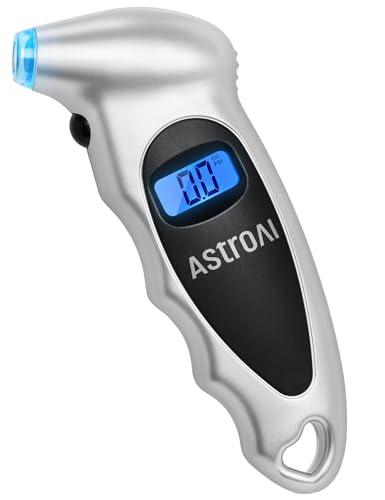
AstroAI Digital Tire Pressure Gauge 0-150PSI Calibrated to ANSI B40.7 +/-1PSI, Accurate in 0.1 Increments, Tire Repair Tools 4 Pressure Measurements for Car Truck with Backlight LCD, Silver
Accurate, Dependable Readings: Factory‑calibrated to ±1 PSI, so you can confidently match your vehicle’s recommended PSI (check the…
As an affiliate, we earn on qualifying purchases.
As an affiliate, we earn on qualifying purchases.
Frequently Asked Questions
How Often Should I Check My Tire Pressure?
You should check your tire pressure at least once a month to guarantee maximum safety and performance. Regular checks help prevent safety concerns like blowouts or uneven wear. Also, inspect your tires before long trips or when there’s a noticeable change in handling. Proper tire pressure improves fuel efficiency and prolongs tire life, making it an inexpensive yet essential maintenance step that keeps you safe on the road.
Does Tire Pressure Affect Fuel Efficiency?
Yes, tire pressure maintenance directly impacts fuel efficiency. When your tires are properly inflated, they roll more smoothly, reducing resistance and improving gas mileage. Under-inflated tires increase rolling resistance, causing your engine to work harder and consume more fuel. Regularly checking and maintaining ideal tire pressure helps maximize fuel efficiency, saving you money at the pump. Proper tire pressure isn’t just about safety; it’s a simple, cost-effective way to boost performance.
Can Incorrect Tire Pressure Cause Uneven Tire Wear?
Yes, incorrect tire pressure can cause uneven tire wear. When your tire pressure is off, it affects your tire’s tread pattern and can lead to uneven wear patterns. This often results in premature tire replacement and may also indicate issues with your tire alignment. Regularly checking and maintaining proper tire pressure helps guarantee even wear, extends tire life, and maintains ideal vehicle handling.
What Tools Are Best for Measuring Tire Pressure?
A stitch in time saves nine, so you should always have the right tools for measuring tire pressure. The best options include a reliable tire gauge or a digital meter, both offering accurate readings. A tire gauge is straightforward and easy to use, while a digital meter provides precise, quick measurements. Investing in these tools guarantees you maintain ideal tire pressure, improving performance and longevity.
How Does Temperature Influence Optimal Tire Pressure?
Temperature fluctuations directly impact your tire pressure, causing it to rise in hot weather and drop when it’s cold. To maintain ideal pressure, you should use pressure adjustment techniques like checking and adjusting your tires when they’re cold, ideally before driving or after parking for a few hours. Regularly monitoring and adapting to these temperature changes ensures your tires stay at the right pressure, improving performance and safety.

ROCGORLD R8 Tire Inflator Portable Air Compressor, DC 12V Air Compressor Portable with Large Dual Digital Screen, 3X Faster Inflation Air Pump for Car, Bike, Ball, Motor
Fast-Inflation & Compact: Our compact and lightning-fast upgrade to the popular R7 air compressor portable. With a powerful…
As an affiliate, we earn on qualifying purchases.
As an affiliate, we earn on qualifying purchases.
Conclusion
Just like fine-tuning a musical instrument can release richer sounds, adjusting your tire pressure can dramatically boost your car’s performance. I once forgot to check mine before a long drive, and the ride felt sluggish—like playing out of tune. When I finally corrected it, everything snapped into place. Remember, a simple tweak can be the cheapest tune-up, turning your vehicle into a well-oiled machine. Keep an eye on those pressures; it’s your secret weapon.

AstroAI Tire Pressure Gauge with Inflator, 100 PSI-ANSI B40.1 Accurate, Large 2.5" Easy Read Glow Dial, Heavy Duty Air Chuck and Compressor Accessories with Rubber Hose and Quick Connect Coupler
Advanced accuracy: Professionally calibrated tire pressure gauges for cars. Accurately measures from 0-100 PSI with a resolution of…
As an affiliate, we earn on qualifying purchases.
As an affiliate, we earn on qualifying purchases.

Tymate TM7 Tire Pressure Monitoring System, Wireless TPMS with 4 External Sensors & 6 Alarm Modes, Colorful Display, Real-time Tire Pressure Monitor System, Ideal for RV SUV MPV Truck Sedan(0-144 PSI)
[Accurate Real-time Monitoring & Multi-Alert System]: Tymate TM7 tpms sensor can be used to monitor your tires’ pressure…
As an affiliate, we earn on qualifying purchases.
As an affiliate, we earn on qualifying purchases.