
TL;DR

Get business pricing on garage and car supplies
- Business-only prices and quantity discounts
- Tax-exempt purchasing
- Multiple users, one account, clear invoices
Tesla announced that its Cybercab electric vehicle is street legal, but regulators are now examining how it meets safety and legal standards. The development raises questions about regulatory oversight and vehicle classification.
Tesla has announced that its upcoming electric vehicle, the Cybercab, is street legal, a claim that has prompted regulatory scrutiny. While Tesla asserts the vehicle meets legal requirements for road use, authorities are now investigating how it qualifies under current vehicle standards. This development is significant because it could influence how electric and autonomous vehicles are classified and regulated in the future.
According to Tesla, the Cybercab has received certification or approval indicating it is street legal, though the company has not provided detailed documentation or specific regulatory approvals. The automaker’s statement comes amid rising interest in electric and autonomous vehicles, with the Cybercab positioned as a new, potentially disruptive model designed for urban mobility.
Regulators, however, have expressed interest in understanding the basis for Tesla’s claim. Multiple agencies are reportedly reviewing the vehicle’s compliance with safety standards, vehicle classification criteria, and roadworthiness requirements. It is not yet clear whether the Cybercab has undergone formal certification processes or if Tesla is making a broader claim based on internal testing or other assessments.
Sources close to the matter indicate that the investigation is still in early stages, and no official regulatory decision has been announced. Tesla has not yet provided detailed technical documentation or specifics about the vehicle’s compliance measures, citing ongoing discussions with authorities.
Implications for Vehicle Regulations and Market Access
This development could have broad implications for how new electric and autonomous vehicles are classified and approved for road use. If Tesla’s claim is validated, it may set a precedent for faster or more flexible approval processes for innovative vehicle designs. Conversely, if regulators determine the vehicle does not meet existing standards, it could delay or restrict the Cybercab’s deployment, impacting Tesla’s strategic plans and the broader EV market. The case highlights ongoing regulatory challenges in adapting laws to emerging vehicle technologies and may influence future policy adjustments.Products Worth Considering

Chemical Guys 17-Piece Car Detailing Kit for Interior, Exterior, and Wheels

Garmin Dash Cam 20 Standalone Driving Recorder
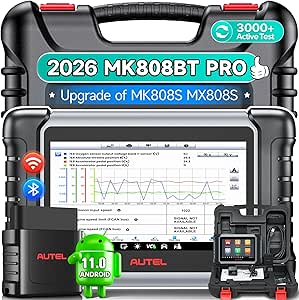
Autel MaxiCOM MK808BT PRO Bidirectional OBD2 Diagnostic Scanner
As an affiliate, we earn on qualifying purchases.
Rising Interest in Electric and Autonomous Vehicles
The interest in Tesla’s Cybercab and similar vehicles has surged recently, driven by the broader push toward electric mobility and autonomous driving technology. Tesla has long been a leader in EV innovation, and its claims about the Cybercab’s street legality come amid increased scrutiny of vehicle safety standards and regulatory frameworks. Historically, vehicle classification has depended on factors such as weight, design, and intended use, but new vehicle types—especially those with autonomous features—are challenging traditional categories.
Regulatory agencies worldwide are actively working to update standards to accommodate these innovations, but the process remains complex and often slow. Tesla’s assertion that the Cybercab is street legal adds to the ongoing debate about how best to regulate emerging vehicle technologies while ensuring safety and compliance.
While Tesla has a track record of pushing boundaries, the current situation underscores the uncertainty surrounding the legal status of novel EVs and autonomous vehicles in various jurisdictions. The investigation by regulators indicates a cautious approach, emphasizing the need for clarity and consistency in vehicle classification laws.
Details of Regulatory Approval and Compliance Still Unclear
It remains unclear whether Tesla’s claim is based on formal certification, internal testing, or other assessments. No official documentation or regulatory approval has been publicly disclosed. The scope of the regulatory review and the criteria being applied are also not yet known, leaving questions about the vehicle’s legal classification and safety compliance unresolved.
Next Steps in Regulatory Review and Tesla’s Clarifications
Regulators are expected to complete their review in the coming weeks, potentially issuing a formal statement on the Cybercab’s legal status. Tesla may also provide additional documentation or clarification to support its claim. The outcome could influence future vehicle approval processes and impact Tesla’s plans for commercial deployment of the Cybercab. Industry observers will be watching closely for any regulatory decisions or public disclosures.
Key Questions
What does it mean for a vehicle to be street legal?
A street-legal vehicle meets the safety, emissions, and design standards required by law to operate on public roads. This typically includes safety features, lighting, emissions controls, and compliance with vehicle classification criteria.
Why is Tesla’s claim about the Cybercab significant?
If validated, it could accelerate the deployment of new vehicle types and influence regulatory approaches to autonomous and electric vehicles, potentially setting new standards for approval processes.
What are the potential risks if regulators do not approve the Cybercab?
The vehicle could face restrictions or bans from public roads, delaying Tesla’s plans and possibly affecting investor confidence and market dynamics for electric urban mobility solutions.
Has Tesla provided any technical documentation to support their claim?
As of now, Tesla has not publicly disclosed detailed technical documents or certifications. The company’s statement remains a broad assertion pending official regulatory review.
When will regulators make a final decision?
The timeline is uncertain; regulators have not announced a specific date for their review completion. Expect updates in the coming weeks as the investigation progresses.
Source: rss