
TL;DR
Search and coverage interest is spiking around the aging of electric vehicles — battery degradation, aging fleets, and long-term ownership costs. The topic shifts focus from political debates to the practical realities of EVs as they age, though the specific trigger for the surge is unconfirmed.
Coverage and search interest are spiking around a practical question that has moved past the political debate over electric vehicles: what happens to EVs as they age. The trend signal, flagged by an industry RSS feed, centers on battery degradation, aging fleets, and the long-term costs of EV ownership — a topic that reframes the EV discussion from charging infrastructure and government mandates to the realities of vehicles that are now entering their second decade on the road.
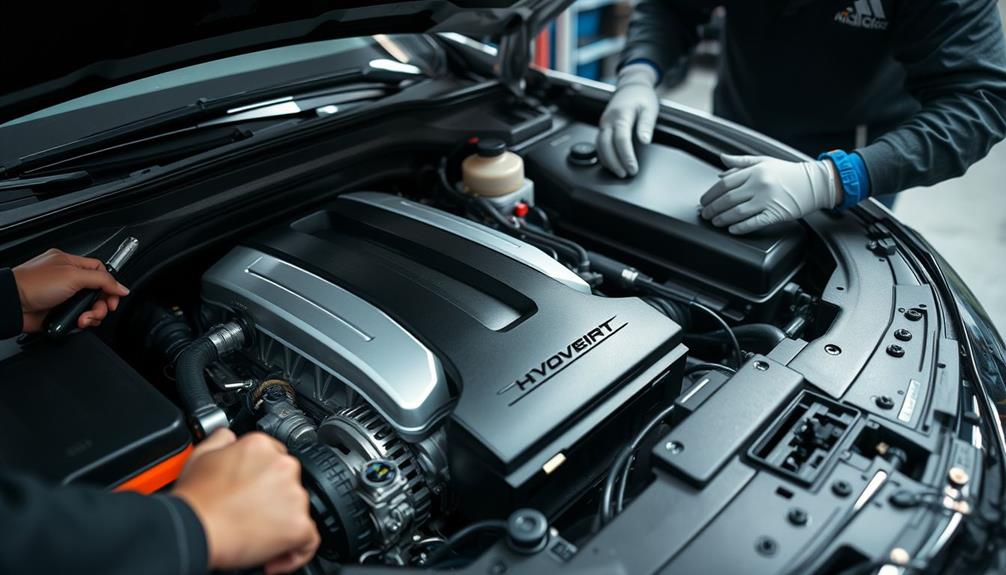
The core of the topic is well-established: EV batteries degrade over time, losing capacity with each charge cycle and as they age. The U.S. Department of Energy’s Alternative Fuels Data Center says most manufacturers warranty EV batteries for at least eight years or 100,000 miles; federal rules for covered vehicles require a minimum warranty of eight years or 100,000 miles. Many automakers specify a capacity-retention threshold, often around 70 percent, but terms vary by model and manufacturer. The DOE’s Vehicle Technologies Office notes that replacement costs depend on the vehicle and battery and can be substantial.
The first wave of mass-market EVs — models sold in the early to mid-2010s — is now approaching or passing the decade-old mark. Registration and sales histories published by the International Energy Agency document the growth of the global EV fleet since the early 2010s. Used-car listings and battery-health reports can show the condition of individual vehicles, but a trend signal alone does not establish how many older EVs have significant range loss or whether their batteries are in poor health. Battery condition varies with model, climate, use, and charging history.
Why Aging EVs Matter Now
The aging of the EV fleet carries real consequences for resale values, repair costs, and the environmental math that underpins EV adoption. Reduced battery capacity can lower a vehicle’s usable range, but the effect on resale value varies by model, market, and battery condition. U.S. Department of Energy guidance and battery-aging research identify factors such as temperature and use that can affect battery life; buyers should assess the specific vehicle rather than assume that age or odometer reading alone determines battery health.
Battery replacement can be an expensive repair, though costs vary by vehicle and are changing over time. The U.S. Department of Energy’s Vehicle Technologies Office tracks declines in lithium-ion battery pack prices, while actual replacement estimates depend on the model, pack, labor, and repair option. Whether a replacement approaches a vehicle’s residual value is a case-by-case question. Lifecycle analyses by the International Council on Clean Transportation find that EV life-cycle emissions depend on factors including vehicle production, electricity supply, and lifetime mileage; battery condition is one consideration in how long a vehicle remains useful.
The EV Fleet Is Getting Older
Electric vehicles have been sold in meaningful volumes for roughly a decade and a half, and the earliest mainstream models are now well into their twilight years. Nissan Leaf and Chevrolet Volt sales began in 2010, and Tesla began delivering Model S vehicles in 2012, according to company histories and contemporary sales records. Battery chemistry and thermal-management systems vary across models and model years; the U.S. Department of Energy and Argonne National Laboratory publish research on battery technologies and performance, but improvements do not mean every newer pack will outlast every older one.
Political debates over EV mandates, charging infrastructure, and grid capacity have dominated headlines in recent years. The trend signal indicates that the conversation is shifting toward the operational realities of vehicles already in service — how they hold up, what they cost to maintain, and what their condition means for the broader transition. The signal does not establish how widespread or lasting that shift is.
What Triggered the Surge
The specific trigger for the spike in interest is unconfirmed. No specific study, announcement, or data release has been identified as the catalyst. The trend signal reflects a rise in coverage and search activity around the topic, but the underlying event — if any — remains unclear.
It is also not yet clear whether the interest is driven by a particular market, such as the used EV segment, or by a specific technical development in battery diagnostics or replacement pricing. Details are still emerging, and the scope of the trend — whether it is a short-term spike or a sustained shift in attention — has yet to be established.
Watching for Data and Developments
Industry observers will be watching for new data on battery degradation rates, used EV pricing trends, and any announcements from automakers or battery suppliers about longevity improvements. If the trend reflects a genuine shift in market attention, it could prompt more transparent disclosure of battery health in used EV listings, or renewed pressure on manufacturers to address aging-vehicle concerns.
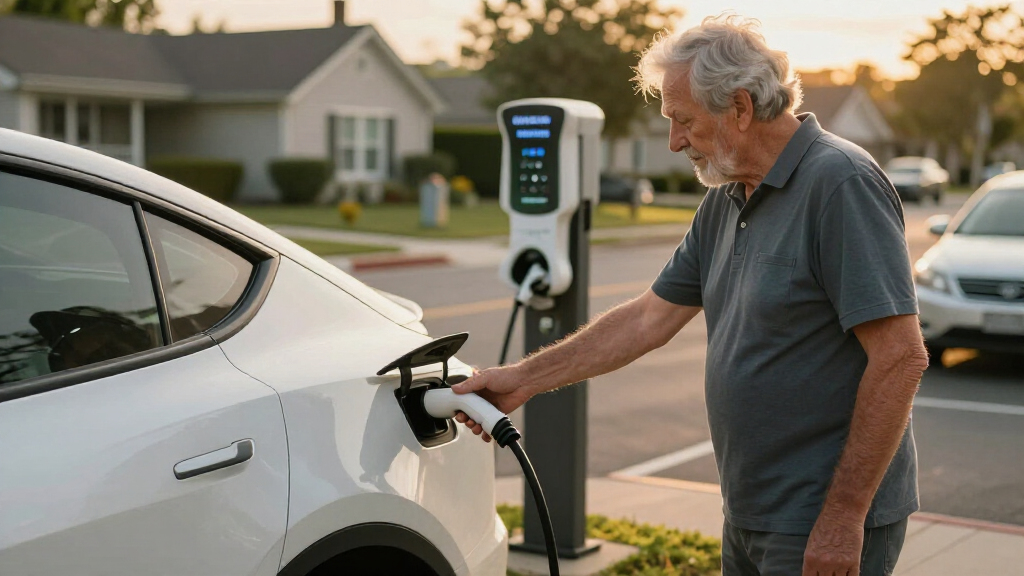
For now, the practical guidance for EV owners remains unchanged: monitor battery health, follow manufacturer recommendations on charging, and factor replacement costs into long-term ownership plans. The coming weeks may clarify whether this trend signal points to a specific development or simply reflects growing consumer awareness of how EVs age.
Key Questions
How much range do EV batteries lose as they age?
Most automakers warrant EV batteries to retain at least 70 percent of original capacity over eight years or 100,000 miles. Actual degradation varies by chemistry, climate, and charging habits, with most studies showing gradual loss rather than sudden failure.
What does it cost to replace an EV battery?
Replacement costs vary widely by vehicle and pack size, but they can range from several thousand dollars to more than $20,000 for large packs in premium vehicles. Costs have been declining as battery prices fall, but replacement remains a major expense.
Should I buy a used EV with high mileage?
It depends on the battery’s health. A used EV with strong battery condition can be a good value, but buyers should seek battery health reports or have the vehicle inspected. Range loss and warranty status are key factors.
Do EV batteries fail suddenly or degrade gradually?
Degradation is typically gradual, with capacity declining slowly over time. Sudden failures are rare and usually result from manufacturing defects or thermal management issues, which is why most packs are warrantied for eight years.
Are newer EV batteries more durable than older ones?
Yes. Newer packs use more stable chemistries, improved thermal management, and better battery management systems, which generally reduce degradation rates compared to early-generation EVs from the 2010s.
Source: rss