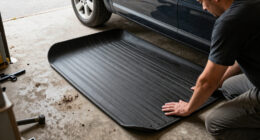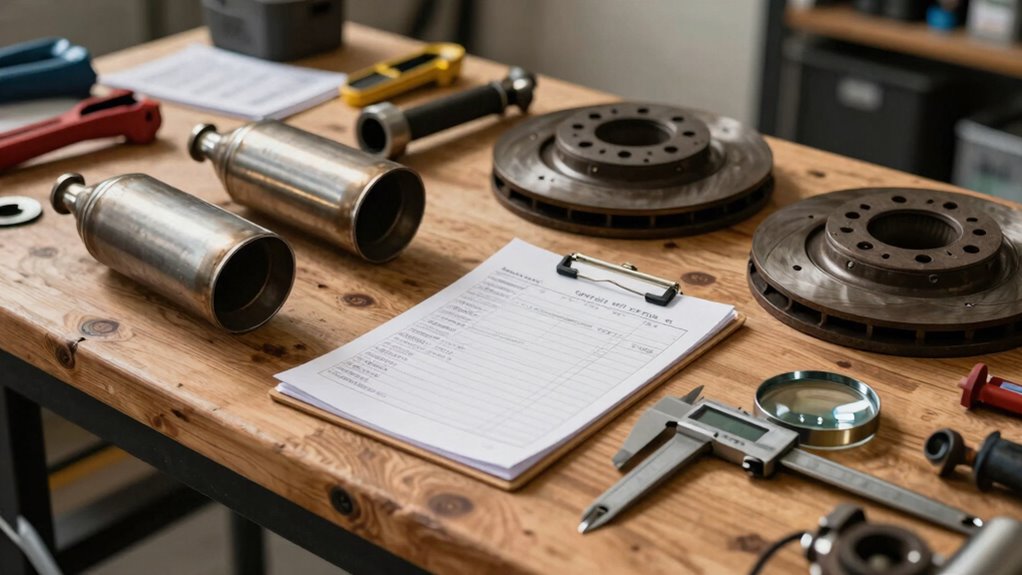
Before buying used performance parts, check if the warranty is still valid or if the seller offers a guarantee. Examine the part’s condition and quality, and review any available documentation or receipts. Confirm the source of the part to assess reliability and verify compatibility with your vehicle by comparing part numbers. Conduct a thorough inspection before finalizing your purchase to avoid future issues. Keep these tips in mind—there’s more to think about for a wise buy.

Get business pricing on garage and car supplies
- Business-only prices and quantity discounts
- Tax-exempt purchasing
- Multiple users, one account, clear invoices
Key Takeaways
- Verify warranty status and seller guarantees to understand coverage and potential risks.
- Inspect the part thoroughly for condition, quality, and signs of wear or damage.
- Confirm the source and review documentation for authenticity and reliability.
- Ensure compatibility by checking part numbers and specifications specific to your vehicle.
- Conduct final inspection to verify all details match the vehicle’s requirements and avoid future issues.
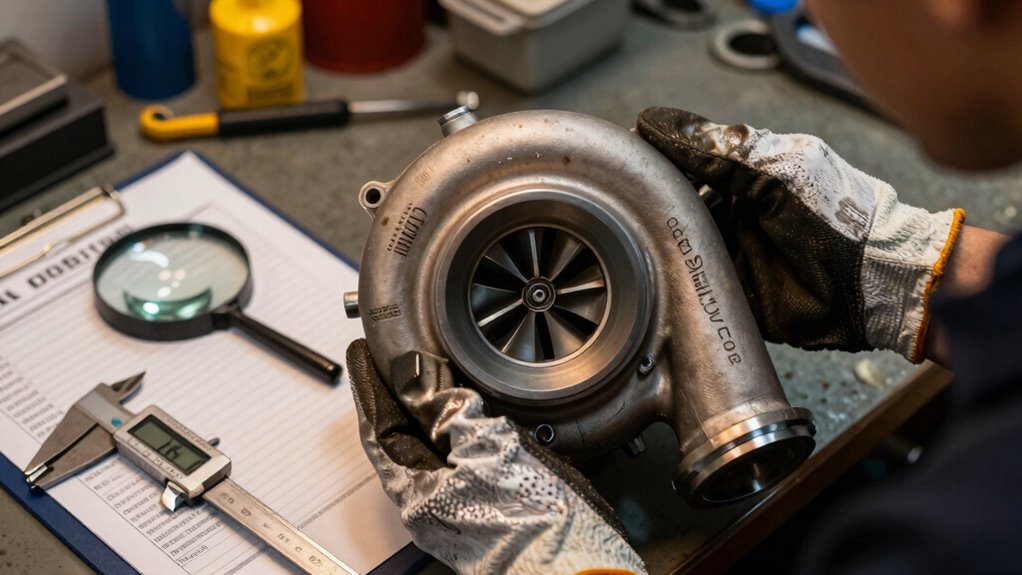
Buying used performance parts can be a smart way to upgrade your vehicle without breaking the bank, but it also comes with risks if you’re not careful. One of the most important things to take into account is warranty coverage. Used parts often lack the original manufacturer’s warranty, so you need to ask whether any warranty is still valid or if the seller offers a guarantee. Understanding warranty considerations helps protect you from potential defects or failures that could cost you more in the long run. If the seller provides a warranty or return policy, read the fine print to know what’s covered and how long the coverage lasts. If no warranty exists, be prepared to accept the risk of potential issues down the line. Additionally, verifying the condition of the part can help you avoid surprises after purchase. It’s also wise to consider the quality of the used parts, as this can significantly impact their longevity and performance. Checking the source of the parts can provide insight into their history and reliability, especially when combined with documentation or receipts. Conducting a thorough inspection before finalizing your purchase can further reduce the risk of acquiring faulty components. Compatibility verification is another critical step. Before purchasing, you must ensure the part will fit your specific make and model. Check the part numbers, specifications, and any other details the seller provides. Comparing these to your vehicle’s requirements helps prevent mismatched parts that could cause performance problems or damage. If you’re uncertain, consult online forums or speak with a mechanic who specializes in your vehicle’s brand. Accurate compatibility verification saves you from the hassle and cost of installing incompatible parts, which could lead to additional repairs or modifications.
used performance car parts warranty
As an affiliate, we earn on qualifying purchases.
As an affiliate, we earn on qualifying purchases.
Frequently Asked Questions
How Do I Verify the Authenticity of Used Performance Parts?
To verify the authenticity of used performance parts, start by researching the brand’s credibility through official sources or forums. Check the seller’s reputation by reading reviews and asking for references. Examine the parts closely for proper branding, serial numbers, or unique markings. If possible, request proof of purchase and warranty documents. Doing this helps guarantee you’re buying genuine parts from reputable sellers, reducing the risk of counterfeit or subpar components.
What Are Common Signs of Worn or Damaged Used Parts?
You can spot worn or damaged used parts through visual inspection—look for cracks, corrosion, or excessive wear. Functional testing is also vital; test the part’s performance to guarantee it operates smoothly without unusual noises or vibrations. If anything looks or sounds off during these checks, it’s a sign the part might be compromised. Always be cautious and thorough to avoid buying something that could fail prematurely.
How Do I Determine if a Used Part Is Compatible With My Vehicle?
Think of your vehicle as a finely tuned orchestra—every part must harmonize. To determine if a used part fits, check its specifications against your car’s manual or OEM data. Use installation tips from trusted sources and consider maintenance considerations like compatibility with existing systems. Confirm dimensions, bolt patterns, and electrical connections. When in doubt, consult a professional to verify seamless integration and avoid future issues.
What Warranties or Guarantees Are Available for Used Performance Parts?
When buying used performance parts, check if the seller offers any warranties or guarantees. Manufacturer warranties might still apply, especially if the part is relatively new or refurbished, providing peace of mind. Also, review return policies, so you know if you can return or exchange the part if it doesn’t meet your expectations or has issues. Always ask about these protections before finalizing your purchase to avoid future hassle.
How Can I Negotiate the Price of Used Performance Parts Effectively?
To negotiate the price of used performance parts effectively, use solid pricing strategies like researching market values beforehand. Apply negotiation tips such as starting with a lower offer, highlighting any flaws, and being ready to walk away if needed. Stay polite and confident, and emphasize your willingness to buy immediately if the price drops. This approach shows you’re serious and can help you secure a better deal.
Conclusion
Before you make that purchase, trust the checklist to guarantee you’re getting quality used performance parts. It’s tempting to believe all deals are good deals, but thoroughly inspecting and verifying authenticity can save you from costly mistakes. Many think used parts are always a gamble, but with careful research and attention, you can confidently upgrade your ride without breaking the bank. Remember, a well-informed buyer is a smart buyer—so check everything before you buy!
Halloween Picks
halloween
As an affiliate, we earn on qualifying purchases.