
You can feel your car’s corner weight through subtle cues like leaning into turns, the effort needed on the steering wheel, and how responsive the car feels during cornering. If one side leans more or the steering requires extra effort, it indicates uneven weight distribution. Small changes in how the car responds can tell you about balance issues. Keep paying attention to these sensations, and you’ll uncover how to fine-tune your setup for better handling.

Get business pricing on garage and car supplies
- Business-only prices and quantity discounts
- Tax-exempt purchasing
- Multiple users, one account, clear invoices
Key Takeaways
- Notice excessive car lean or tilt during turns, indicating uneven weight distribution across corners.
- Feel increased steering effort or sluggish response, signaling imbalance in corner weight support.
- Observe uneven tire grip or grip loss, which hints at uneven pressure or suspension setup.
- Sense twitchiness or unsteady handling during cornering, revealing suspension stiffness issues.
- Detect differences in how the car responds to steering input on each side, indicating weight imbalance.
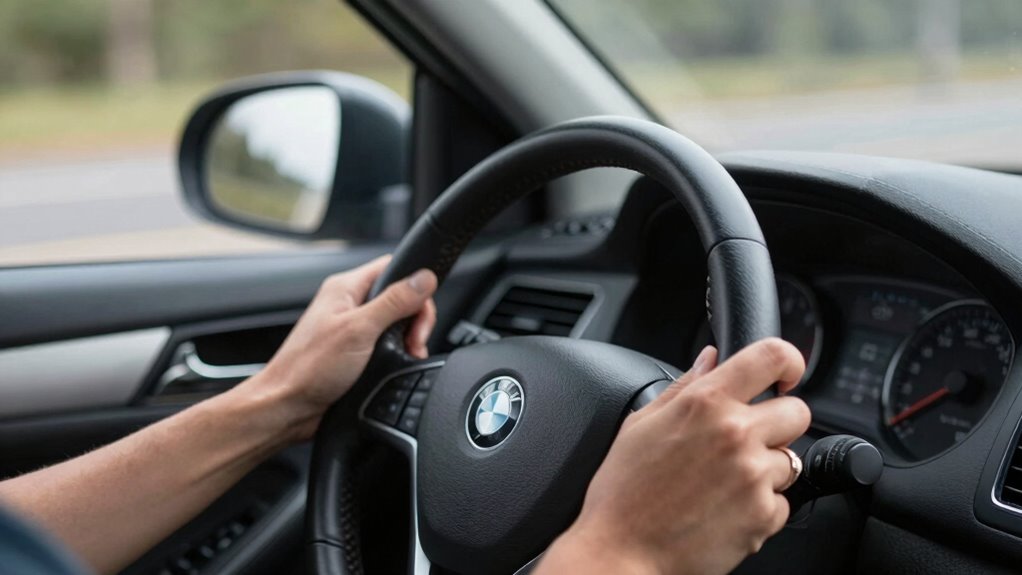
When you’re behind the wheel, a lot more than just steering and braking influence your car’s performance—corner weight distribution is a key factor that you can gauge right from your seat. You might not see it directly, but your car’s behavior through turns can reveal how the weight is balanced across each corner. Subtle cues like how the car leans, how it responds to your inputs, and even the feel of the steering wheel can give you clues about the underlying weight distribution. Two critical elements that affect this are tire pressure and suspension stiffness. If your tires are unevenly inflated, the side with more pressure will typically support more weight, making the car feel different on that side. Similarly, suspension stiffness varies from corner to corner, altering how each wheel responds when you push the car into a turn.
Pay attention to how your car leans and responds to gauge corner weight distribution during turns.
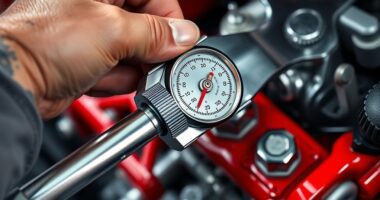
As you take a corner, pay attention to how the car leans or tilts. If one side exhibits more roll than the other, it suggests an imbalance in corner weight. For example, if the vehicle leans more toward the driver’s side, it could mean that the left front or rear corner is carrying more weight or has stiffer suspension. Tire pressure plays a significant role here—if one tire is underinflated, it may not support as much weight, causing the car to behave differently on that corner. Feel how the steering responds—if it feels heavier or more resistant on one side, it could be due to uneven tire pressure or differences in suspension stiffness. Properly inflated tires with balanced pressure ensure each corner supports its share of weight, making the car feel more predictable. Understanding tire pressure can significantly influence how your car handles and responds during turns.
Adjusting tire pressure and suspension stiffness can improve handling and help achieve a more balanced setup. Suspension stiffness also impacts how the car reacts during cornering. If your suspension is stiffer on one side, it resists compression more, changing how weight shifts during turns. This imbalance can cause the car to feel twitchy or unsteady, especially when entering or exiting corners. When you notice that one side feels more planted or more loose, it could be a sign that your suspension setup isn’t evenly distributed. Understanding suspension dynamics can help you make more informed adjustments. Additionally, monitoring corner weight distribution can provide insights into how well your setup matches your driving style and track conditions. Adjusting tire pressure, suspension stiffness, and weight balance**** in tandem can help you fine-tune your car’s handling characteristics. This comprehensive approach ensures maximum responsiveness and stability during spirited driving or racing.
In essence, by paying close attention to how your car reacts during turns—lean, steering effort, and responsiveness—you get valuable clues about its corner weight distribution. Small changes in tire pressure and suspension stiffness can significantly alter the balance, helping you fine-tune performance without any fancy tools. It’s about feeling what’s happening under you and making adjustments to keep your car handling at its best.
As an affiliate, we earn on qualifying purchases.
Frequently Asked Questions
How Does Corner Weight Affect Overall Vehicle Balance?
Corner weight considerably impacts your vehicle’s balance by influencing how weight is distributed across the suspension and chassis. When you adjust corner weights, you change how the vehicle’s suspension responds, affecting grip and handling. Properly balanced corner weights improve chassis stiffness and overall stability, making your car more predictable through turns. In short, optimizing corner weight helps you achieve a balanced, responsive ride, especially in high-performance or cornering situations.
Can Driver Weight Influence Corner Weight Distribution?
Your weight acts like a hidden hand, subtly shifting the car’s balance. When you sit heavier, you cause more weight transfer to one side, influencing corner weight distribution. This shift can make the car feel more planted or more lively, depending on your position. So, yes, your weight directly impacts how weight transfers during turns, playing a vital role in handling and cornering dynamics.
What Tools Are Best for Measuring Corner Weight at Home?
You’ll want a set of corner scales or individual weighing pads designed for vehicle use to measure corner weight accurately at home. These tools help improve alignment accuracy and suspension tuning by giving precise weight distribution data. Make sure the scales are sensitive enough for your vehicle’s weight. Properly calibrated corner scales allow you to fine-tune your suspension, ensuring ideal handling and tire wear.
How Often Should Corner Weights Be Checked?
You should check your corner weights every 6 to 12 months, especially after significant suspension changes or track sessions. Did you know proper corner weights can improve your wheel alignment and suspension tuning by up to 15%? Regular checks guarantee your car maintains ideal handling and balance. Consistent corner weight adjustments help you achieve better grip and cornering, making every drive or race more precise and enjoyable.
Does Tire Pressure Impact Perceived Corner Weight Feel?
Yes, tire pressure affects how you perceive corner weight feel. When tire pressure is too low or too high, it alters the contact patch and suspension response, making the car feel unbalanced. Proper tire pressure is crucial for accurate suspension tuning, as it guarantees consistent grip and handling during cornering. Adjusting tire pressure helps you better interpret corner weight cues and fine-tune your suspension for peak performance.
Conclusion
By paying attention to these simple corner weight clues from your seat, you can make smarter adjustments and improve your driving precision. Did you know that even a 1% change in corner weight distribution can greatly affect your car’s handling? That’s the power of understanding what your seat tells you. Trust your feel, make small tweaks, and reveal better performance — sometimes, the tiniest shifts lead to the biggest gains on the track.
Fall Picks
fall essentials
As an affiliate, we earn on qualifying purchases.