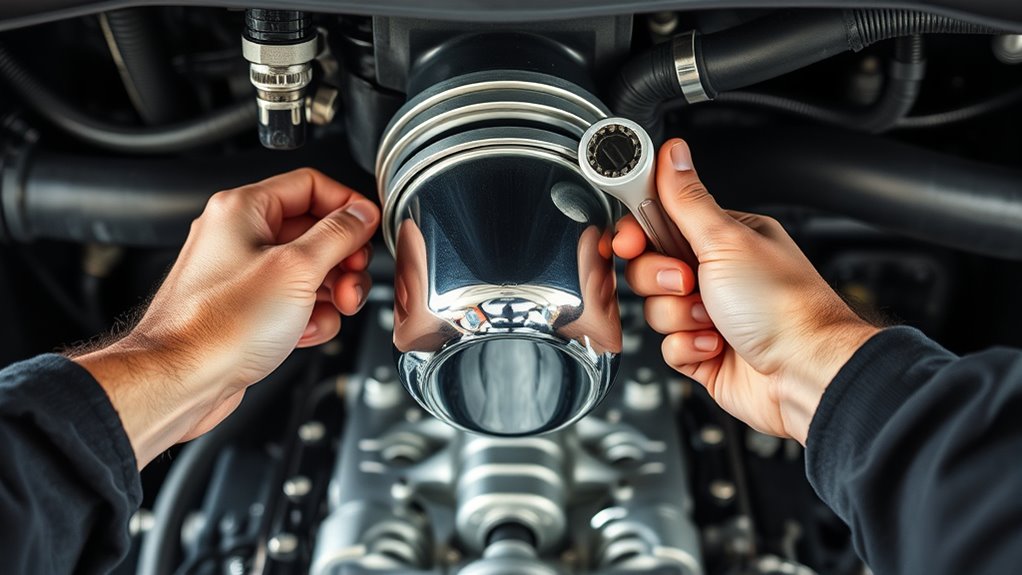
Installing an oil catch can helps keep your engine cleaner, boosts performance, and reduces harmful emissions by capturing blow-by gases and oil vapors before they reach the intake system. You locate the crankcase vent hose, disconnect it, and attach the catch can using provided fittings and brackets, usually taking about an hour. Regularly empty and check the can for best results. If you want to learn more about this process and benefits, keep exploring the details below.
Key Takeaways
- Installing an oil catch can keeps the engine cleaner by trapping blow-by gases and oil vapors.
- It improves engine performance and airflow, helping components run more smoothly.
- The installation process involves connecting the catch can to the crankcase vent hose, typically taking about an hour.
- Regular maintenance, such as emptying the catch can, ensures optimal function and prevents buildup.
- Overall, it offers cost-effective benefits like extended engine lifespan, better efficiency, and reduced emissions.
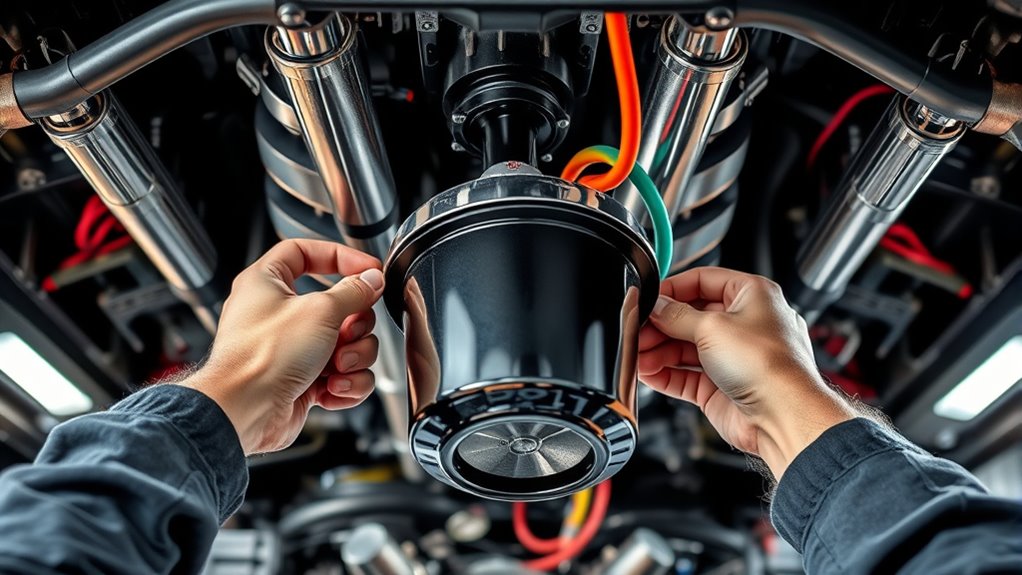
Installing an oil catch can is a straightforward way to keep your engine clean and running smoothly. When you add an oil catch can to your vehicle, you’re taking a proactive step toward improving engine performance and reducing harmful emissions. This device captures blow-by gases and oil vapors that escape from the crankcase during operation, preventing them from contaminating your intake system. As a result, your engine maintains ideal airflow, which can lead to noticeable performance gains over time. Plus, by trapping these emissions before they reach the atmosphere, you’re actively contributing to emission reduction efforts, making your vehicle more environmentally friendly.
Installing an oil catch can helps keep your engine clean, improve performance, and reduce harmful emissions.
The installation process itself is relatively simple, especially if you have basic mechanical skills. First, you’ll want to locate the crankcase vent hose, which usually runs from the valve cover to the intake manifold. Disconnect this hose carefully, as you’ll need to attach the catch can in-line. Most catch cans come with mounting brackets and hose fittings—just follow the manufacturer’s instructions to secure the can in a suitable location, usually near the engine bay where it’s accessible but out of the way. Attach the catch can to the vent hose using the provided fittings, ensuring all connections are tight to prevent leaks. Some setups may require additional hose clamps or fittings, but overall, the process shouldn’t take more than an hour.
Once installed, you’ll want to check and empty the catch can regularly. Over time, it will accumulate oil, dirt, and other contaminants, so monitoring it ensures your engine stays clean. Regular maintenance prevents buildup that could reduce the device’s efficiency, allowing it to continue delivering performance benefits and emission reduction. Many enthusiasts notice smoother operation and slight power improvements after installing an oil catch can, thanks to cleaner intake airflow. Plus, it helps keep your intake valves and turbochargers cleaner, which can extend their lifespan and reduce maintenance costs.
In the end, installing an oil catch can is a cost-effective upgrade that offers tangible benefits. By improving airflow and reducing emissions, you help your engine run more efficiently and responsibly. The process is straightforward, and the long-term benefits—such as enhanced performance, cleaner engine components, and a smaller environmental footprint—make it well worth the effort. Whether you’re looking to boost performance or simply want to protect your engine from harmful deposits, adding an oil catch can is a smart, practical choice.
Frequently Asked Questions
Can I Install an Oil Catch Can on Any Vehicle?
Yes, you can install an oil catch can on most vehicles, but you should check vehicle compatibility first. Some models may have limited space or specific engine configurations that pose installation challenges. make sure you select a catch can designed for your engine type and follow the manufacturer’s instructions carefully. If you’re unsure, consulting a professional mechanic can help avoid potential issues and ensure proper installation.
How Often Should I Empty the Catch Can?
You should empty your catch can every 1,000 to 3,000 miles or when it’s half full to maintain a proper maintenance schedule. Regularly emptying it helps prevent contamination buildup, ensuring your engine stays clean and performs most effectively. Check it frequently, especially during long trips or heavy driving, to avoid oil and sludge from contaminating your intake system. Consistent maintenance keeps everything running smoothly and extends your vehicle’s lifespan.
Will Installing a Catch Can Affect My Engine Warranty?
Installing an oil catch can generally won’t affect your engine warranty if you choose a quality, properly installed product. However, some engine modifications might raise warranty implications if they’re deemed to cause damage or void coverage. To avoid issues, guarantee you follow the manufacturer’s instructions and keep receipts. It’s also wise to check your vehicle’s warranty policy or consult your dealer before installing any engine modifications, including a catch can.
Are There Different Types of Oil Catch Cans Available?
Sure, there are plenty of oil catch can types and installation options to keep you puzzled. You’ve got your simple, DIY-friendly models and high-end ones with fancy filters. Some mount easily in your engine bay, others require more effort. Whether you want a sleek, compact design or a robust, heavy-duty can, there’s definitely an oil catch can type for you. Just pick what fits your style and installation skills!
What Tools Are Required for Installation?
You’ll need basic tools for the installation process, including screwdrivers, pliers, and a socket wrench set. A drill might be necessary if mounting brackets require drilling. You’ll also need hose clamps, a utility knife, and possibly T-fittings or vacuum hoses depending on your vehicle’s setup. Ensuring you have these tools ready makes the installation process smoother and quicker, helping you properly connect the oil catch can without any hassles.
Conclusion
So, now that you know how to install an oil catch can and the benefits it brings, are you ready to protect your engine and improve its performance? Taking this simple step can help prevent costly repairs down the line while keeping your engine running smoothly. Don’t you think investing a little effort now is worth the long-term gains? With a catch can in place, you’re not just maintaining your vehicle—you’re enhancing its longevity and efficiency.