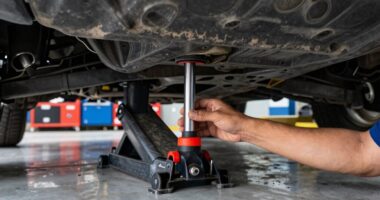
To make off-road pulls safer, focus on inspecting your recovery ropes and gear thoroughly before each use, ensuring they’re free of frays or damage and within weight limits. Always use proper attachment points and communicate clearly with your recovery partner. Keep a safe distance during pulls, and never exceed the rope’s capacity. Regular practice and proper vehicle maintenance also improve safety. Keep these tips in mind to enhance your recovery skills—there’s more to discover to keep you safer every time.

Get business pricing on garage and car supplies
- Business-only prices and quantity discounts
- Tax-exempt purchasing
- Multiple users, one account, clear invoices
Key Takeaways
- Always check recovery ropes for damage and wear before use to prevent failure during pulls.
- Use proper attachment points and ensure even weight distribution to reduce risk of gear failure.
- Maintain clear communication signals and keep a safe distance during recovery operations.
- Follow weight capacity limits and avoid exceeding the rope’s rated strength.
- Regularly practice recovery procedures and inspect gear to ensure safety and reliability.
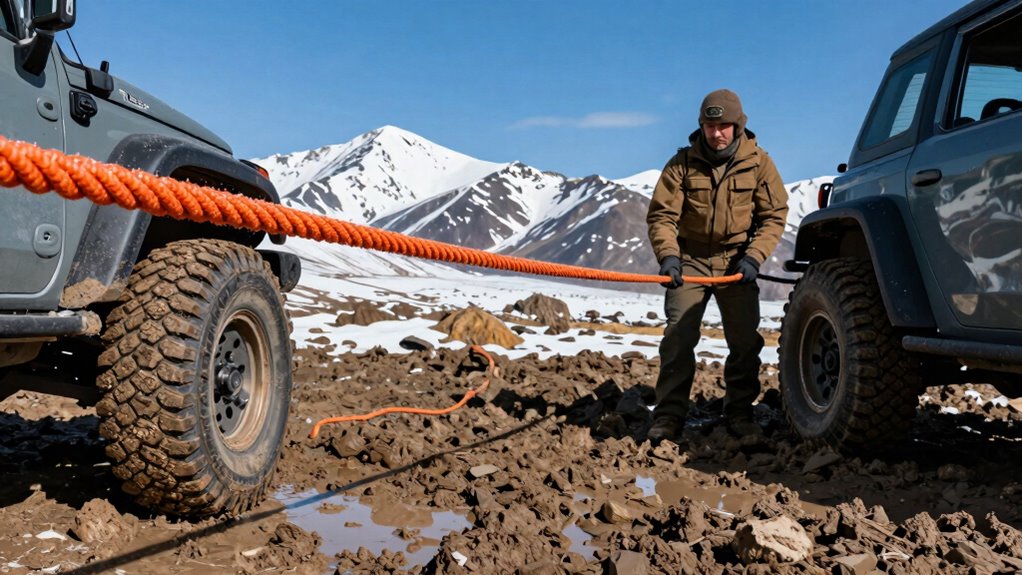
When you’re off-roading, knowing how to properly use a recovery rope can mean the difference between a quick, safe pull and a costly or dangerous mistake. It’s essential to understand that recovery ropes are more than just straps; they’re vital tools in your emergency preparedness kit. Before heading out, you should prioritize vehicle maintenance to ensure your vehicle is in top shape. This includes checking tire pressure, inspecting your recovery points, and ensuring your ropes and other gear are in good condition. A well-maintained vehicle reduces the risk of failure during a recovery, making the process safer for everyone involved.
Using a recovery rope correctly starts with understanding its limits. Never exceed the recommended weight capacity, and always double-check your gear for frays, cuts, or any signs of wear. When you’re ready to pull, make sure both vehicles are on stable, level ground and that you’ve established clear communication signals. Using hand signals or radios keeps everyone in sync, preventing sudden surprises. It’s also crucial to attach the rope to designated recovery points—not bumpers or other weak areas—to avoid damage or accidents. Properly securing the rope helps distribute the pull evenly, reducing the risk of snapping or causing injury.
During the actual pull, keep the tension steady and avoid jerking movements. Sudden pulls can cause the rope to snap or damage your vehicle. As you recover your vehicle, maintain a safe distance—at least 1.5 times the length of the rope—to protect yourself in case of failure. Once the vehicle is free, carefully disconnect the rope, inspecting it thoroughly afterward for any damage. Remember, a damaged recovery rope should never be reused; replacing it is a key part of responsible vehicle maintenance. Regular gear inspection helps ensure your recovery equipment functions reliably when needed. It’s also advisable to familiarize yourself with vehicle recovery techniques so you’re prepared for different scenarios. Regular practice of these techniques also helps identify potential issues with your gear before an emergency arises. Additionally, understanding recovery gear limits helps prevent overloading and potential accidents during use. Proper gear maintenance not only prolongs the lifespan of your equipment but also enhances safety by ensuring all components are in optimal condition.
Being prepared for emergencies extends beyond just having the right gear. It involves understanding how to use that gear correctly and knowing what steps to take if something goes wrong. Proper gear maintenance is essential to ensure your recovery equipment functions reliably when needed. Regularly practicing recovery procedures helps build confidence and ensures everyone on your trip knows what to do. By mastering the proper use of recovery ropes, you not only protect yourself but also promote safer off-road adventures for everyone. When you combine good vehicle maintenance with solid emergency preparedness, you’re better equipped to handle unexpected situations calmly and effectively. This knowledge transforms a potentially dangerous situation into a manageable one, making your off-road experience safer and more enjoyable.
As an affiliate, we earn on qualifying purchases.
Frequently Asked Questions
What Are the Best Types of Recovery Ropes for Off-Road Use?
The best recovery ropes for off-road use are dynamic, nylon or synthetic ropes with high tensile strength, which absorb shock during pulls. You should choose ropes with secure anchor points and consider weather conditions—synthetic ropes perform well in wet or muddy environments, but verify they’re rated for your vehicle’s weight. Always inspect your recovery gear regularly, especially before challenging weather, to ensure safety and reliability during off-road pulls.
How Often Should Recovery Ropes Be Inspected for Safety?
You should inspect your recovery ropes before every off-road trip, as equipment maintenance is vital for safety. Experts recommend a thorough inspection at least once a month for regular use, looking for fraying, cuts, or abrasions. Since damaged ropes can fail unexpectedly, frequent inspection frequency helps prevent accidents. Remember, keeping your recovery gear in top condition not only guarantees safety but also extends its lifespan.
Can Recovery Ropes Be Reused After a Pull?
Yes, you can reuse recovery ropes after a pull, but you should always check their rope durability first. Inspect for any signs of wear, cuts, or frayed fibers caused by the pull impact. If the rope remains strong and intact, it’s safe to reuse. However, if you notice damage, replace the rope to guarantee safety during future off-road pulls. Proper maintenance helps keep your recovery gear reliable.
What Are Common Mistakes to Avoid During Off-Road Pulls?
During vehicle recovery, avoid common off-road techniques mistakes like not inspecting your recovery gear beforehand, which can lead to failure. Don’t ignore the importance of proper anchoring or using incorrect recovery points, as this can damage your vehicle or cause injury. Keep a safe distance from the towing vehicle, and communicate clearly with your recovery partner. Always use the right recovery rope and follow safe off-road techniques to guarantee a safer, more effective pull.
Are There Specific Safety Gear Recommendations When Using Recovery Ropes?
When using recovery ropes, you should wear gloves and eye protection for safety, and carry emergency preparedness gear like a first aid kit and a communication device. Choose high-quality, rated ropes to reduce environmental impact and guarantee durability. Always inspect your gear before use. This approach not only keeps you safe but also minimizes environmental harm, helping you stay prepared for any situation while protecting nature.
Conclusion
By mastering proper recovery rope techniques, you guarantee every off-road pull is safer and more confident. Think of yourself as a modern-day knight, wielding your trusty rope like a sword against the muddy dragons of the trail. Remember, a well-executed pull can prevent mishaps and keep your adventure rolling smoothly. With these lessons in mind, you’ll be ready to face any obstacle, forging your path through the wilderness with skill and safety as your shield.
Halloween Picks
halloween
As an affiliate, we earn on qualifying purchases.