To spot uneven tire wear early, look for irregular tread patterns and inconsistent wear across your tires, especially if some look more worn than others. Check for uneven tread depth, which can indicate issues like misalignment or suspension problems. Use simple tests like the penny trick to assess tread safety. Regular inspections help catch problems before they turn into costly repairs. Keep an eye out for signs—if you notice anything unusual, you’ll find helpful tips below.

Get business pricing on garage and car supplies
- Business-only prices and quantity discounts
- Tax-exempt purchasing
- Multiple users, one account, clear invoices
Key Takeaways
- Regularly inspect tires for irregular tread patterns or inconsistent wear across all four tires.
- Use the penny test to check tread depth and identify uneven wear signs early.
- Monitor for signs of misalignment, such as tires wearing more on one side or in specific spots.
- Maintain proper tire pressure to prevent uneven wear caused by incorrect inflation.
- Schedule periodic tire rotations and suspension checks to catch issues before costly alignments.
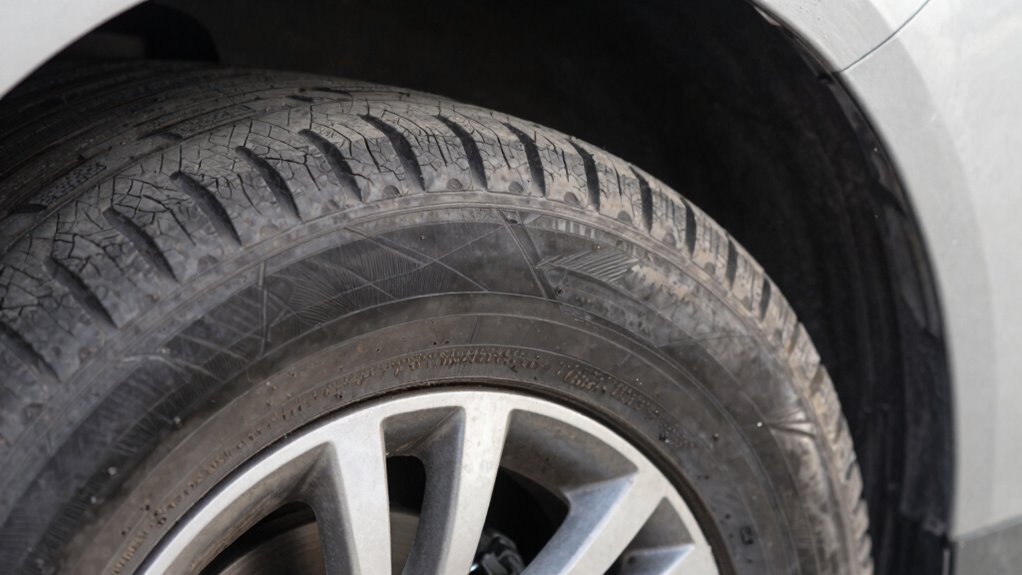
Have you ever noticed your tires wearing unevenly? If so, it’s a sign that something’s off, and catching it early can save you a lot of money on costly repairs down the road. Uneven tire wear often results from issues like misalignment, improper inflation, or suspension problems. To prevent these problems from escalating, you need to pay close attention to your tires, especially when it comes to tire rotation and tread depth. Regularly inspecting your tires can help you identify signs of uneven tire wear before they lead to more serious issues.
Uneven tire wear signals issues like misalignment or suspension problems—early detection saves money and ensures safety.
Tire rotation is a simple yet essential maintenance step that helps guarantee your tires wear evenly. By regularly switching the position of your tires—front to back, and sometimes side to side—you give each tire an equal chance to wear out at a similar rate. This process helps maintain proper traction and extends the lifespan of your tires. If you neglect tire rotation, you might notice that some tires wear much faster than others, leading to uneven tread depth across all four tires. This unevenness not only affects your vehicle’s handling but also increases your risk of tire failure. Performing a tire rotation every 5,000 to 8,000 miles is a good rule of thumb, but always check your owner’s manual for specific recommendations. Additionally, regular inspections can help you spot early signs of uneven wear and prevent more costly repairs later. Keeping your tire pressure properly maintained is also crucial, as incorrect inflation can accelerate uneven wear patterns and compromise safety. Being aware of your vehicle’s suspension system can also help identify underlying issues contributing to uneven tire wear. Furthermore, understanding the laws and regulations regarding tire safety in your state can ensure you stay compliant and avoid fines or penalties.
Tread depth is another critical factor to monitor. Over time, the rubber on your tires wears down, reducing the tread depth, which affects your vehicle’s grip, especially in wet or slippery conditions. You can check tread depth with a simple penny test: insert a penny into the tread grooves with Lincoln’s head upside down. If you can see the top of Lincoln’s head, it’s time to replace the tire. Uneven tread depth across your tires is a red flag—this means some areas are more worn than others, signaling uneven wear. This can be caused by misalignment, improper inflation, or suspension issues. If you notice that certain tires have notably less tread, it’s a sign that you should schedule a professional inspection before the wear worsens and leads to costly repairs or the need for early tire replacement.
Being proactive about checking your tires’ tread depth and performing regular tire rotations can alert you to uneven wear long before it becomes a bigger problem. When you recognize the early signs, such as irregular tread patterns or inconsistent wear, you have the opportunity to address issues like alignment and suspension before they cause more damage. Ultimately, paying attention to your tires’ condition helps you avoid unnecessary expenses and keeps you safe on the road. Don’t wait until uneven tire wear causes a blowout or costly repairs—stay vigilant and maintain your tires properly.
Products Worth Considering

DEWALT 20V MAX XR Cordless 1/2-Inch Impact Wrench Kit (DCF900P1)

Chemical Guys 10-Piece Car Wash Kit with Foam Gun

Chemical Guys Carbon Force Ceramic Paint Coating Kit, 1 fl oz, with 3 Applicators
As an affiliate, we earn on qualifying purchases.
Frequently Asked Questions
Can Uneven Tire Wear Be Caused by Driving Habits?
Yes, uneven tire wear can be caused by your driving patterns. Aggressive acceleration, hard braking, and frequent sharp turns put extra stress on tires, leading to uneven wear. Additionally, neglecting regular tire rotation allows certain areas to wear faster. To prevent this, follow a consistent tire rotation schedule and adjust your driving habits, which helps guarantee even tire wear and prolongs your tires’ lifespan, saving you money.
How Often Should I Check for Uneven Tire Wear?
You should check for uneven tire wear at least once a month. Regularly perform a tread inspection to spot any signs of uneven wear early. Additionally, schedule tire rotation every 5,000 to 8,000 miles, depending on your vehicle’s recommendations. These practices help you maintain even tire wear, extend tire life, and prevent costly alignment issues. Stay proactive to keep your tires in excellent condition and guarantee safe driving.
Does Uneven Tire Wear Affect Fuel Efficiency?
Yes, uneven tire wear can reduce your fuel efficiency. When your tires are worn unevenly, it causes increased rolling resistance, making your engine work harder. Regular tire rotation helps prevent uneven tread depth, maintaining even wear and best fuel economy. Check your tires frequently for signs of uneven tread depth and address issues early to keep your vehicle running smoothly and efficiently.
Can Uneven Wear Lead to Tire Blowouts?
Uneven wear can definitely lead to tire blowouts, especially if you ignore signs like irregular tread wear. Regularly perform tire rotation and tread inspection to catch issues early. If you notice bald spots or uneven tread depth, replace or repair your tires promptly. Failing to address uneven wear weakens tire integrity, increasing the risk of blowouts, which can be dangerous. Stay vigilant with maintenance to keep your tires safe and durable.
Is Uneven Tire Wear Always a Sign of Misalignment?
Uneven tire wear isn’t always a sign of misalignment. It can also result from improper tire rotation or balancing. If you regularly rotate your tires and confirm they’re balanced, uneven wear might indicate other issues like suspension problems. Don’t ignore early signs; addressing them promptly can prevent costly repairs. Keep an eye on your tires, and if you notice uneven wear, get a professional inspection to rule out misalignment or other causes.
Conclusion
By catching uneven tire wear early, you can avoid costly alignment bills and keep your ride smooth. Regularly inspect your tires, look for irregular tread patterns, and listen for any unusual noises—think of it as your modern-day equivalent of the old mechanic’s blacksmith’s eye for trouble. Don’t wait until your tires resemble a moon crater—stay vigilant and save money, ensuring your journey remains as effortless as a well-oiled machine.