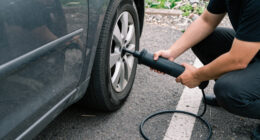
To catch loose hardware early, use high-quality paint pens suited for your surfaces and apply clear, consistent markings with color coding for quick identification—red for critical parts, blue for less urgent ones. Mark each component with symbols or numbers alongside the color to track movement over time. Regularly check these markings for signs of loosening or wear. Continuing with these practices will help you spot issues sooner and improve your maintenance strategy.

Get garage and car supplies delivered free — and shop member deals
- Fast, free delivery on millions of items
- Access to Prime Big Deal Days deals on October 6–7
- Prime Video, Amazon Music and more included
Key Takeaways
- Apply color-coded paint marks to hardware, highlighting critical areas for regular inspection and early detection of looseness.
- Use durable, weather-resistant paint pens to ensure markings remain visible over time.
- Incorporate torque markings with symbols or numbers to record initial tension levels for comparison during checks.
- Establish a consistent marking system with specific colors and symbols for different parts to facilitate quick identification.
- Regularly verify and update markings to track hardware movement and ensure early detection of loosening.
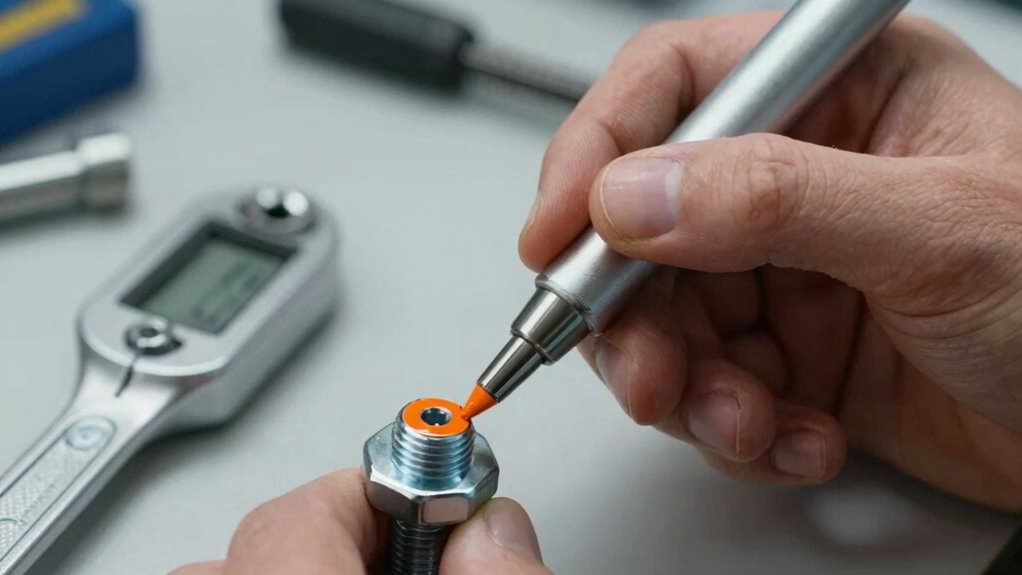
Using paint pens and torque marking techniques can considerably improve the accuracy and durability of your markings on various surfaces. When it comes to identifying loose hardware early, implementing effective marking techniques is essential. One of the most practical methods is color coding, which allows you to quickly distinguish different parts or areas that need attention. By assigning specific colors to various components, you make inspections faster and more efficient. For example, red might indicate a critical connection that requires frequent checks, while blue could mark less urgent fittings. This visual system helps you prioritize maintenance tasks and reduces the chance of overlooking loose hardware.
Applying paint pens for marking is straightforward, but the key lies in using the right techniques to guarantee longevity and clarity. Start by selecting high-quality paint pens that are suitable for the surface you’re working with. For metal surfaces, oil-based or permanent markers work best, as they resist wear and weathering. When marking, use clear, concise symbols or numbers alongside color codes to enhance identification. Consistency is indispensable—always mark the same type of hardware with the same color and symbol to avoid confusion during inspections. Over time, these markings become a reliable reference point, allowing you to track any movement or loosening of hardware. Additionally, understanding biodiversity principles can help in selecting environmentally friendly marking materials that are safe and sustainable. Incorporating environmentally friendly materials in your marking process ensures safety for both the environment and personnel involved. Regularly checking the longevity of your markings helps ensure they remain effective under various conditions. Furthermore, using environmentally conscious materials can contribute to sustainable maintenance practices that reduce overall environmental impact.
permanent paint pens for metal marking
As an affiliate, we earn on qualifying purchases.
As an affiliate, we earn on qualifying purchases.
Frequently Asked Questions
What Types of Paint Pens Are Best for Marking Hardware?
You should choose paint pens with high durability and quick-drying ink for marking hardware. Permanent markers or industrial-grade paint pens work best because they resist wear, oil, and moisture. Use clear marking techniques, like bold lines or symbols, to guarantee visibility over time. Opt for pens with fine tips for precise markings, and always test on a small area first to confirm adhesion and durability before marking all your hardware.
How Often Should Torque Markings Be Reapplied?
You should reapply torque markings during your maintenance schedule, ideally every time you perform routine inspections or after any service that might loosen hardware. This guarantees marking durability and early detection of any movement. Regular reapplication keeps the markings clear and visible, making it easier to spot loose hardware before it becomes a safety issue. Consistent markings help maintain equipment integrity and prevent costly repairs.
Can Paint Pens Be Used on All Hardware Materials?
Paint pens work best on hardware materials with good surface compatibility, such as metal, plastic, and coated surfaces. However, their effectiveness depends on paint adhesion; on rough or porous surfaces like wood or textured metals, the paint may not stick well or last long. Always test a small area first to guarantee proper adhesion. For ideal results, choose a paint pen suited to the specific hardware material you’re marking.
What Are Signs That Hardware Is Loosening Despite Markings?
You can tell hardware is loosening despite markings through visual inspection, where you’ll notice gaps or movement around bolts or screws. Vibration analysis is also helpful; increased or unusual vibrations suggest loosening. Keep an eye on marked areas regularly, and if you see the marks shifting or cracking, it’s a sign to tighten the hardware. Combining visual checks with vibration analysis ensures early detection of loose components.
Are There Alternative Methods to Torque Marking for Early Detection?
Think of alternative detection methods like a vigilant lighthouse guiding ships safely. Besides torque marking, you can perform regular visual inspections, checking for signs like wear or misalignment. Using ultrasonic or magnetic sensors also helps spot looseness early, much like a keen eye catching movement in the shadows. These methods, combined with routine checks, offer reliable ways to catch loose hardware before it becomes a bigger problem.
Conclusion
By using paint pens and torque marking, you’re fundamentally giving your hardware a heartbeat, alerting you to any changes before they become big problems. Think of it as leaving a trail of breadcrumbs, guiding you to loose or worn components early on. Staying vigilant with these simple tools keeps your equipment running smoothly and saves you time and money. Remember, catching issues early is like catching a leaky faucet—small fix, big difference.
Fall Picks
fall essentials
As an affiliate, we earn on qualifying purchases.