To set up your car for a track day, start by checking and properly inflating your tires to the recommended cold pressures, slightly higher than street settings for better grip and heat management. Make certain your brake system is in top condition with fresh, high-boiling-point brake fluid and effective cooling measures like ducts. Always do a thorough inspection, including fluid levels, brake pads, and suspension. If you keep these essentials in mind, you’ll boost safety and performance—more tips are just a step away.
Key Takeaways
- Check and adjust tire pressures to manufacturer specs, slightly increasing for track conditions, using a reliable gauge.
- Inspect and replace brake fluid with high-temperature, track-specific fluid; ensure brake components are in good condition.
- Install or verify brake cooling ducts to prevent overheating and maintain brake performance during intense use.
- Review vehicle fluids, including oil and coolant levels, and ensure all systems are functioning properly.
- Perform a visual inspection for tire wear, suspension components, and safety equipment to ensure overall vehicle readiness.
Preparing your car for a track day is vital to guarantee safety, maximize performance, and enjoy the experience. One of the first steps is to check and set your tire pressure. Unlike regular street driving, track conditions demand ideal tire pressures to ensure maximum grip and control. Before heading out, consult your vehicle’s specifications or manufacturer recommendations, but generally, you’ll want to increase the tire pressure slightly from your street settings. This helps reduce tire rollover and heat buildup during high-speed cornering. Use a reliable tire pressure gauge to verify each tire’s pressure when cold, as heat generated during driving can artificially inflate readings. Adjust accordingly, aiming for a balance that provides sufficient grip without risking tire blowouts or uneven wear. Proper tire pressure not only improves handling but also prolongs tire life, which is vital given the increased stress on tires during track sessions. Additionally, investing in high-quality tires designed for track use can significantly enhance your performance and safety.
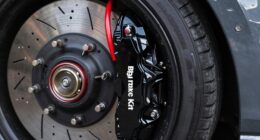
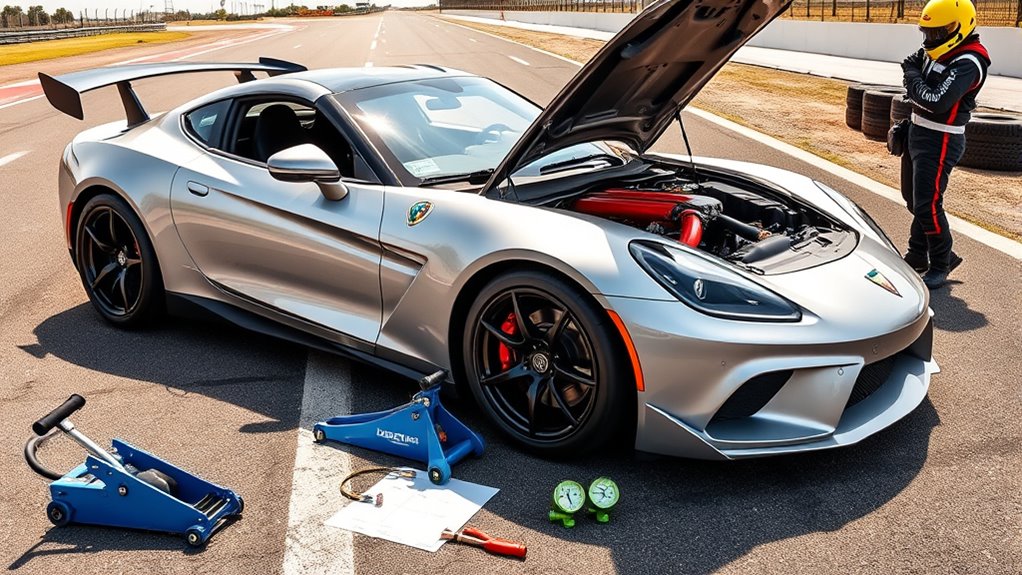
Another key aspect is brake cooling. During intense braking, your brake system heats up rapidly, and insufficient cooling can lead to brake fade, where braking efficiency diminishes, compromising safety. To prevent this, consider installing or utilizing brake cooling ducts that direct cool air onto the rotors, especially if your car doesn’t already have an efficient cooling setup. Before you start your track day, inspect your brake fluid level and condition; high-quality, track-specific brake fluid with a higher boiling point is recommended. If you notice your brake fluid is old or contaminated, flush and replace it beforehand. During your warm-up laps, pay close attention to brake pedal feel; if it feels soft or spongy, it might indicate overheating or air in the system. Keep in mind that managing brake cooling isn’t just about hardware—your driving style matters too. Avoid excessive, aggressive braking early in your sessions, as this heats the brakes unnecessarily. Instead, apply moderate pressure initially, allowing the brakes to warm gradually and maintain consistent cooling.
Together, these preparations—setting the right tire pressure and ensuring proper brake cooling—lay the foundation for a safe and enjoyable track day. They help you maintain better control, reduce the risk of mechanical failures, and keep your car performing at its best throughout your session. Checking and adjusting these elements before you hit the track can make a significant difference in your experience, giving you confidence to push your limits while keeping safety at the forefront. Remember, a well-prepared car not only enhances your performance but also ensures that every lap is as safe and fun as possible. Regular maintenance and proper setup are essential for optimal vacuums and vehicle safety.
Frequently Asked Questions
How Do I Choose the Right Tires for Track Day?
You should choose tires with a high-performance tire compound designed for track use, offering better grip and heat resistance. Consider your car’s weight and power when selecting; softer compounds provide more traction but wear faster. Make sure to set the right tire pressure—usually lower than street settings—to maximize contact patch and grip. Test different pressures to find what works best for your track conditions and driving style.
What Safety Gear Is Recommended Beyond a Helmet?
Did you know that fires are among the top safety concerns at track days? Besides a helmet, you should wear fire-resistant clothing to protect yourself. Also, make sure a fire extinguisher is within easy reach, ideally mounted in accessible spots around your car. These safety measures greatly reduce risk, giving you peace of mind to focus on your driving. Prioritize fire safety, and you’ll be better prepared for any emergency.
How Often Should I Check Fluid Levels Before a Track Event?
You should check fluid levels daily leading up to a track event, especially within the maintenance schedule. During fluid inspection, ensure oil, brake fluid, coolant, and transmission fluid are at ideal levels. Regularly topping off or replacing fluids prevents overheating and component failure. Before the event, do a thorough check to catch any leaks or low levels, giving you peace of mind and peak performance on the track.
Can I Upgrade My Car’s Suspension for Better Performance?
Absolutely, upgrading your suspension is like giving your car a shot of adrenaline for better performance. You can enhance handling and stability through suspension tuning or upgrade options like coilovers, sway bars, or bushings. These modifications allow you to customize your setup for track conditions. Just be sure to research compatible parts and consider professional installation to truly harness the benefits of your suspension upgrade.
What Are the Best Ways to Manage Tire Wear During the Day?
To manage tire wear during a track day, you should regularly monitor your tire pressure and adjust it as needed to guarantee even contact with the track surface. Perform tire rotations if possible, especially between sessions, to promote even wear across all tires. Keep an eye on tire temperature and pressure gauges, and make adjustments promptly to prevent excessive wear or grip loss, helping you maintain ideal performance throughout the day.
Conclusion
With your car tuned and ready, you’re now steering toward the horizon of endless possibilities. Think of your setup as the key to *unleashing* your racing potential — a finely crafted symphony where every part plays its role. As you hit the track, let confidence be your compass and preparation your shield. Embrace the thrill, knowing you’ve laid a solid foundation beneath you, transforming every lap into a dance of precision and passion on the asphalt stage.