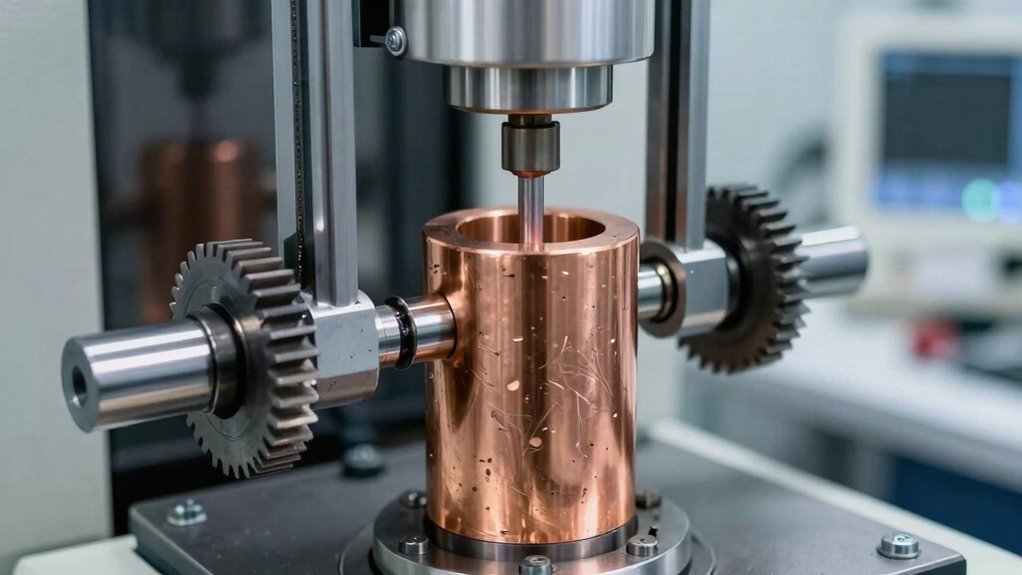

Compression tests still matter because they give you a direct, tangible way to check your engine’s health, beyond electronic sensors that can miss subtle issues. They’re cost-effective, simple, and quick, helping you catch problems like worn piston rings or gasket leaks early, before costly damage occurs. Regular testing can keep your engine running smoothly and save money over time. Stick around to discover how these tests can be your secret weapon for engine maintenance.
Key Takeaways
- Compression tests provide direct, tangible insights into internal engine health that electronic sensors may overlook.
- They help detect early signs of wear or failure, preventing costly repairs and breakdowns.
- The simple, cost-effective process makes them accessible for routine maintenance and troubleshooting.
- Despite advanced diagnostics, compression tests remain a reliable way to assess mechanical integrity.
- Regular testing promotes engine longevity and informed maintenance decisions, complementing high-tech diagnostics.
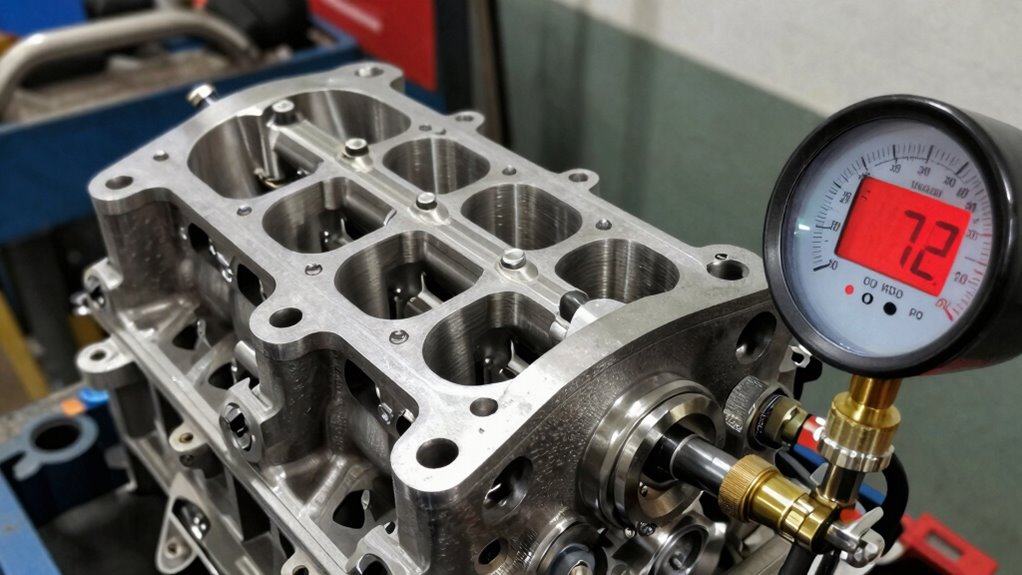
Despite advances in diagnostic technology, compression tests remain a vital tool for evaluating the integrity of engines and other mechanical components. You might rely on high-tech sensors, computer diagnostics, and advanced imaging to assess your vehicle’s health, but compression tests give you direct, tangible insights into how well your engine is performing internally. They help you gauge engine durability by revealing issues that could lead to more severe problems down the line. When you perform a compression test, you’re fundamentally checking the core condition of each cylinder—if the compression is low, it indicates worn piston rings, valve leaks, or head gasket failures. Recognizing these problems early allows you to address them before they escalate, ultimately extending your engine’s lifespan and saving you money.
Compression tests reveal internal engine issues, helping prevent costly repairs and extend engine lifespan.
You might think that modern electronics make manual testing obsolete, but compression tests still provide a straightforward, cost-effective way to identify internal engine issues. Instead of relying solely on electronic diagnostics that can sometimes miss subtle problems, compression tests give you an immediate picture of the engine’s mechanical health. This direct approach can prevent costly repairs by catching issues before they cause significant damage. For example, if low compression readings are detected, you can plan repairs proactively, avoiding unexpected breakdowns that lead to higher maintenance costs. By regularly conducting these tests—especially if you notice a drop in engine performance—you keep a close eye on your engine’s condition, which helps maintain its resilience over time.
Furthermore, compression testing is a simple process that doesn’t require sophisticated equipment, making it accessible and quick. This ease of use means you can perform these tests during routine maintenance or when you suspect trouble, saving both time and money. Because maintaining engine health is vital for avoiding expensive repairs, compression tests serve as a practical tool to sustain your vehicle’s reliability without breaking the bank. They act as a preventive measure that complements more advanced diagnostics, ensuring you’re not blind to internal issues that could compromise your engine’s performance and longevity. Additionally, understanding engine health through such basic tests can empower you to make informed decisions about repairs and maintenance. Regularly monitoring internal components can help you detect early signs of wear and tear before more serious problems develop.
A thorough understanding of mechanical integrity is essential for maintaining optimal engine function over time. Moreover, these tests are invaluable for diagnosing issues during preventive maintenance, allowing you to address problems before they become critical.
In the end, no matter how advanced your vehicle’s electronics become, compression tests remain relevant because they offer a reliable, direct assessment of engine health. They help you understand your engine’s true condition, protect its durability, and keep maintenance costs predictable. You don’t have to rely solely on high-tech gadgets—sometimes, the simplest tests provide the most valuable insights for keeping your engine running smoothly.
As an affiliate, we earn on qualifying purchases.
Frequently Asked Questions
How Do Compression Tests Compare to Other Engine Diagnostics?
Compression tests provide a direct, mechanical assessment of your engine’s health, unlike electronic diagnostics that rely on sensor calibration and onboard data. They give you tangible data about cylinder pressure, helping you identify issues like leaks or worn piston rings. While electronic diagnostics offer quick insights, compression tests remain essential for verifying engine integrity, ensuring data accuracy, and pinpointing problems that sensors might miss or misinterpret.
Can Compression Tests Predict Engine Failure Accurately?
Compression tests can predict engine failure fairly accurately by revealing issues like cylinder wear that affect your engine’s performance. If a cylinder’s compression drops, it signals potential problems that could lead to failure. This test also helps you maintain fuel efficiency because it identifies worn components early. While fancy electronics offer insights, traditional compression testing remains a reliable, straightforward method to catch problems before they become costly.
What Are the Limitations of Compression Testing Methods?
Like peeling back layers of an onion, compression tests reveal only part of the engine’s story, with material degradation sometimes hidden beneath. Their test accuracy can be affected by factors like cylinder head temperature or improper testing technique. These limitations mean compression tests can’t always predict failures perfectly, especially when advanced electronics are involved, but they still serve as a crucial, quick snapshot of engine health amidst complex diagnostics.
How Often Should Compression Tests Be Performed on an Engine?
You should perform compression tests on your engine at least once a year or whenever you notice performance issues, as regular testing helps maintain engine longevity. Consistent testing guarantees you catch problems early, preserving test accuracy and preventing costly repairs. If your engine is older or has high mileage, consider testing more frequently. Staying proactive with compression checks keeps your engine running smoothly and extends its lifespan.
Are There Specific Engine Types That Benefit More From Compression Testing?
When it comes to engine types that benefit most from compression testing, you’re in the driver’s seat with older, high-mileage, or naturally aspirated engines. These engines often require more precise testing for accurate results, especially considering engine compatibility issues. Compression tests are like a litmus test—they reveal the true health of your engine, ensuring testing accuracy and preventing surprises down the road, even with modern electronics around.
Conclusion
So, even with all the sleek gadgets and advanced tools at your fingertips, don’t overlook the power of a simple compression test. It’s a tried-and-true method that reveals secrets no digital readout can easily uncover. You never know what hidden issues might lurk beneath the surface, waiting to surprise you. Stay vigilant, stay curious—because in the world of engineering, sometimes the basics hold the key to the future.