
To guarantee safety, you must accurately calculate your winch’s line pull capacity by considering your vehicle’s weight, gear, and terrain resistance, adding a safety margin of 20-25%. Factor in pull angles and gear ratios to determine the effective force needed. Using accessories like snatch blocks can double your pulling power safely, but always inspect your gear regularly. To master the specifics of these calculations and stay safe, keeping this knowledge in mind is essential.

Get business pricing on garage and car supplies
- Business-only prices and quantity discounts
- Tax-exempt purchasing
- Multiple users, one account, clear invoices
Key Takeaways
- Calculate the maximum load considering vehicle weight, gear, resistance, and terrain factors for accurate winch sizing.
- Select a winch with capacity 20-25% higher than the maximum expected load for safety margin.
- Use line pull math, factoring in gear ratios and pull angles, to determine effective lifting capacity.
- Incorporate accessories like snatch blocks to increase pulling power safely without overloading the winch.
- Regularly inspect and maintain equipment to ensure safe operation and prevent cable or gear failure.

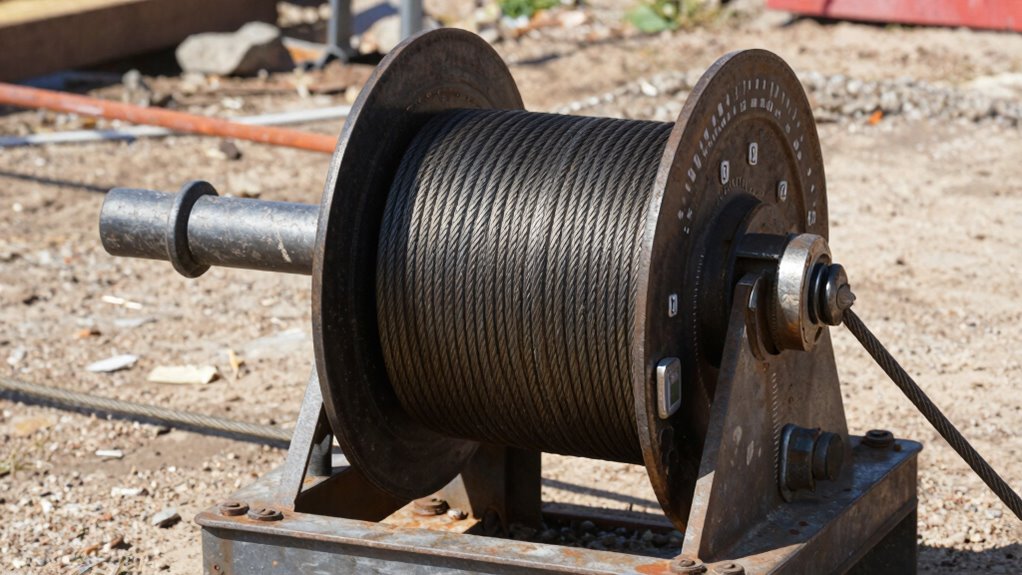
Choosing the right winch size is essential to guarantee safe and efficient operation. When you’re selecting a winch, understanding the line pull requirements is critical to ensure you’re not under- or overestimating the power you need. If the winch is too small, it might strain or fail when you need it most, which can lead to dangerous situations or damage to your gear. Conversely, opting for a winch that’s too large can be unnecessary and more expensive, but it’s better to have a bit more capacity than risk underperformance. To determine the proper size, you need to calculate the maximum load you’ll encounter, factoring in the weight of the vehicle, the gear you’re pulling, and any additional resistance such as mud or incline. Proper winch capacity planning is vital for safe and effective recovery operations. Safety precautions should always be your top priority when working with winches. Never operate a winch without wearing protective gloves and eye protection, especially when the line is under tension. Keep bystanders at a safe distance, and never stand directly in line with the cable or rope. Remember, a sudden snap or cable failure can cause serious injuries. Before each use, inspect your equipment thoroughly—look for frayed or damaged wires, worn-out hooks, or corrosion. Proper gear maintenance is key to safe operation; regularly lubricate moving parts, clean dust and debris, and replace worn components promptly. Maintaining your gear guarantees it performs reliably and reduces the risk of accidents. Understanding the line pull math involves more than just knowing the weight you’re pulling. You also need to account for the mechanical advantage provided by the winch’s gear ratio and the type of cable or rope you’re using. For example, a winch’s capacity at the drum’s maximum line pull may be less when pulling at a 4:1 or 10:1 ratio, depending on the setup. Always choose a winch with a line pull capacity that exceeds your maximum anticipated load by at least 20-25%. This buffer provides extra safety margin and accounts for unexpected resistance or slack in the line. In addition, consider the type of terrain and the angle of pull, as these factors influence the actual force needed. Proper line management and using accessories like snatch blocks can double your pulling power safely, but only if your winch is rated for the increased load. Ultimately, doing the math right and adhering to safety precautions and gear maintenance protocols will keep you safe, extend the lifespan of your equipment, and ensure your recovery operations go smoothly.
Products Worth Considering

DEWALT 20V MAX Cordless 1/2-Inch Impact Wrench Kit (DCF900P1)

Milwaukee M18 FUEL 18V Lithium-Ion Brushless Cordless 1 in. Impact Wrench Extended Reach D-Handle Kit with Two 12.0 Ah Batteries

DEWALT 20V MAX 1/4-Inch Impact Driver Kit with Battery and Charger (DCF787D1)
As an affiliate, we earn on qualifying purchases.
Frequently Asked Questions
How Do Environmental Conditions Affect Winch Line Capacity?
Weather impacts and terrain effects notably influence your winch line capacity. Cold temperatures can make the line more brittle, risking breakage under load. Rain or snow can increase slippage and reduce traction, while muddy or rocky terrain adds resistance, requiring more line capacity. Always assess these environmental conditions before winching, and adjust your equipment or approach accordingly to guarantee safety and effective operation.
Can I Upgrade My Winch Line for Heavier Loads?
Yes, you can upgrade your winch line for heavier loads, but you need to consider the winch line upgrade carefully. Make sure the new line has a higher weight capacity and matches your winch’s specifications. Heavier load considerations include checking the winch’s maximum pull rating and compatibility with the upgraded line. Always follow manufacturer guidelines to maintain safety and performance, and consider professional assistance for installation.
What Safety Features Should I Look for in a Winch?
You should look for safety features like emergency stop buttons, which let you quickly shut down the winch if needed. Load indicators are essential because they show how much weight the winch is pulling, helping you prevent overloads. Additionally, consider winches with automatic braking systems and sturdy safety hooks. These features protect you from accidents, ensure controlled operation, and keep your recovery process safe and efficient.
How Often Should I Inspect and Maintain My Winch Line?
Think of your winch line as a trusted safety net—regular inspections keep it strong. You should inspect your winch line before each use and perform a thorough maintenance checklist monthly. Look for frays, corrosion, or kinks that can weaken the cable. Proper maintenance isn’t just routine; it’s your shield against surprises. Staying vigilant guarantees your winch remains reliable when you need it most, keeping you safe on every pull.
Is Synthetic Rope Safer Than Steel Wire for Winching?
Synthetic rope is generally safer than steel wire for winching because it’s less likely to snap and cause injury. When comparing synthetic vs steel, synthetic ropes offer greater flexibility and are easier to handle, but they may have lower rope durability over time and exposure to UV or chemicals. Always inspect your rope regularly, regardless of material, to guarantee safety and best performance during winching operations.
Conclusion
Remember, choosing the right winch is like fitting a key to a lock—you need precision to open success. I once saw a truck stuck in mud, and a properly sized winch pulled it out effortlessly, saving hours of struggle. Always do the math, consider your line pull needs, and don’t underestimate the power of a well-sized winch. When you get it right, you’ll confidently handle challenges, turning potential setbacks into smooth recoveries.