
TL;DR

Get business pricing on garage and car supplies
- Business-only prices and quantity discounts
- Tax-exempt purchasing
- Multiple users, one account, clear invoices
Mercedes CEO has publicly criticized the auto industry for removing too many physical buttons from vehicle interiors. This development underscores ongoing debates about vehicle control interfaces and driver safety. The statement was made during a recent industry event and reflects broader industry trends.
Mercedes-Benz CEO Ola Källenius has publicly criticized the automotive industry for removing too many physical buttons from vehicle interiors, stating that this trend has gone “too far.” The remarks, made during a recent industry conference, highlight growing concerns over vehicle usability and driver safety amid widespread adoption of touchscreens and minimalistic controls.
According to Källenius, the industry’s push toward touchscreen controls and digital interfaces has compromised driver convenience and safety. He emphasized that physical buttons serve an important function by allowing drivers to operate essential features without distraction. The CEO’s comments come amid a broader industry shift toward digitization, with many automakers reducing physical controls to achieve sleek, modern interior designs. Mercedes itself has integrated large touchscreens and minimal physical buttons in recent models, aligning with this trend. However, Källenius’s critique suggests that such design choices may have gone beyond what is practical for everyday driving, potentially increasing the risk of driver distraction and operational difficulty. The industry’s move toward digital interfaces is driven by aesthetic, technological, and cost considerations, but the Mercedes CEO’s stance signals a reconsideration of this approach, emphasizing the importance of usability and safety.Implications for Vehicle Design and Driver Safety
This statement from Mercedes’s CEO underscores a potential shift in automotive design philosophy, balancing modern aesthetics with practical usability. If industry leaders acknowledge that removing too many physical controls is problematic, automakers may reconsider their interface strategies, potentially leading to the reintroduction of more physical buttons. For consumers, this debate impacts vehicle safety, ease of use, and driving experience, especially as vehicles become more reliant on digital controls. The industry’s response could influence future models and standards, affecting how drivers interact with their vehicles and how manufacturers prioritize safety features.Products Worth Considering

Chemical Guys 16-Piece Arsenal Builder Car Wash Kit with Foam Cannon & Bucket

Vantrue S1 Pro DMS 2.7K Dash Cam with Front and Interior Recording

Chemical Guys 14-Piece Arsenal Builder Car Wash Kit with Foam Blaster
As an affiliate, we earn on qualifying purchases.
Industry Trend Toward Minimalist, Digital Controls
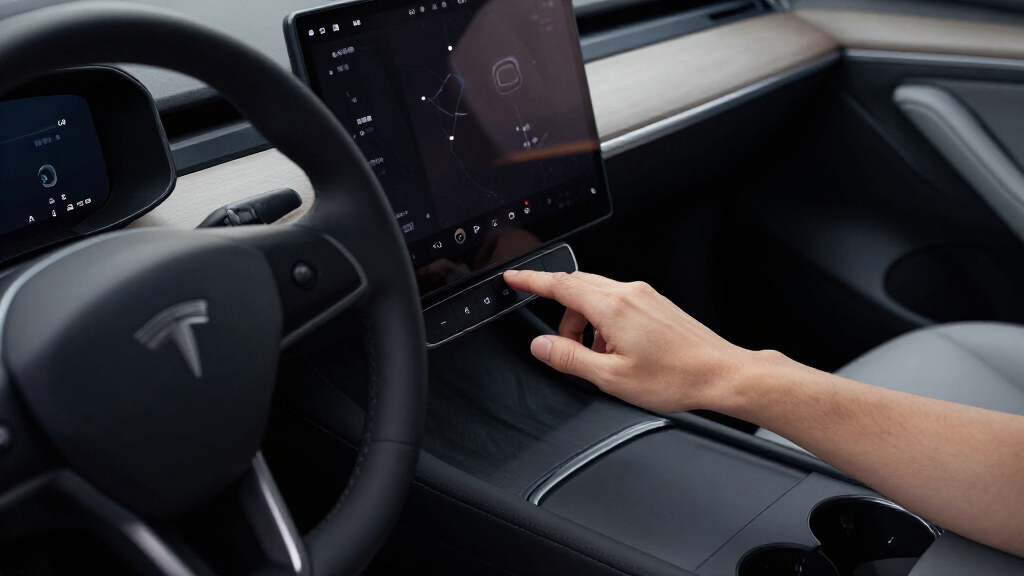
Over the past decade, automakers have increasingly replaced physical buttons with touchscreens and digital interfaces to create sleeker, more modern interiors. This trend is driven by advances in technology, consumer preferences for high-tech features, and cost efficiencies. Many recent models from brands like Tesla, BMW, and Audi feature large touchscreens that control multiple functions traditionally managed by physical buttons. However, this shift has sparked criticism from safety advocates and some industry leaders, who argue that excessive reliance on touch controls can distract drivers and reduce usability. Mercedes has been at the forefront of this trend, integrating large digital displays and reducing physical controls in its newer models. Källenius’s comments reflect a broader industry debate about the balance between innovation and practicality, especially concerning driver safety and ease of operation.“The industry has gone ‘too far’ in removing physical buttons, and this can compromise driver safety and convenience.”
— Ola Källenius, Mercedes CEO
Extent of Industry Reconsideration Still Unclear
It is not yet clear whether Mercedes’s criticism will lead to a broader industry reevaluation of digital interface designs. Automakers may continue to prioritize sleek, touchscreen-heavy interiors, or they might incorporate more physical controls in future models. The specific impact of Källenius’s comments on industry standards remains to be seen, and no formal policy changes have been announced.Potential Industry Responses and Design Adjustments
Automakers may reassess their interior design strategies, possibly reintroducing more physical buttons or hybrid controls to address safety concerns. Industry groups and safety regulators could also weigh in on best practices for vehicle interfaces. Mercedes might lead by example, adjusting upcoming models to balance digital and physical controls. Further statements from industry leaders and regulatory bodies are expected in the coming months as the debate unfolds.Key Questions
Why did Mercedes criticize the industry for removing buttons?
Mercedes CEO Ola Källenius stated that the industry has gone ‘too far’ in eliminating physical buttons, which are important for driver safety and ease of use, especially during driving.
Are physical buttons making a comeback?
It is not yet confirmed, but industry experts suggest that automakers might reconsider their interface designs, potentially reintroducing more physical controls to improve usability and safety.
How does this impact vehicle safety?
Reducing physical controls may increase driver distraction and operational difficulty, potentially raising safety concerns. The debate centers on balancing modern aesthetics with practical safety measures.
Will this criticism affect future Mercedes models?
It is possible that Mercedes and other automakers will adjust their interior designs based on these comments, but specific changes are not yet confirmed.
Source: rss