
TL;DR

Get business pricing on garage and car supplies
- Business-only prices and quantity discounts
- Tax-exempt purchasing
- Multiple users, one account, clear invoices
Tesla has announced a new safety system that deploys airbags before a collision happens, based on camera analysis. This proactive approach aims to reduce injuries and improve vehicle safety. The feature is currently in development and will be rolled out via software updates.
Tesla has confirmed it is developing a new safety feature that will deploy airbags before a crash occurs, using cameras and advanced sensors to detect imminent collisions. This marks a significant shift from traditional reactive airbag deployment, which activates after impact. The feature is expected to enhance occupant safety and reduce injuries in high-risk scenarios.
Tesla announced that its vehicles will soon incorporate a pre-emptive airbag deployment system, enabled by the car’s cameras and sensors. According to Tesla, the system analyzes real-time data to identify potential crash scenarios before impact, triggering airbags to deploy preemptively. This development is part of Tesla’s broader push to improve vehicle safety using artificial intelligence and advanced driver-assistance systems. Tesla has indicated that the feature is currently in testing and will be available through a software update later this year, pending regulatory approval.Officials from Tesla stated that the new system aims to mitigate injuries by deploying airbags at the earliest possible moment when a collision is imminent, rather than after impact. The company emphasizes that this proactive deployment will work in conjunction with existing safety features, such as automatic emergency braking and collision avoidance systems. The technology relies heavily on Tesla’s camera network, which provides a detailed view of the vehicle’s surroundings to predict potential accidents.
Implications for Vehicle Safety Standards and Driver Protection
This new preemptive airbag deployment system could significantly alter vehicle safety protocols and standards. By deploying airbags before a crash, Tesla aims to reduce the severity of injuries, especially in high-speed collisions or side impacts. If successful, this technology may influence other automakers to adopt similar proactive safety measures, potentially leading to widespread improvements in occupant protection across the automotive industry. The development also underscores Tesla’s leadership in integrating artificial intelligence with vehicle safety systems, potentially setting new benchmarks for autonomous safety features.
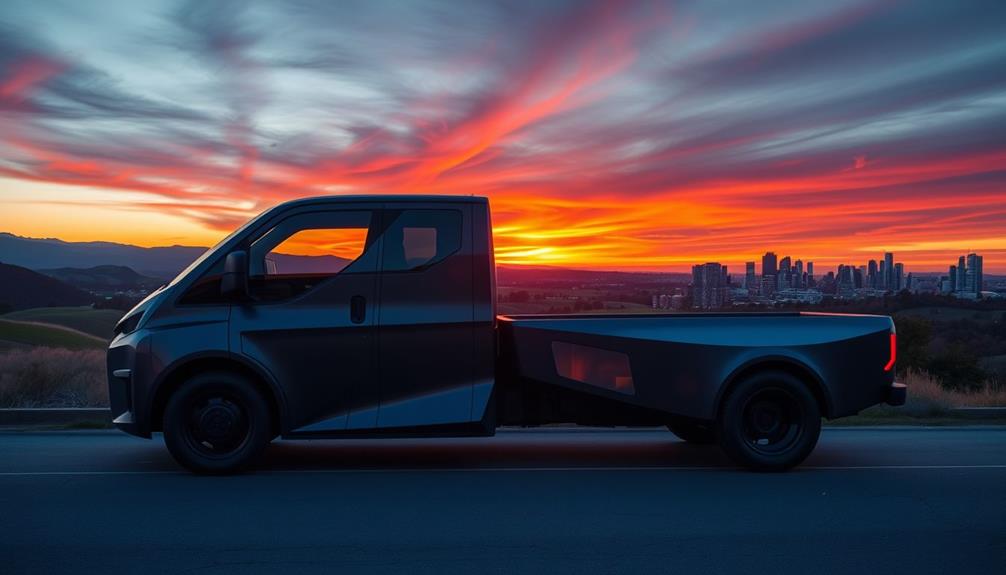
Tesla pre-collision airbag system
As an affiliate, we earn on qualifying purchases.
As an affiliate, we earn on qualifying purchases.
Tesla’s Safety Innovations and Use of Camera Technology
Tesla has been at the forefront of automotive safety innovation, notably with its Autopilot and Full Self-Driving (FSD) systems, which utilize extensive camera arrays and sensors. Historically, Tesla’s airbags deploy reactively after a collision is detected. The new development represents a shift toward predictive safety, leveraging the same camera infrastructure to anticipate crashes. This approach aligns with Tesla’s broader strategy of using AI to enhance vehicle safety and driver assistance. The company has previously announced improvements to its sensor suite, but deploying airbags before impact is a novel step that builds on existing capabilities.
“Our new pre-emptive airbag system uses real-time camera data to assess imminent collision risks, enabling airbags to deploy before impact to better protect occupants.”
— Tesla spokesperson
Uncertainties Surrounding Regulatory Approval and Reliability
It is not yet clear when the pre-emptive airbag system will receive regulatory approval for widespread deployment. Tesla has indicated it is in testing, but details about the testing process, safety validation, and potential limitations are still emerging. There are also questions about the system’s accuracy in predicting crashes and avoiding false deployments, which are critical for safety and consumer acceptance.
Upcoming Testing Phases and Expected Software Rollout
Tesla plans to conduct extensive testing of the pre-emptive deployment system over the coming months. The company intends to release the feature via a software update later this year, pending regulatory clearance. Further details about the scope of testing, potential markets, and how the system integrates with existing safety features are expected to be announced as development progresses. Regulators and safety organizations will closely monitor the deployment for safety and efficacy.
Key Questions
How does Tesla’s pre-emptive airbag system work?
The system uses cameras and sensors to analyze real-time data and predict imminent collisions. If a crash is deemed likely, airbags deploy before impact to protect occupants better.
When will this feature be available in Tesla vehicles?
Tesla plans to roll out the pre-emptive airbag system through a software update later this year, once testing and regulatory approvals are complete.
Are pre-emptive airbags safe?
While the technology aims to reduce injuries, it is still in testing. Safety and reliability will depend on rigorous validation and regulatory approval.
Could false deployments occur with this system?
Potential false deployments are a concern, and Tesla is working to minimize these through advanced AI algorithms. The system’s accuracy remains under evaluation.
Will other automakers adopt similar technology?
If Tesla’s pre-emptive deployment proves successful, it could influence industry standards and encourage other manufacturers to develop similar safety features.
Source: rss
Halloween Picks
halloween
As an affiliate, we earn on qualifying purchases.