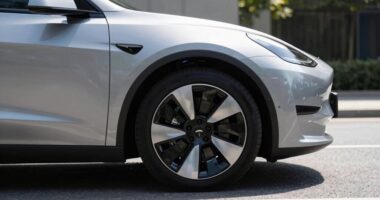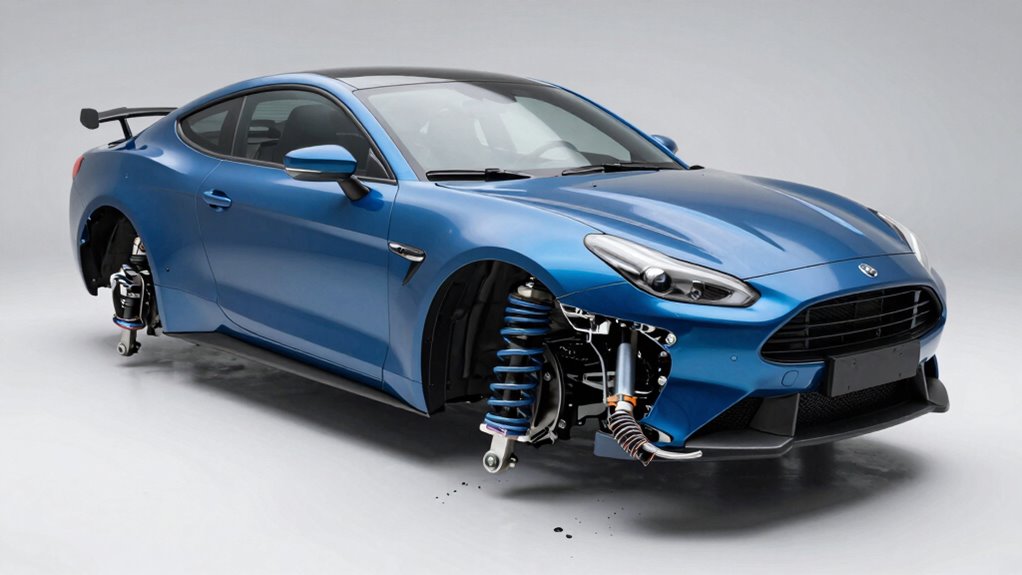

You risk losing control if you ignore the impact of extra weight from batteries when tuning your electric vehicle’s suspension. Overly stiff setups cause harsh rides and uneven tire wear, while too soft ones lead to sagging and poor handling. Neglecting regenerative braking dynamics can shift loads unexpectedly, compromising stability. Proper geometry and balanced stiffness are essential for safety and comfort. Keep these mistakes in mind, and you’ll discover vital tips to optimize your EV’s performance.

Get garage and car supplies delivered free — and shop member deals
- Fast, free delivery on millions of items
- Access to Prime Big Deal Days deals on October 6–7
- Prime Video, Amazon Music and more included
Key Takeaways
- Ignoring the increased weight and altered center of gravity from heavy batteries leads to poor handling and uneven tire wear.
- Failing to adjust suspension for regenerative braking causes instability due to dynamic load shifts.
- Using overly stiff or soft suspensions diminishes ride comfort, handling, and vehicle control.
- Neglecting suspension geometry and dynamic forces results in unbalanced handling and reduced safety.
- Inadequate suspension calibration hampers responsiveness, stability, and overall vehicle performance under heavy EV loads.
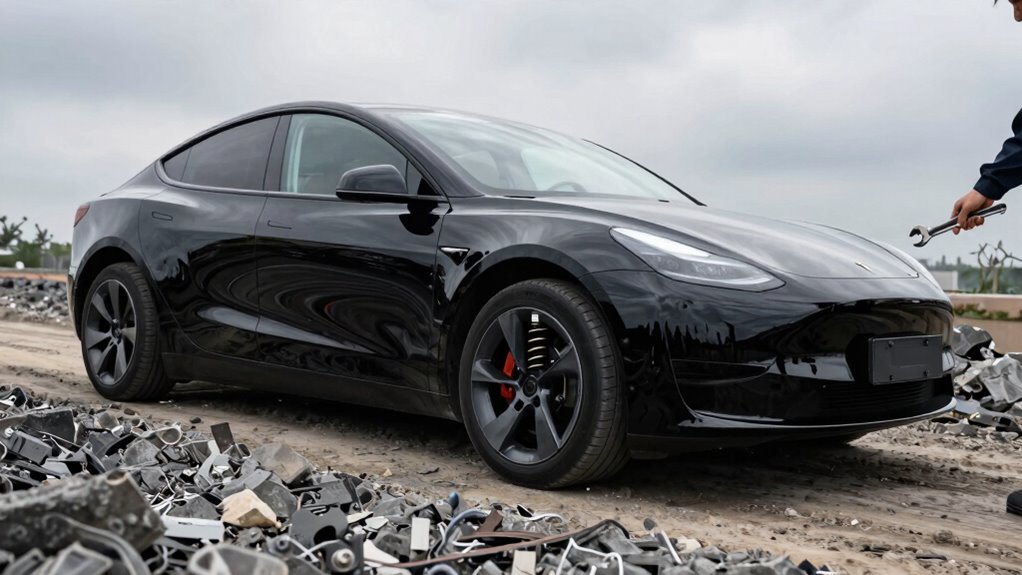
Are you aware of the common suspension tuning mistakes that can compromise the performance of heavy electrified cars? If not, you might be overlooking critical factors that directly impact how well your vehicle handles, rides, and conserves energy. Heavy electrified cars are unique in their demands; their substantial battery weight and advanced features like regenerative braking significantly influence suspension tuning. When these elements aren’t properly addressed, your car can become unbalanced, uncomfortable, or inefficient, especially during aggressive driving or sudden maneuvers.
One major mistake is ignoring the added weight of the battery. Unlike traditional vehicles, electric cars carry hefty batteries that shift the vehicle’s center of gravity lower and alter weight distribution. If your suspension isn’t tuned to accommodate this extra mass, you risk excessive body roll, uneven tire wear, and compromised stability. Overly stiff suspension might seem appealing for sporty handling, but it can make the ride harsh and uncomfortable, especially because the battery adds a substantial load that the suspension must absorb. Conversely, too soft a setup may lead to excessive sagging, reducing control and increasing the risk of bottoming out over bumps or potholes.
Ignoring battery weight can cause stability issues, tire wear, and uncomfortable rides in heavy electrified cars.
Another common pitfall involves neglecting the nuances of regenerative braking. This feature converts kinetic energy into electrical energy to recharge the battery, but it also affects how the vehicle decelerates and how weight shifts during braking. If your suspension isn’t tuned to handle the dynamic load shifts caused by regenerative braking, you could experience uneven braking performance or instability. For instance, excessive front-end dive or rear squat during deceleration can compromise control, especially on uneven surfaces or during emergency stops. Proper tuning should account for these forces, ensuring that the suspension maintains optimal contact with the road, providing both safety and comfort. Additionally, understanding the dynamic forces at play can help you avoid common handling issues associated with electric vehicle suspension setups. Paying attention to suspension geometry is crucial, as it influences how well the vehicle responds to the shifting loads during regenerative braking and acceleration.
Failing to consider these factors can lead to a suspension setup that’s either too rigid or too soft, both of which diminish the vehicle’s handling capabilities. Heavy electrified cars demand a delicate balance: enough stiffness to handle the added weight and dynamic forces, but enough compliance to absorb road imperfections and maintain a smooth ride. Ignoring these key aspects often results in a setup that hampers performance rather than enhances it. To optimize your vehicle’s handling, you need to tune the suspension with the battery weight and regenerative braking effects in mind, considering the vehicle’s overall dynamics to ensure your heavy electrified car performs at its best in all driving conditions. Proper suspension tuning for electric vehicles is essential for maximizing safety, comfort, and efficiency. Additionally, proper calibration can greatly improve the vehicle’s responsiveness and stability under various driving conditions.
electric vehicle suspension tuning kit
As an affiliate, we earn on qualifying purchases.
As an affiliate, we earn on qualifying purchases.
Frequently Asked Questions
How Does Battery Weight Affect Suspension Tuning?
Battery weight considerably impacts suspension tuning because it shifts weight distribution, especially depending on battery placement. If the battery is placed low and centrally, it helps maintain stability and improves handling. However, a heavier battery at the rear or front can cause imbalance, leading to increased suspension wear and compromised performance. To optimize ride quality, you need to carefully consider battery placement and adjust suspension settings accordingly, ensuring balanced weight distribution.
Are Electric Cars More Prone to Suspension Wear?
Electric cars are more prone to suspension wear because their heavier batteries put extra strain on suspension components, like a weight on a tightrope. This impacts suspension aesthetics and ride comfort, causing quicker deterioration. You might notice a bumpier ride or uneven tire wear sooner than in traditional vehicles. To keep your electric car performing smoothly, regular inspections and proper tuning are essential to combat this accelerated wear.
What Are Signs of Suspension Damage in Electrified Vehicles?
You’ll notice suspension damage in your electric vehicle through unusual suspension noise, like clunking or squeaking, and alignment issues that cause your car to drift or pull to one side. These signs indicate components might be worn or damaged. Pay attention to any vibrations or uneven tire wear as well. Addressing these early prevents further damage, ensuring your EV stays smooth, safe, and efficient on the road.
Can Modified Suspensions Improve Electric Car Range?
Yes, modified suspensions can improve your electric car’s range. By incorporating aerodynamic enhancements, you reduce drag, helping you go farther on a single charge. Additionally, adjusting tire pressure strategies optimizes rolling resistance, further boosting efficiency. Proper suspension tuning guarantees a smoother ride, minimizes energy loss, and enhances overall performance. Combining these modifications allows you to maximize your electric vehicle’s range while maintaining comfort and safety.
How Do Regenerative Braking Systems Interact With Suspension?
Regenerative braking impacts suspension dynamics by transferring energy back into the battery, which can cause slight shifts in vehicle weight distribution. This affects how your suspension responds during braking and acceleration, potentially leading to a less smooth ride if not properly tuned. To optimize regenerative impact, you should adjust your suspension settings to accommodate these weight shifts, ensuring better stability and comfort while maintaining efficient energy recovery.
Conclusion
To truly enjoy your electrified car, avoid common suspension tuning mistakes that can compromise performance and comfort. Focus on balancing weight distribution and upgrading components designed for the added heft. Remember, a well-tuned suspension not only enhances handling but also extends your vehicle’s lifespan. By understanding these key points, you’ll experience smoother rides and better efficiency—proving that proper tuning makes all the difference in maximizing your heavy electric vehicle’s potential.
Halloween Picks
halloween
As an affiliate, we earn on qualifying purchases.